Perennial Flowers
This page is the hub for everything else on the site: what perennials are, how to pick the right ones, and links into every growing guide and flower profile we've written.
What Makes a Flower a Perennial
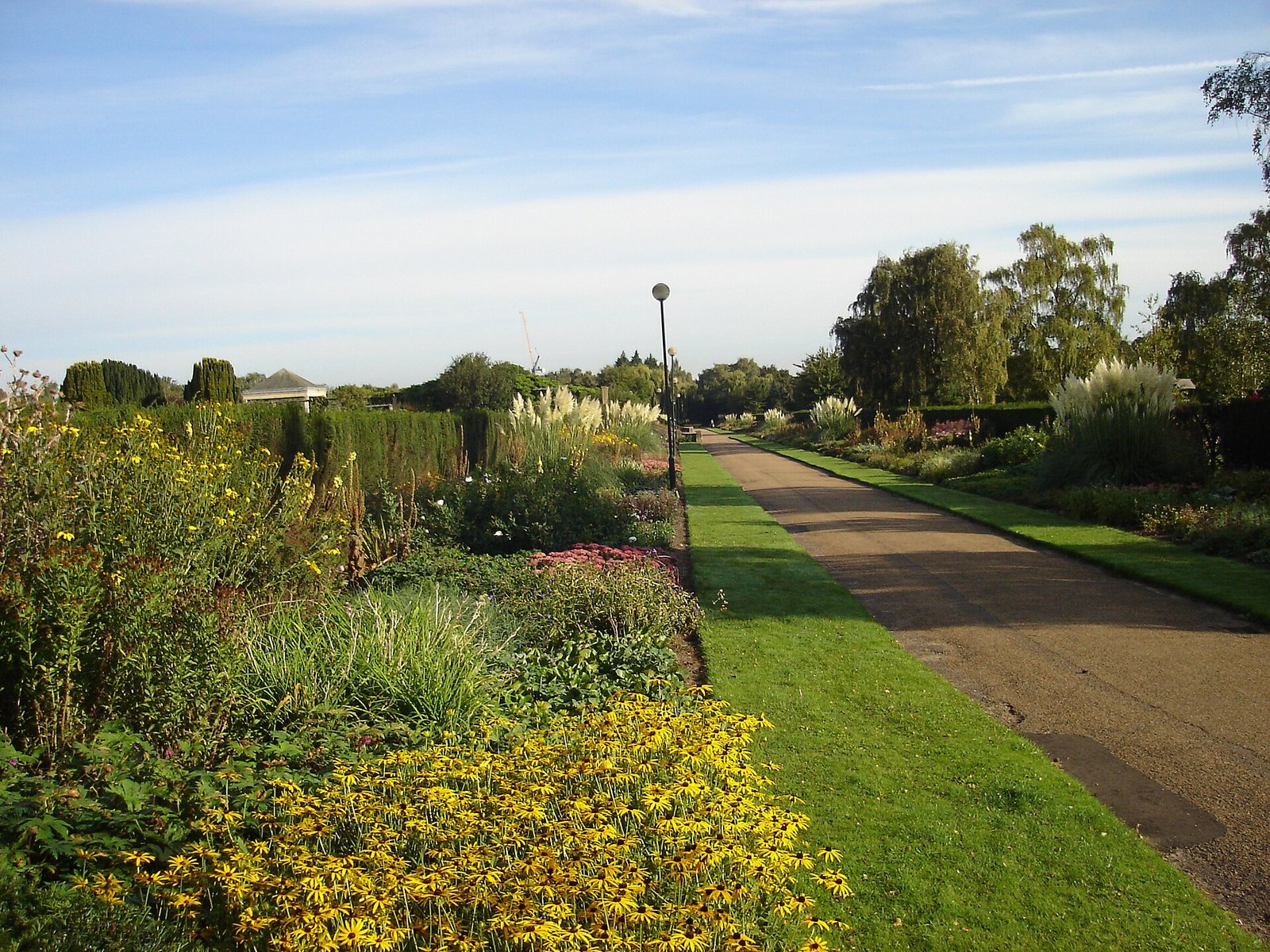
Botanically, a perennial is any plant that lives for more than two years. In everyday garden use, "perennial flower" usually means a herbaceous flowering perennial — one whose stems die back to ground level in winter and regrow from the crown or root system each spring, as opposed to a woody perennial like a shrub or tree, which keeps a permanent framework of stems above ground.
Some perennials are evergreen or semi-evergreen in mild climates — coral bells and many sedums will hold foliage through a light winter — but the defining trait is the root system's ability to survive dormancy and regenerate, not whether the leaves stay green.
It's worth knowing that "perennial" is climate-dependent, not absolute. Lavender is a reliable perennial in zone 6 but often behaves as an annual, or dies outright, in zone 3 without serious winter protection. Conversely, plants sold as annuals in cold climates — like certain salvias — are true perennials in frost-free zones. When a catalog or plant tag says "perennial," check the hardiness zone range before assuming it applies to your garden.
Perennials vs. Annuals vs. Biennials
Perennials
- Live 3+ years; regrow from the same root system each spring
- Higher upfront cost per plant, lower cost over time
- Typically bloom for weeks, not months, per season
- Take one to three years to reach full size ("sleep, creep, leap")
Annuals & Biennials
- Annuals finish their life cycle and die in one season; must be replanted
- Biennials (foxglove, hollyhock) grow leaves year one, flower and die year two
- Annuals often bloom continuously all season, which most perennials don't
- Cheaper per plant but an ongoing yearly cost
A well-designed garden usually mixes the two: perennials as the permanent structure, annuals filling gaps or providing nonstop color where you want it. Neither approach is objectively better — it depends on how much yearly replanting you're willing to do.
How to Choose Perennial Flowers for Your Garden
Work through these in order — later decisions depend on earlier ones:
- Hardiness zone. Find your USDA zone and rule out anything not rated hardy there. See our guide to perennials by zone.
- Sunlight. Watch the actual planting spot for a full day. "Part shade" and "full sun" are frequently misjudged, especially near trees that leaf out later in spring. See our guides to full sun and shade perennials.
- Soil and drainage. Most perennials tolerate average soil but rot in standing water. If a spot stays soggy after rain, either fix the drainage or pick moisture-loving plants like astilbe rather than fighting the site.
- Mature size. Check height and spread, not just what the plant looks like in a 1-quart pot. Overcrowding leads to disease and constant dividing.
- Bloom time. Stagger spring, summer and fall bloomers so the bed doesn't go flat for six weeks in midsummer.
- Maintenance appetite. Be honest about how much deadheading, staking and dividing you'll actually do. See our low-maintenance picks if the answer is "not much."
Explore by Growing Condition
Full Sun
Plants that need 6+ hours of direct sun.
Shade
Perennials that hold up under trees or on a north wall.
Drought Tolerant
Survive dry spells once established.
Low Maintenance
Minimal deadheading, staking or dividing.
For Pots & Containers
Perennials that genuinely do well in a container.
For Beginners
Nearly unkillable choices for a first garden.
Explore by Bloom Season
Spring
The first flowers after winter dormancy.
Summer
Peak bloom season for most perennials.
Bloom All Summer
The rare perennials that flower for months, not weeks.
Fall
Extend color into September and October.
Explore by Pollinator Value
For Bees
Reliable nectar and pollen sources.
For Butterflies
Nectar plants and host-plant notes.
Best Overall Picks
Our shortlist of the most reliable perennials.
Individual Flower Guides
In-depth growing profiles for ten perennials that between them cover full sun, shade, drought tolerance, and every major bloom season.
Lavender
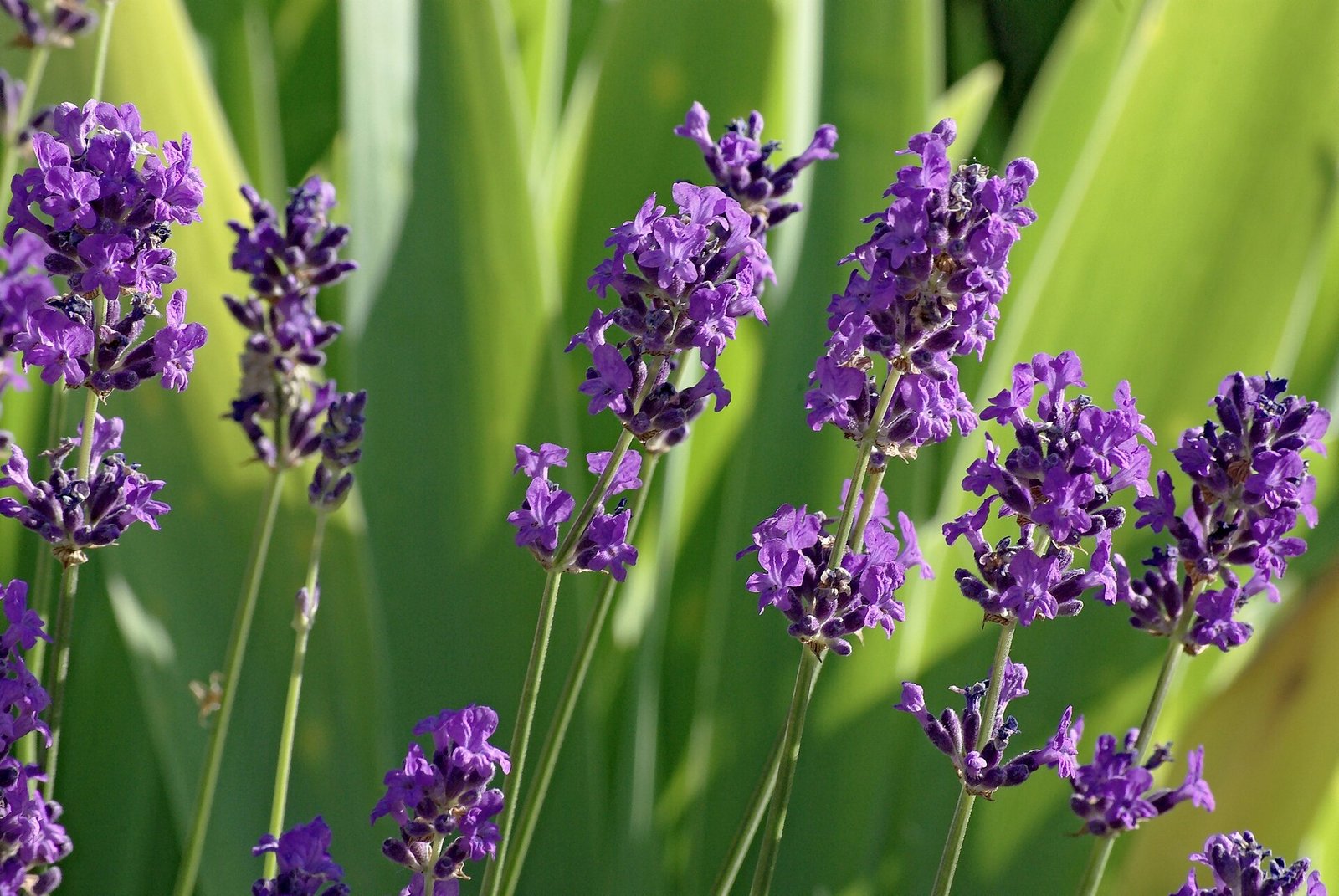
Full sun, drought tolerant, summer bloom.
Purple Coneflower
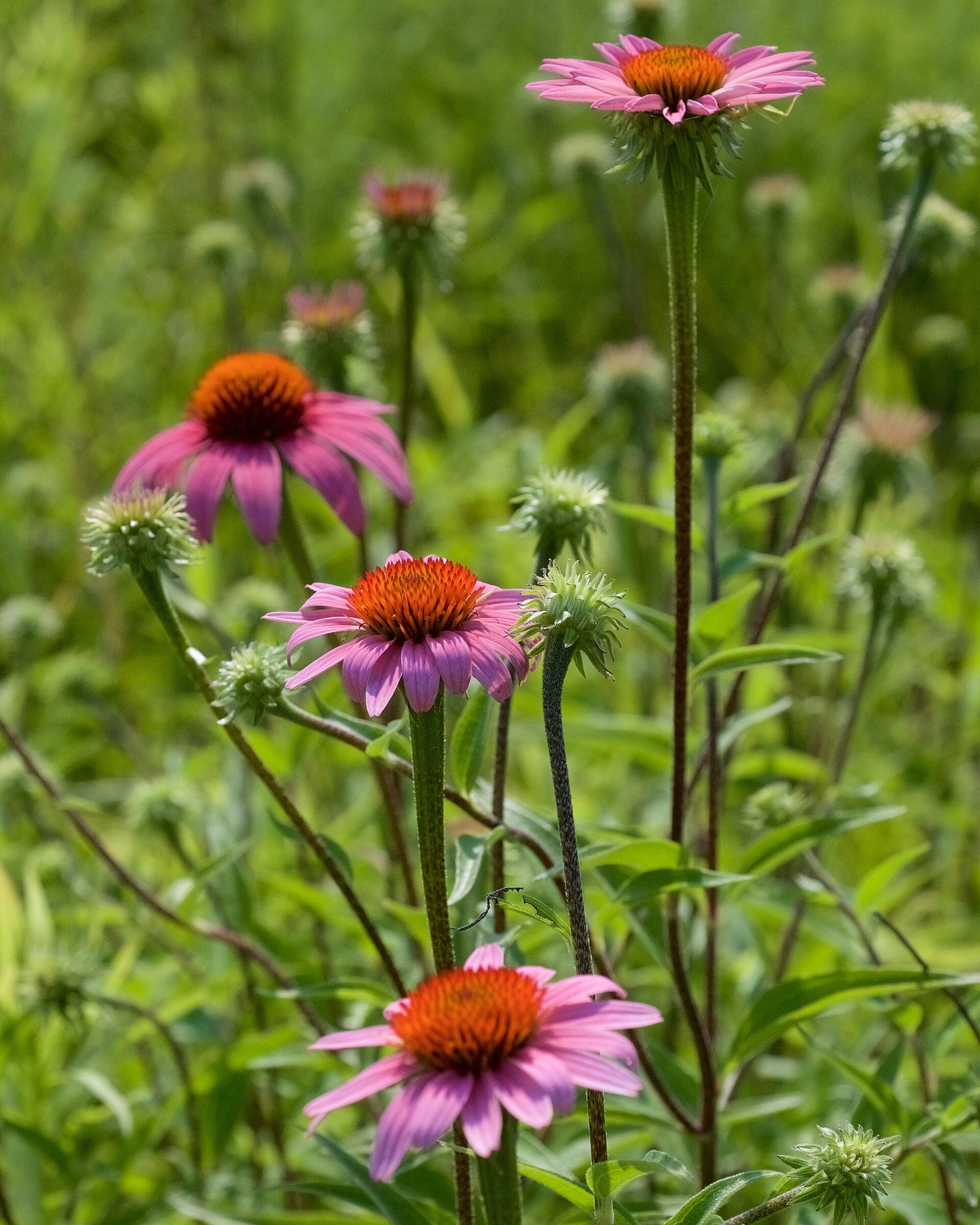
Full sun, pollinator favorite, summer–fall bloom.
Peony
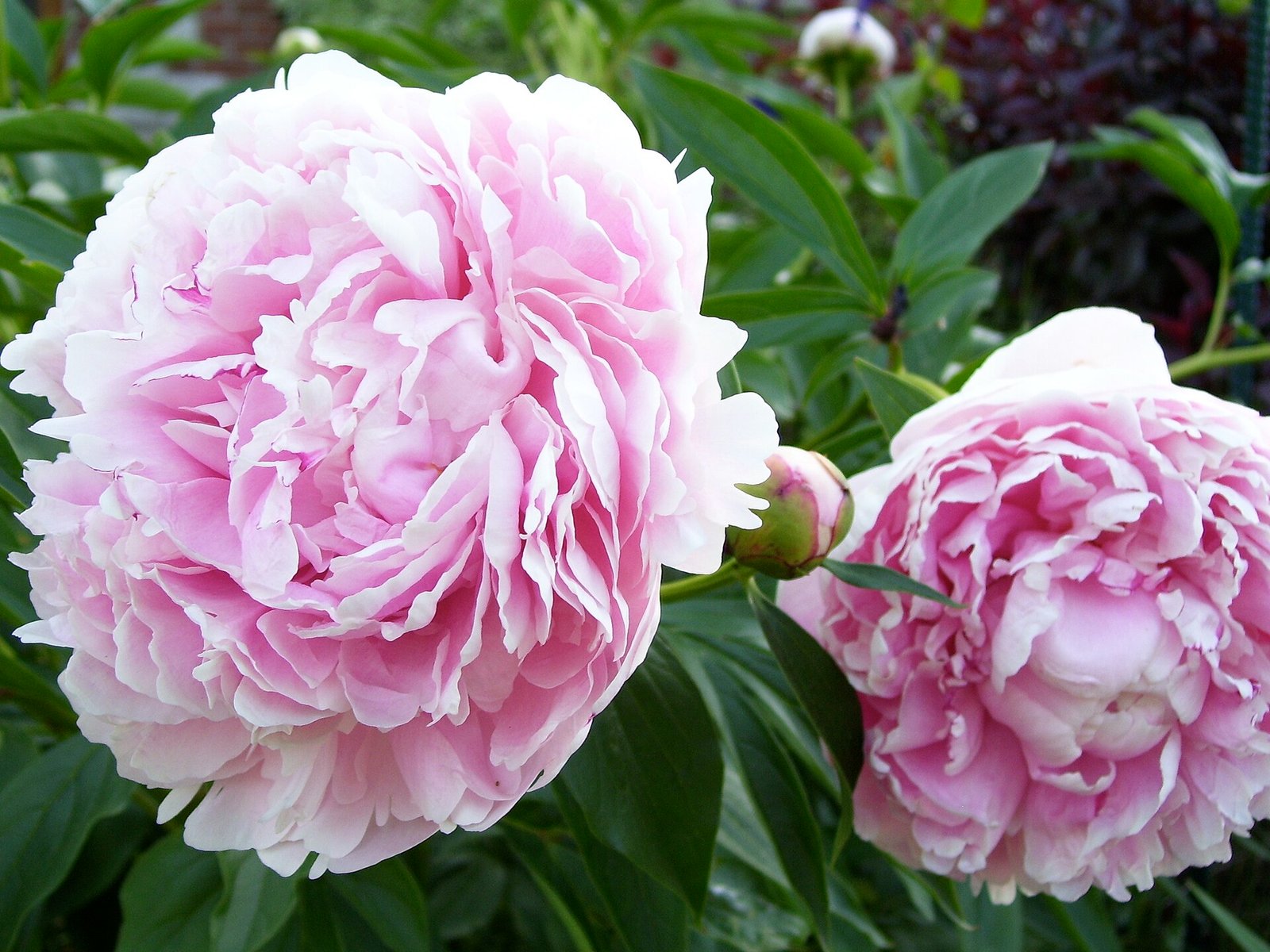
Full sun, long-lived, spring bloom.
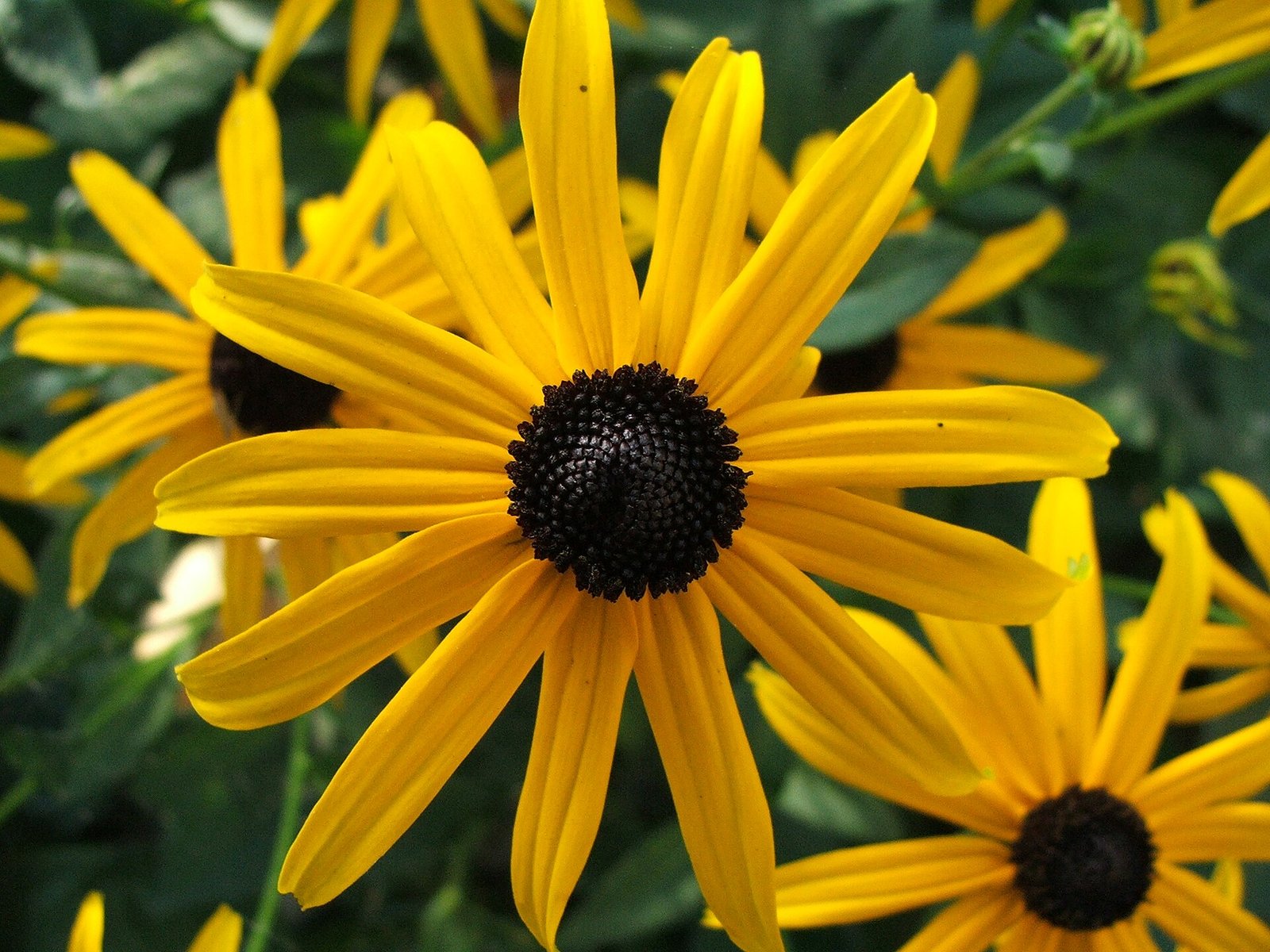
Black-Eyed Susan
Full sun, easygoing, summer–fall bloom.
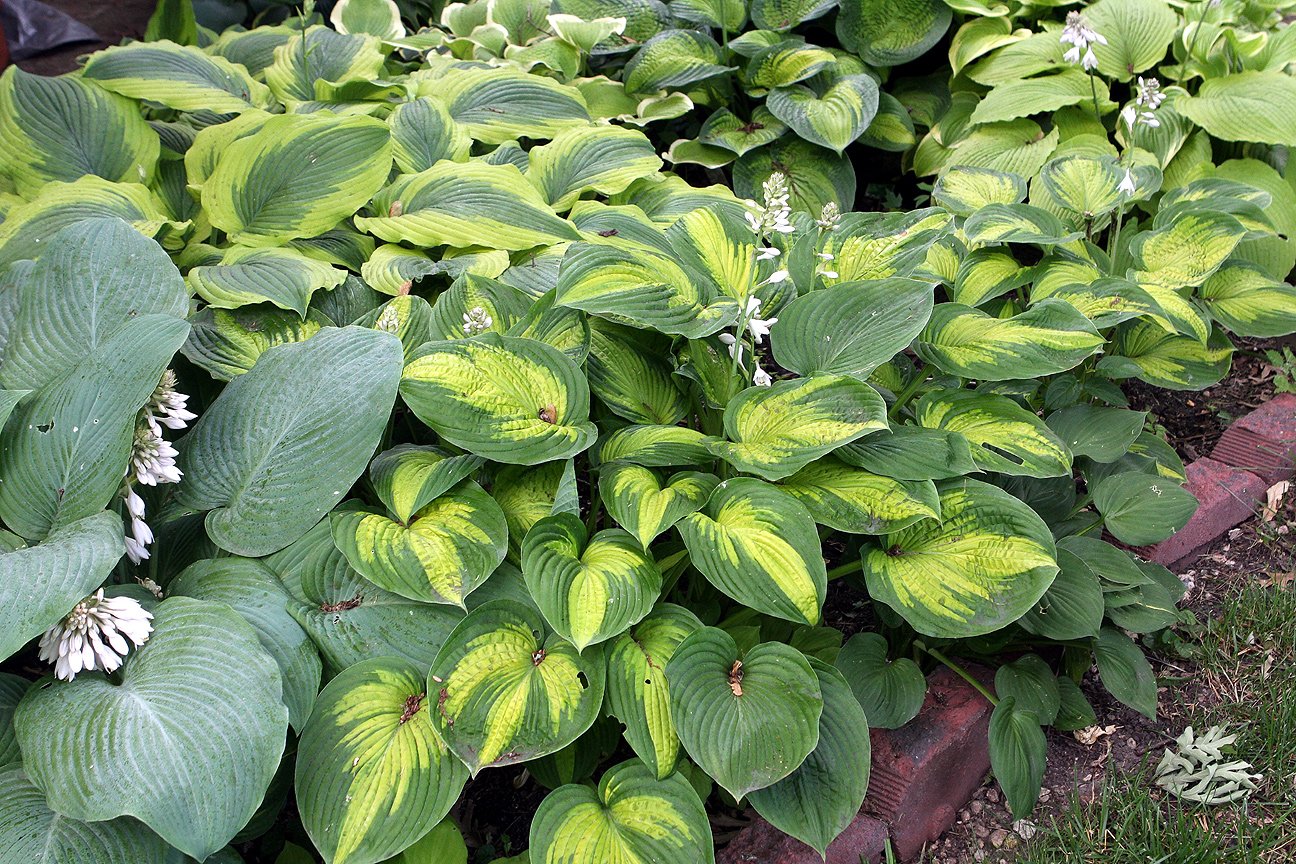
Hosta
Shade, grown for foliage, summer bloom.
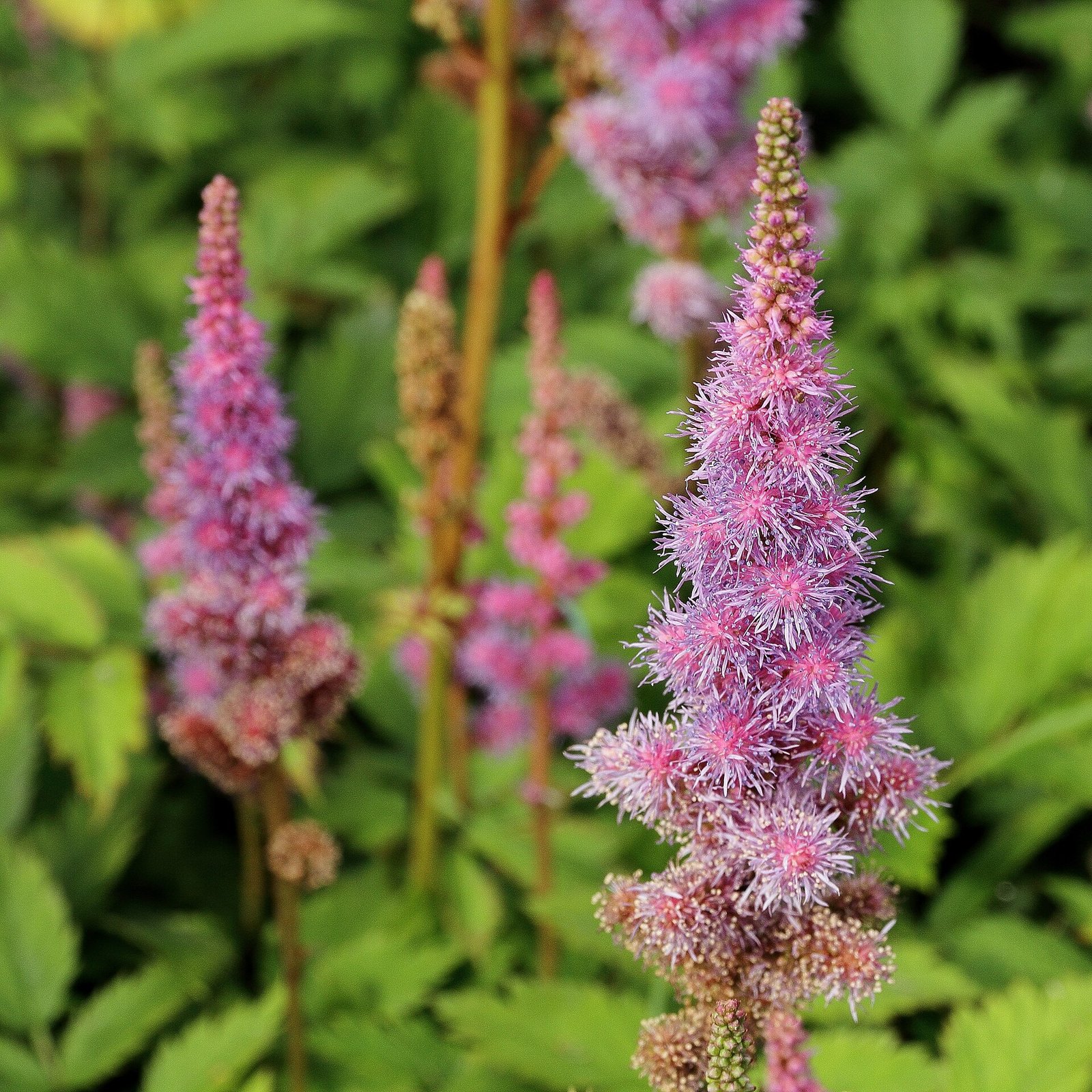
Astilbe
Part shade, moist soil, summer bloom.
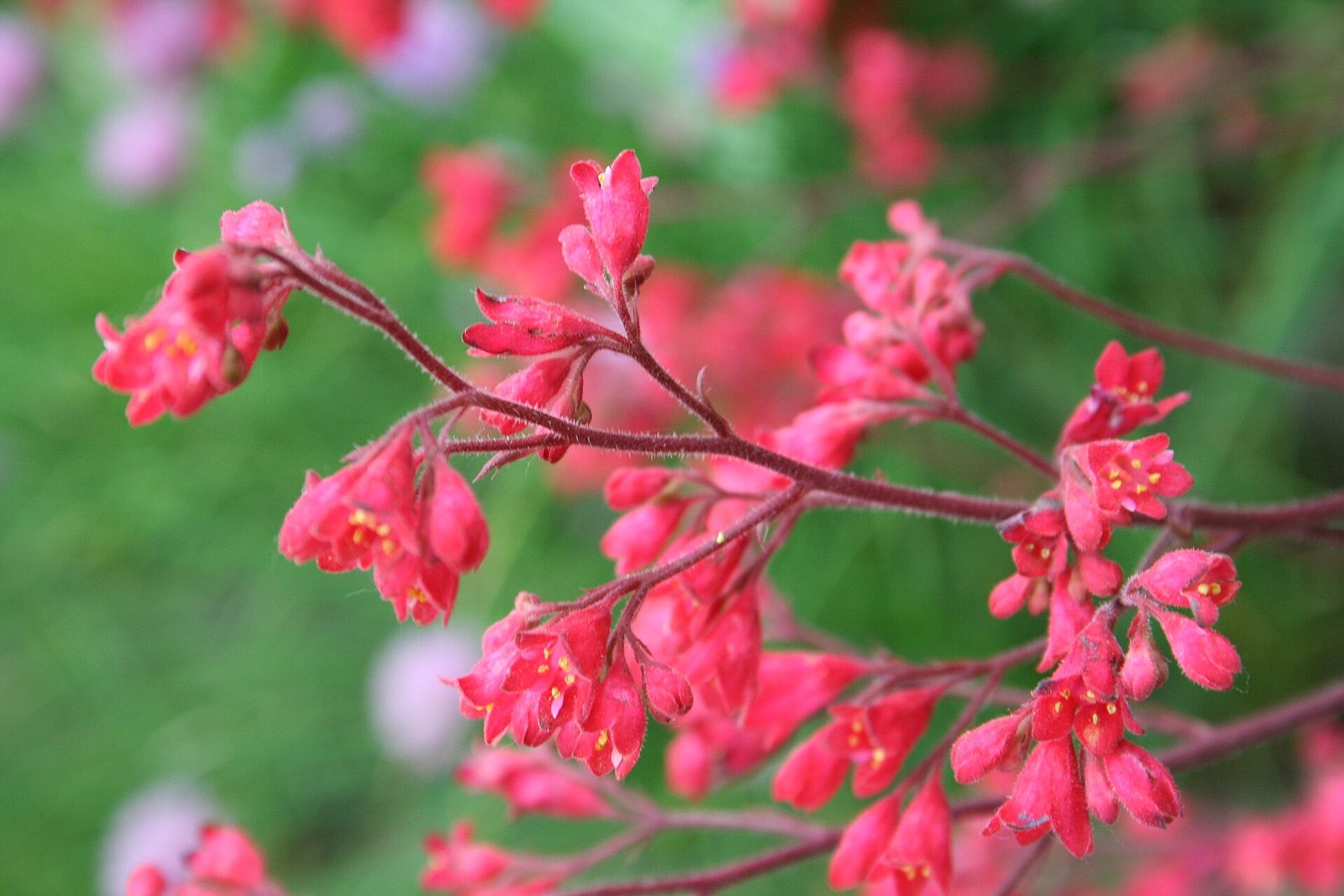
Coral Bells
Part shade, colorful foliage, spring–summer bloom.
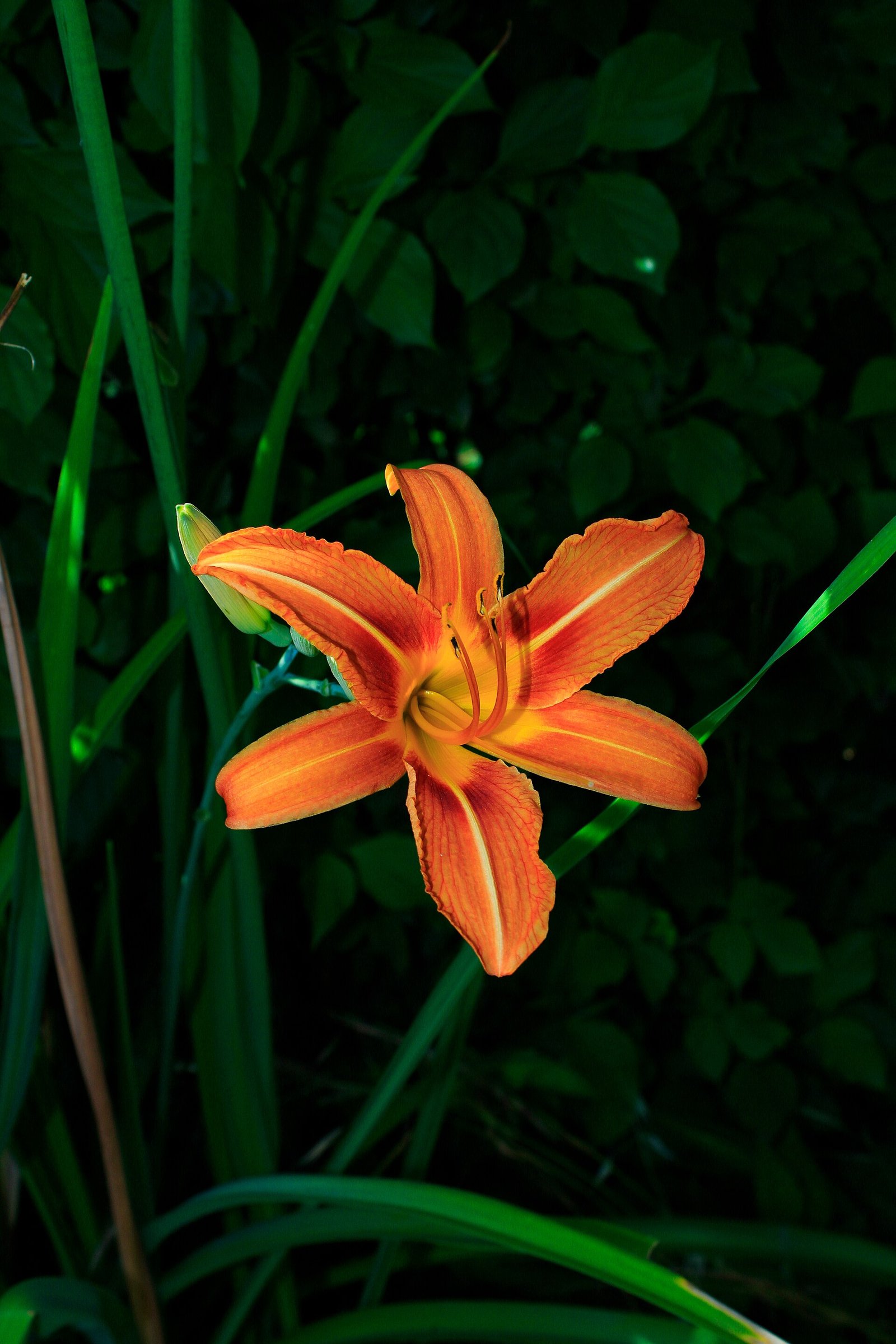
Daylily
Full sun, nearly indestructible, summer bloom.
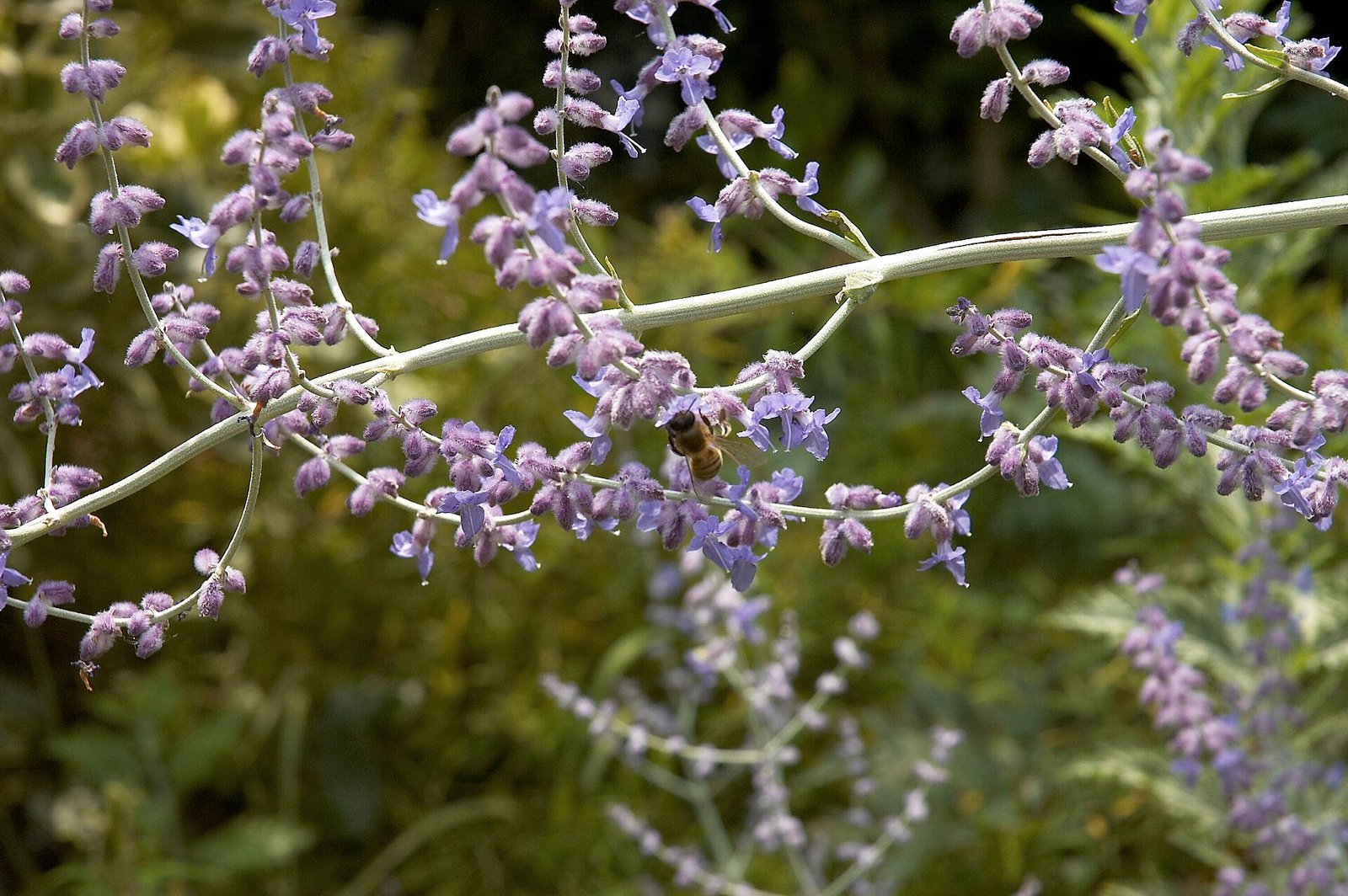
Russian Sage
Full sun, drought tolerant, summer–fall bloom.
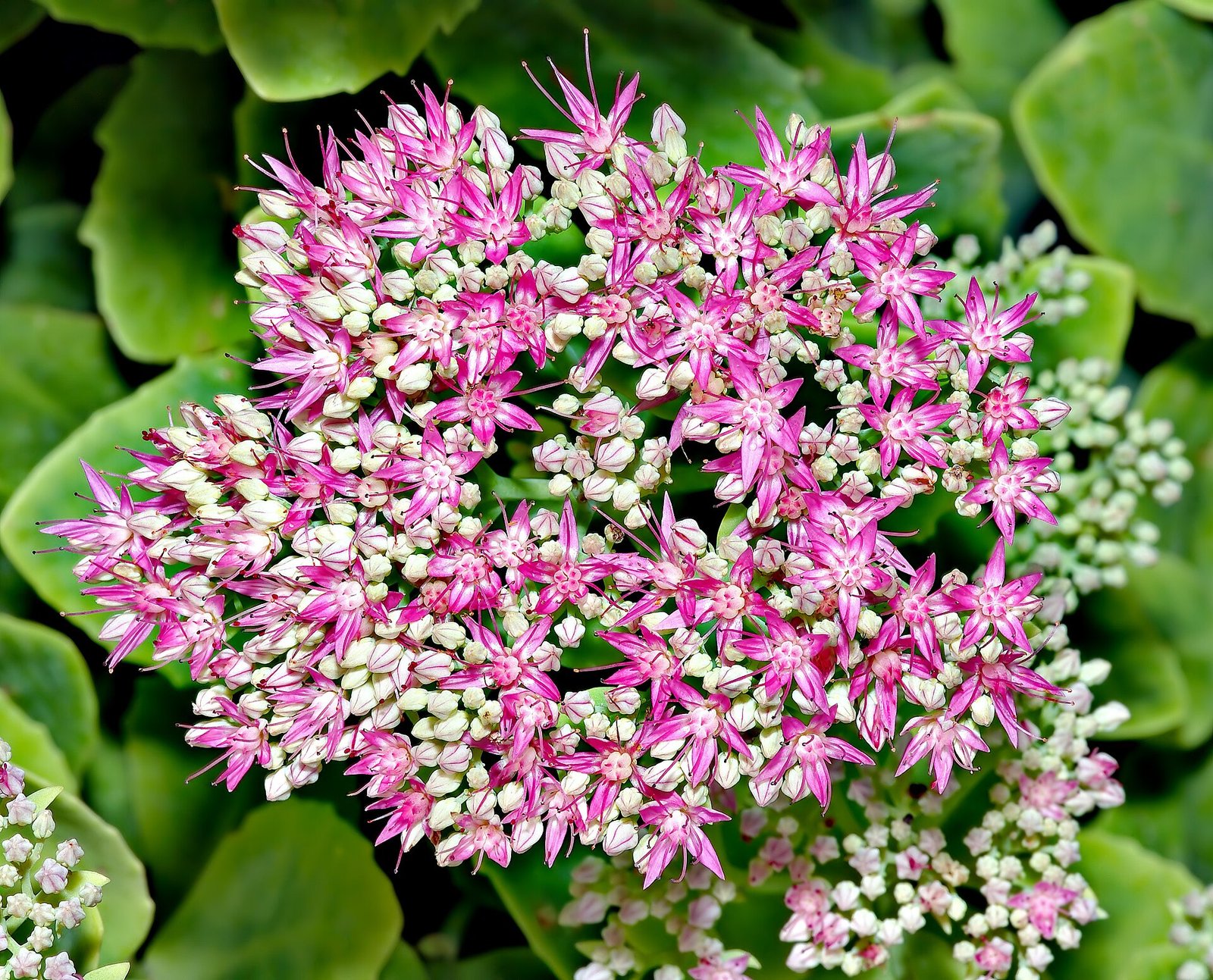
Sedum (Stonecrop)
Full sun, drought tolerant, fall bloom.
A Note on Care Across All Perennials
Watering, feeding and dividing needs vary a lot by species, but a few things hold true across nearly all perennial flowers. New plantings need regular water for their first full growing season while roots establish, even if the mature plant will later be drought tolerant. Most perennials benefit from being cut back in late fall or left standing for winter interest and cut back in early spring — either works, though leaving seed heads up over winter feeds birds and shelters overwintering insects. And most clump-forming perennials benefit from division every three to five years, both to control size and to keep the center of the clump from dying out.