Russian Sage
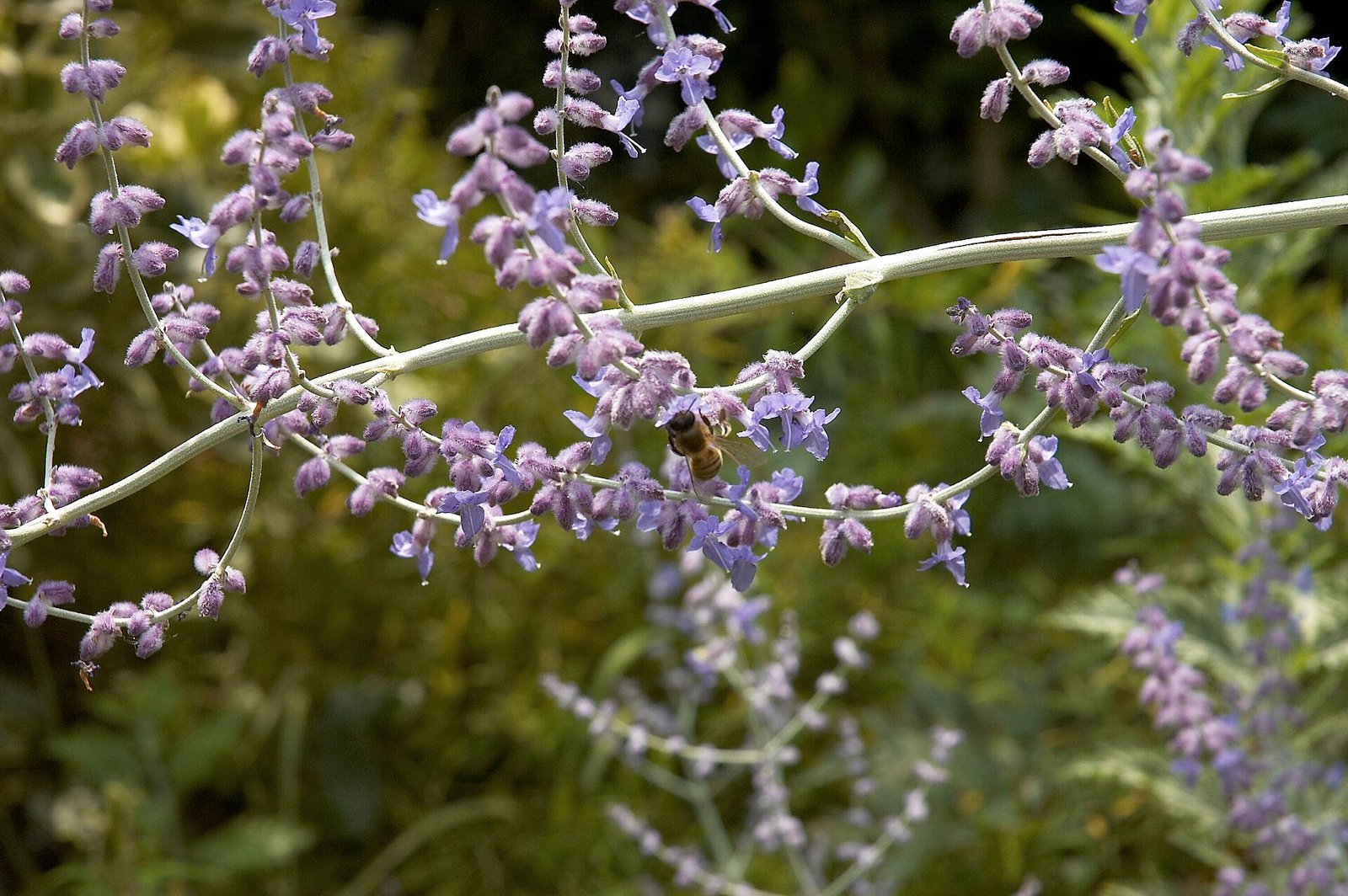
Perovskia atriplicifolia (now often classified as Salvia yangii) produces a haze of small lavender-blue flowers on tall, silvery, aromatic stems from midsummer into fall. It reads as delicate but is genuinely one of the toughest perennials for a hot, dry, exposed site.
| Scientific name | Perovskia atriplicifolia (syn. Salvia yangii) |
|---|---|
| USDA hardiness zones | 4–9 |
| Height | 3–4 ft |
| Width | 2–3 ft |
| Bloom period | Midsummer through fall |
| Flower color | Lavender-blue |
| Sun requirements | Full sun |
| Soil requirements | Lean, well-drained; tolerates poor, dry, rocky soil |
| Water requirements | Low; excellent drought tolerance once established |
| Maintenance level | Low |
Planting Russian Sage
Plant in spring in full sun with sharply drained soil. Like lavender, it performs worse in rich, heavily amended soil than in lean, average ground — resist the urge to plant it in your best garden soil. Space plants 2 to 3 feet apart to allow for its mature width and to keep good air circulation between plants.
Watering
Water regularly through the first season. Once established, it's one of the most drought-tolerant perennials on this site and typically needs no supplemental water beyond natural rainfall except in severe, extended drought.
Fertilizing
Little to none needed. Fertilizing tends to produce weak, floppy stems rather than improving bloom.
Pruning
Cut back hard in early spring, to about 6 to 12 inches from the ground, once you see new growth emerging at the base — cutting too early in fall or winter, before you can see where new growth will come from, risks removing wood that would have resprouted. This species behaves somewhat like a woody subshrub rather than a purely herbaceous perennial, and its stems can look dead and gray through winter even though the base is alive.
Propagation
Softwood cuttings in late spring root reasonably well. It's less commonly divided than clump-forming perennials, since its root structure is more shrub-like; division isn't the standard propagation method for this plant.
Common Pests and Diseases
Very few pest or disease problems, and it's notably resistant to deer and rabbit browsing thanks to its aromatic foliage. The main risk is root rot from soil that stays too wet, especially over winter — good drainage prevents nearly all serious problems with this plant.
Winter Care
Fully hardy within its zone range. Leave the previous season's stems standing over winter for structure and to protect the crown, then cut back in spring once new growth appears.
Companion Plants
A natural match for other sun-loving, drought-tolerant perennials — lavender and sedum share its need for lean, well-drained soil, and coneflower and black-eyed Susan bloom on a complementary summer-into-fall schedule with contrasting flower color.
Garden Uses and Benefits
Its airy, see-through structure makes it useful toward the back or middle of a border without blocking the view of plants behind it. A dependable choice for drought-tolerant gardens and a strong draw for bees and butterflies — see our guides to perennial flowers for bees and perennial flowers for butterflies.
Potential Problems
- Root rot in poorly drained or overly wet soil
- Floppy growth in too much shade or overly rich soil
- Can look untidy over winter if cut back too early or left uncut too long into spring
- Some older cultivars can self-seed more than expected in ideal conditions
Frequently Asked Questions
When should I cut back Russian sage?
In early spring, once you can see new growth emerging near the base of the plant — cut back to just above that new growth, generally 6 to 12 inches from the ground. Cutting in fall removes winter structure and risks cutting into wood you'll need as a guide come spring.
Is Russian sage actually a sage?
Not exactly — it's in the mint family (Lamiaceae) like true sages (Salvia), and recent taxonomy has actually reclassified it into the Salvia genus as Salvia yangii, though "Russian sage" and the older name Perovskia atriplicifolia are still what you'll most often see on plant tags.