Perennial Flowers for Bees
Most gardeners picturing "bees" picture honeybees, but native bees — bumblebees, mason bees, sweat bees, and hundreds of other species — do the bulk of pollination in a typical yard. A bee-friendly perennial bed should work for both.
Reliable Bee-Forage Perennials
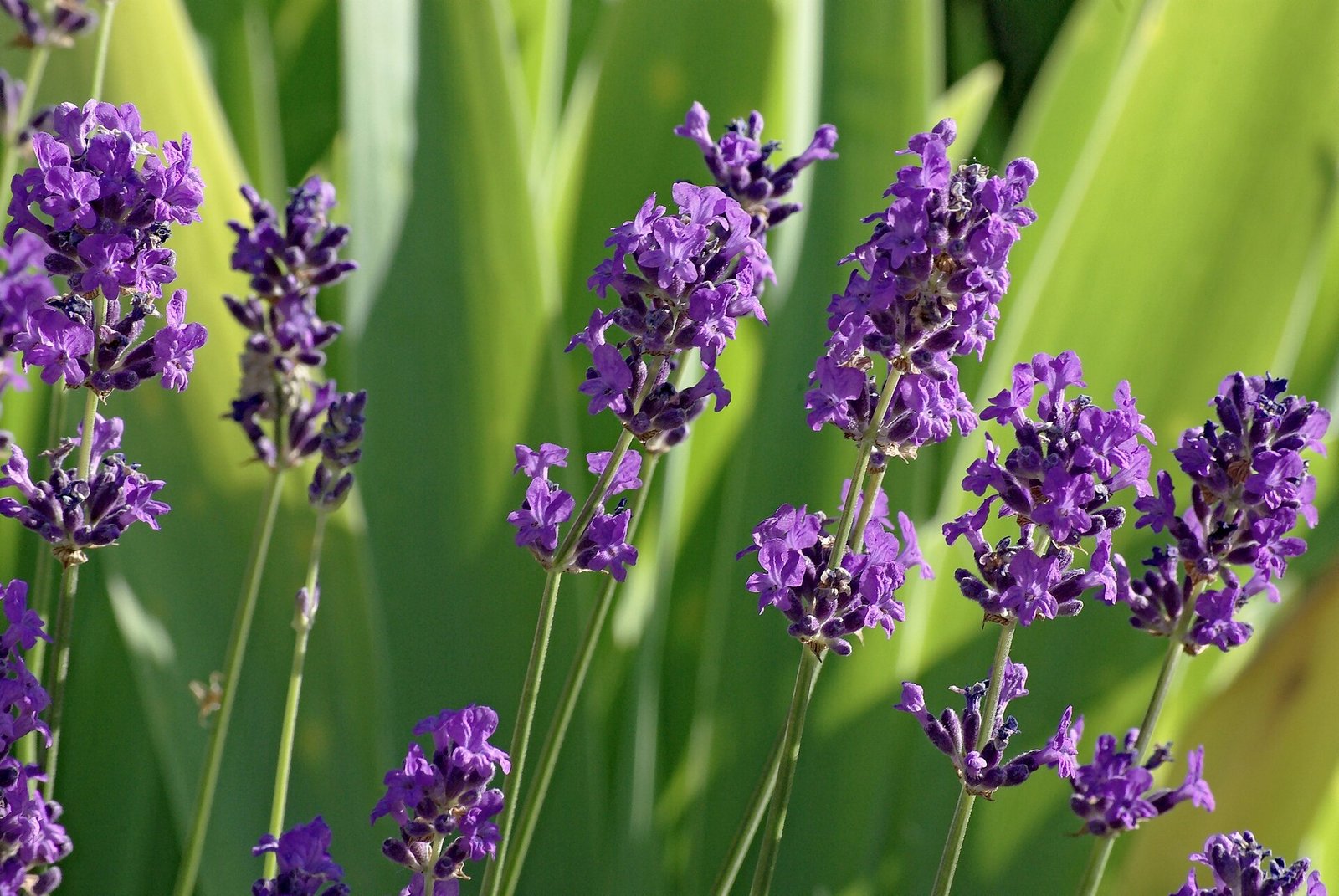
Lavender
One of the most consistently bee-visited perennials in any garden.
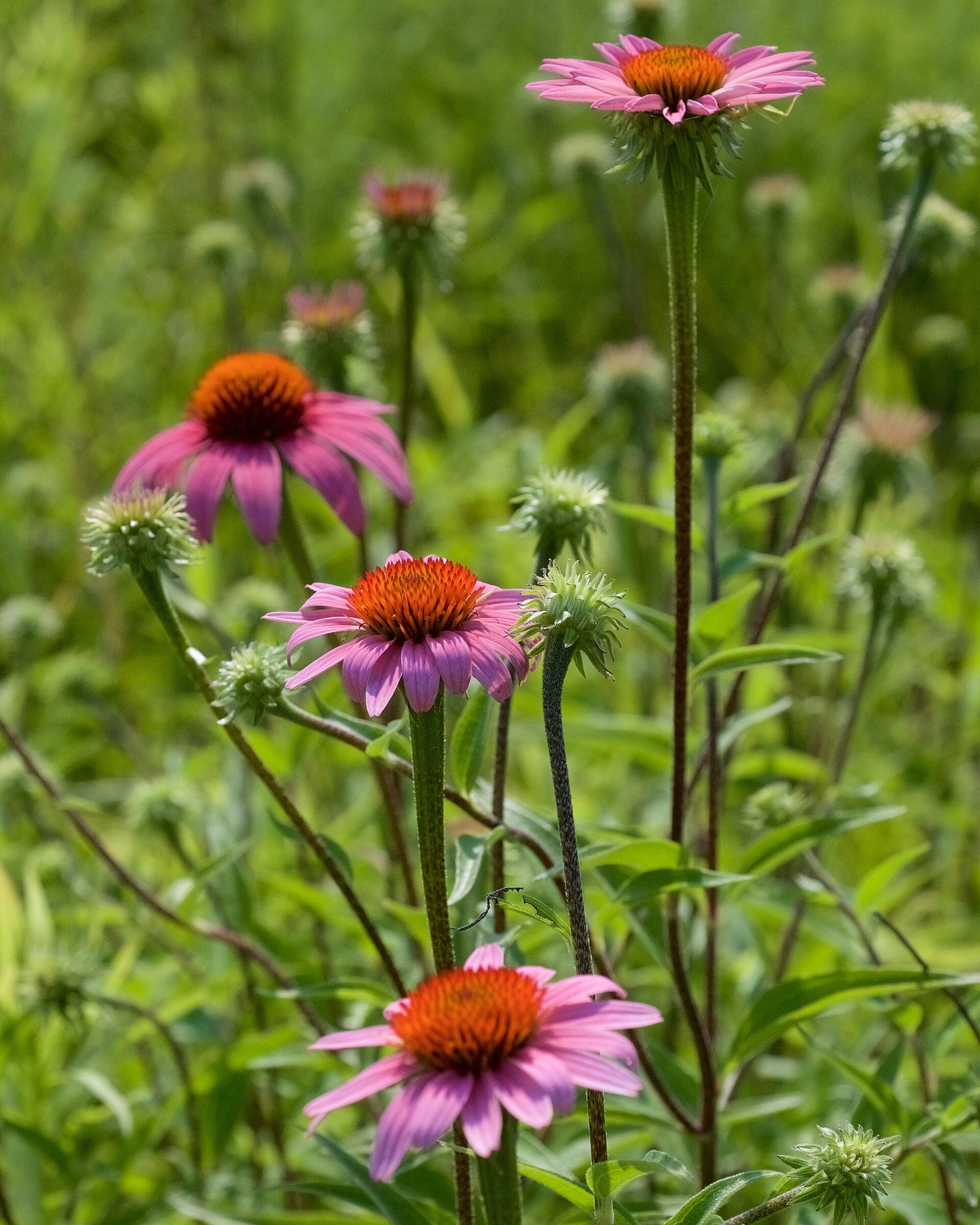
Purple Coneflower
Open, flat flower head gives easy access to both nectar and pollen.
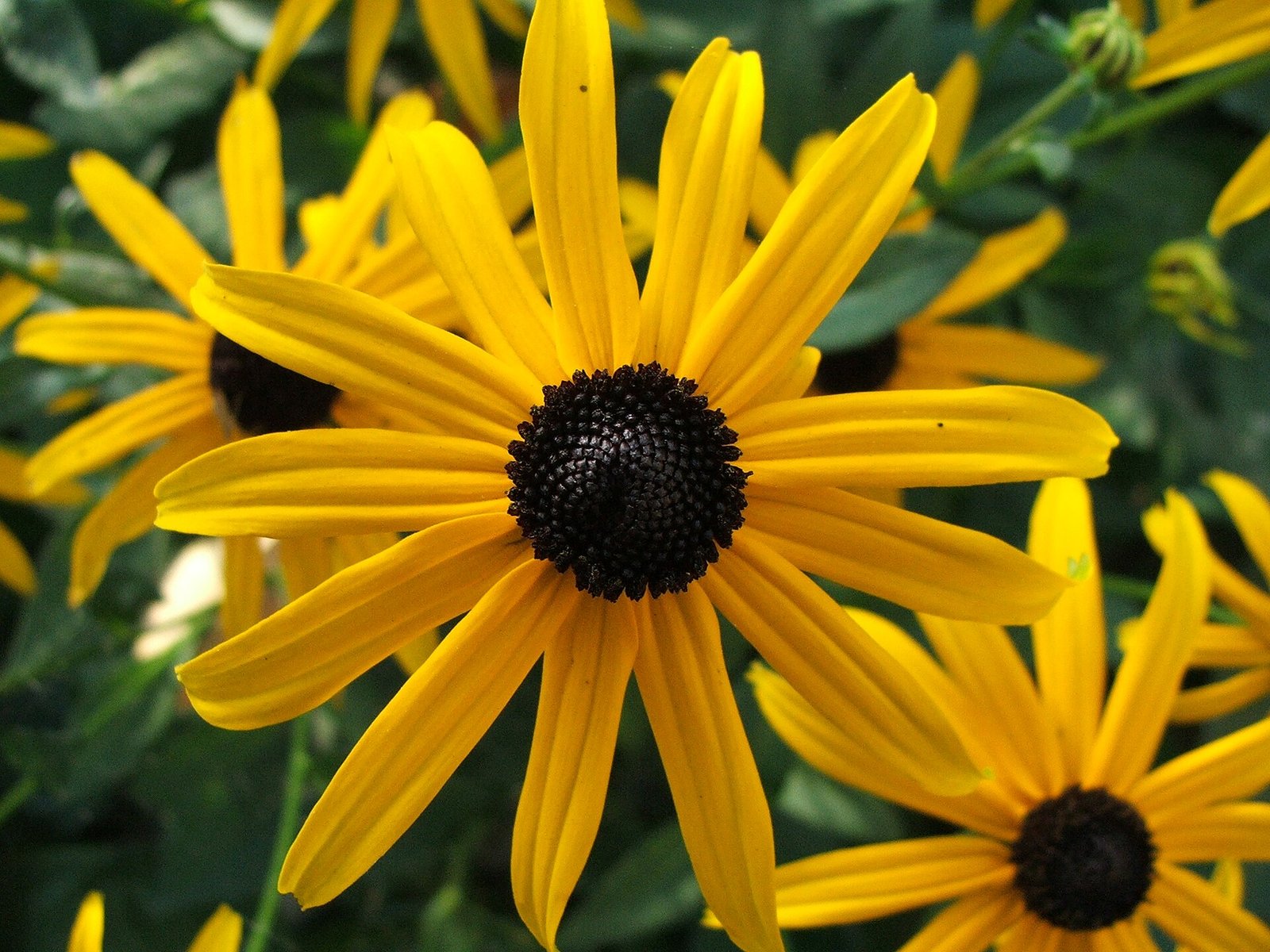
Black-Eyed Susan
Long bloom season means a long window of forage availability.
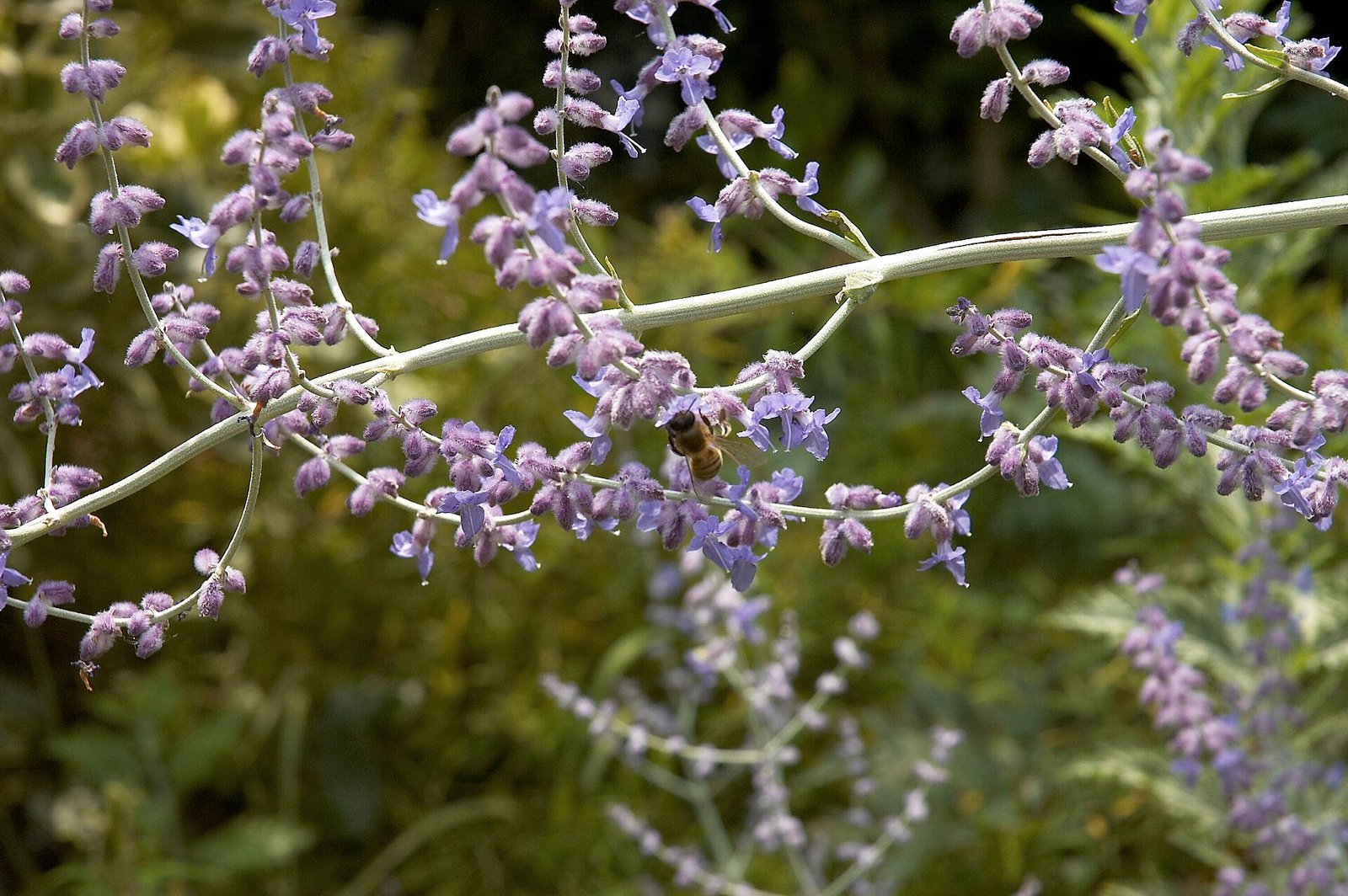
Russian Sage
Deep tubular flowers favored by long-tongued bumblebees.
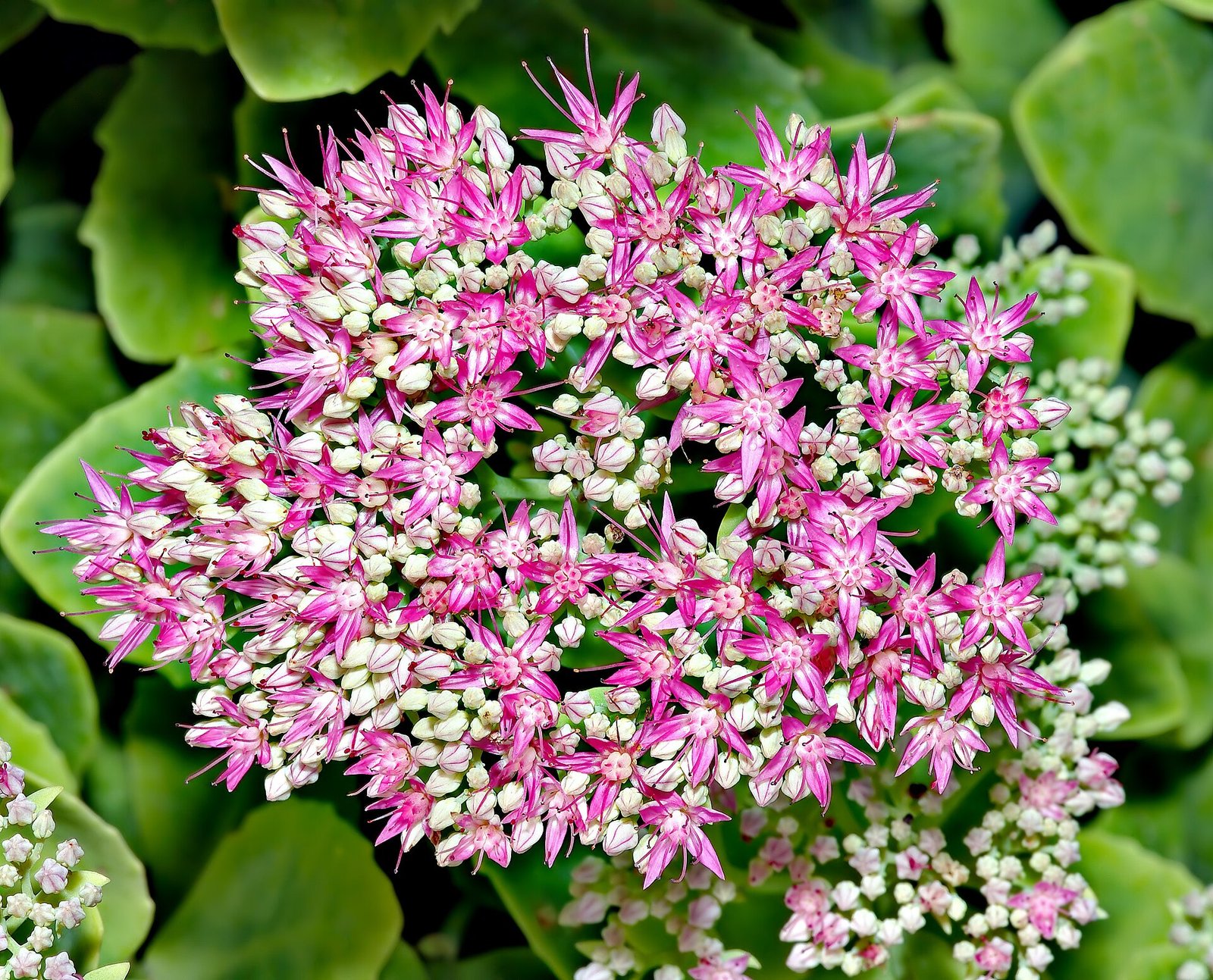
Sedum
Late-season nectar when few other perennials are still blooming.
Why Flower Shape Matters
Different bees have different tongue lengths, and flower shape determines who can actually reach the nectar. Open, flat or shallow flowers like coneflower and black-eyed Susan are accessible to almost any bee, including short-tongued species that can't reach into deep tubular blooms. Deeper, tubular flowers like Russian sage and lavender favor longer-tongued bumblebees, which are strong enough and patient enough to push into a narrower opening. A garden with both flower shapes supports a wider range of bee species than one built around a single flower type.
Bloom Succession Matters More Than Any Single Plant
Bees need forage from early spring through fall, not just a two-week burst in July. Combining these perennials with different bloom windows — lavender and coneflower carrying early-to-midsummer, Russian sage picking up in midsummer, sedum closing out the season in fall — keeps something in bloom for most of the growing season rather than creating one dramatic peak surrounded by gaps.
Pesticide Practices That Undermine a Bee Garden
What to avoid
- Systemic insecticides, including some neonicotinoid products, which can be taken up into pollen and nectar and affect bees that visit the plant afterward
- Spraying open flowers with any insecticide while bees are actively foraging, typically daytime hours
- Treating an entire bed for a minor pest problem instead of targeting the specific affected plant
Most of the perennials on this page are naturally pest-resistant enough that heavy spraying usually isn't necessary in the first place — another reason they're solid choices for a pollinator-focused garden.
Frequently Asked Questions
Do bees prefer native perennials over cultivated varieties?
Often, yes, though it varies by species and cultivar. Straight species and native-origin plants like purple coneflower and black-eyed Susan tend to produce more accessible pollen and nectar than some heavily bred cultivars, particularly "double" flower forms that can have reduced or hard-to-reach nectar.
Will planting for bees also attract wasps?
Some overlap is normal and not usually a problem — most wasps that visit flowers are not aggressive unless their nest is disturbed. Open, nectar-rich flowers like coneflower will draw a range of pollinating insects, not exclusively bees, which is generally a sign of a healthy garden ecosystem rather than a concern.