Perennial Flowers for Full Sun
"Full sun" means six or more hours of direct, unfiltered sunlight a day — not just a bright spot near a window's worth of light, and not a patch that gets strong morning sun but shadow by 1 p.m. Get the exposure right and this group of perennials is some of the toughest, most floriferous planting you can put in the ground.
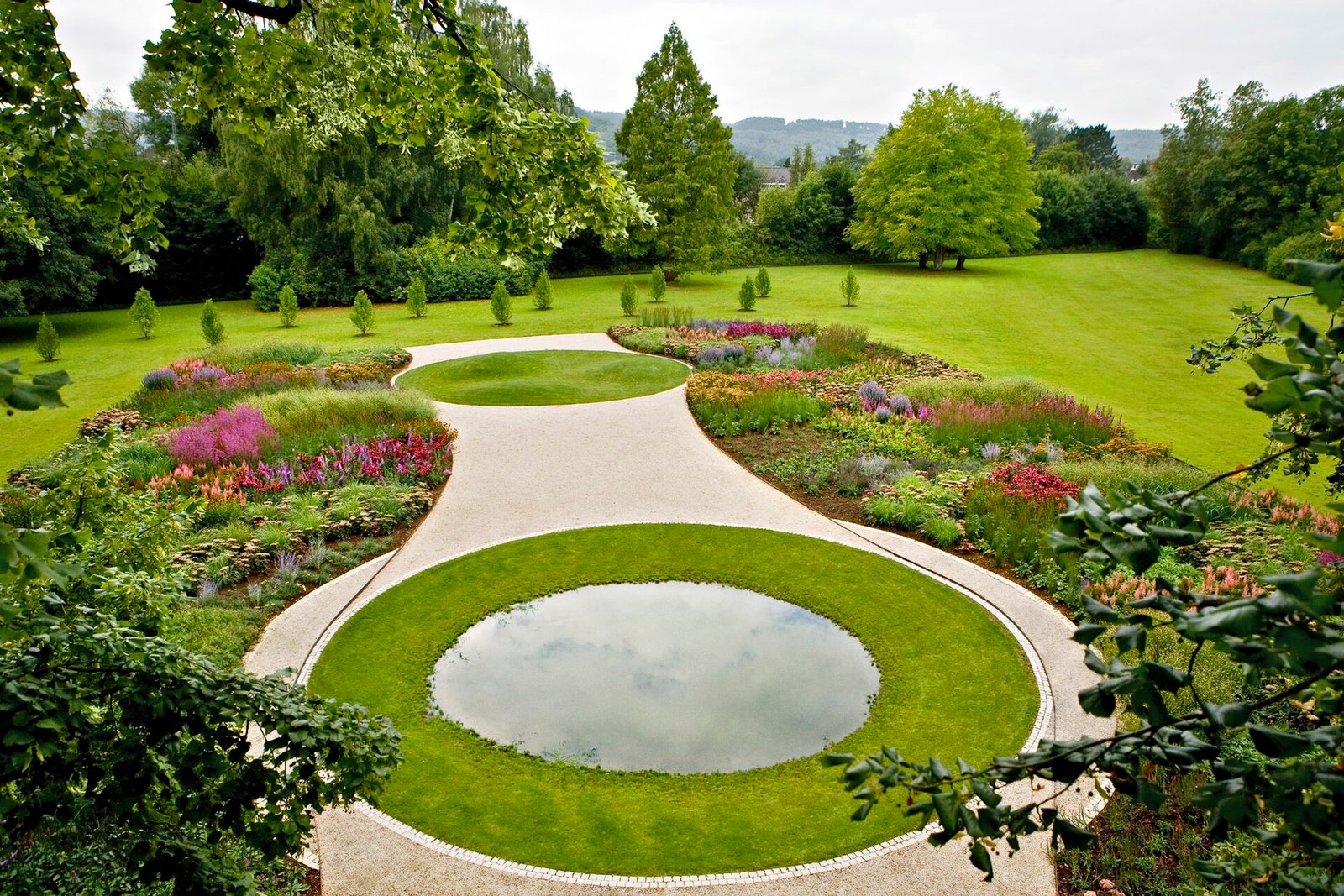
How to Confirm a Spot Is Actually Full Sun
Before buying plants, watch the site for a full day, ideally in late spring or summer when trees are fully leafed out. A spot that reads as "full sun" in March because a deciduous tree is bare can drop to part shade by June. Count the hours of direct light that fall without interruption — a south- or west-facing bed away from buildings and trees is the safest bet. East-facing beds often get intense morning sun but lose direct light by early afternoon, which reads as full sun on a plant tag but behaves more like part sun in practice for plants that need afternoon light too.
Why Sun-Loving Perennials Struggle in Too Little Light
Most full-sun perennials evolved on open prairies, meadows or rocky slopes, and their whole growth habit assumes strong light. Put them in four hours of dappled shade instead of six-plus hours of direct sun and you'll typically see three things: fewer flowers, stretched and floppy stems as the plant reaches for light, and increased susceptibility to fungal problems like powdery mildew because airflow and light exposure both drop. None of that means the plant will die — many will limp along — but it won't perform the way the tag promises.
Reliable Full-Sun Perennials
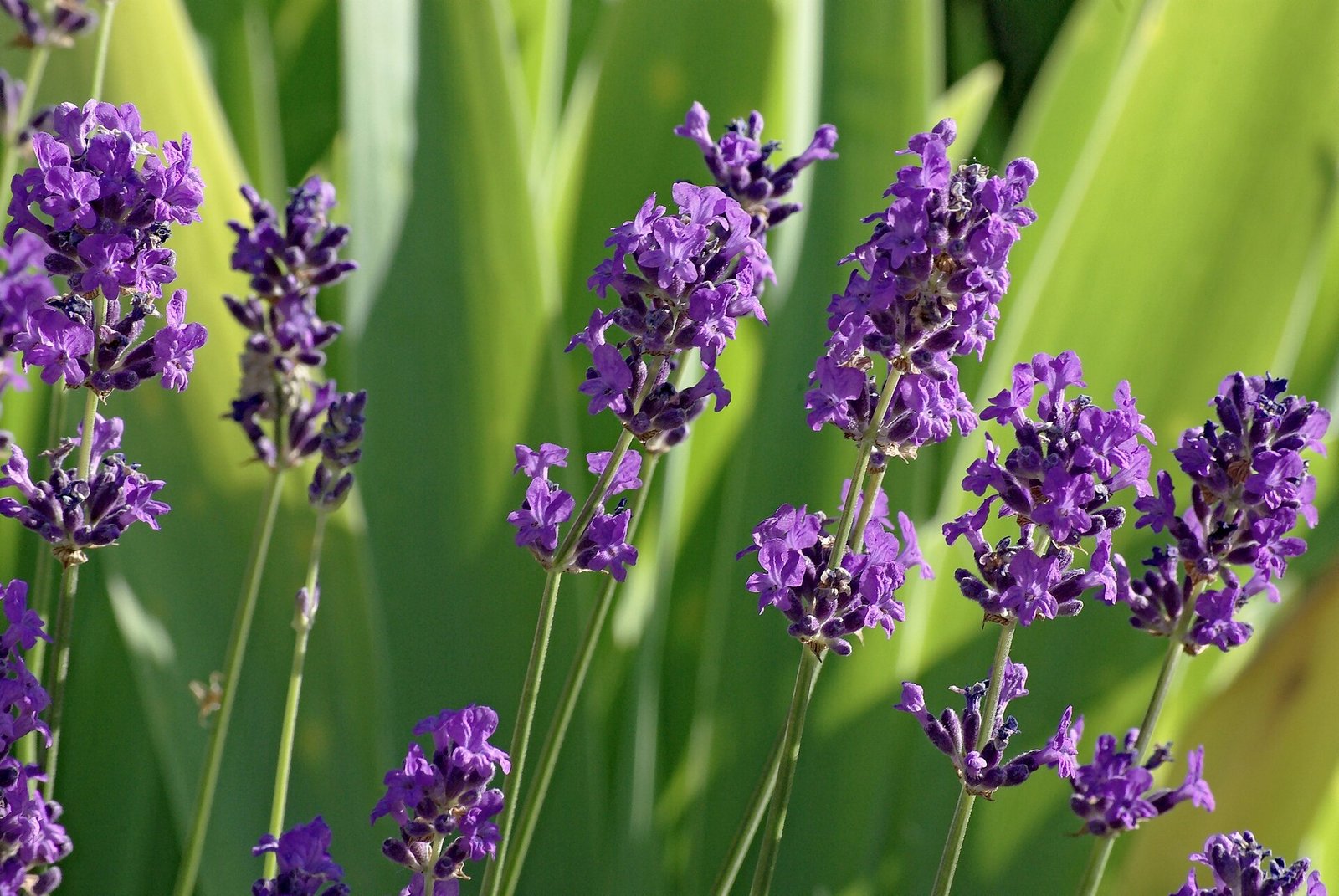
Lavender
Silvery foliage, drought tolerant, needs sharp drainage.
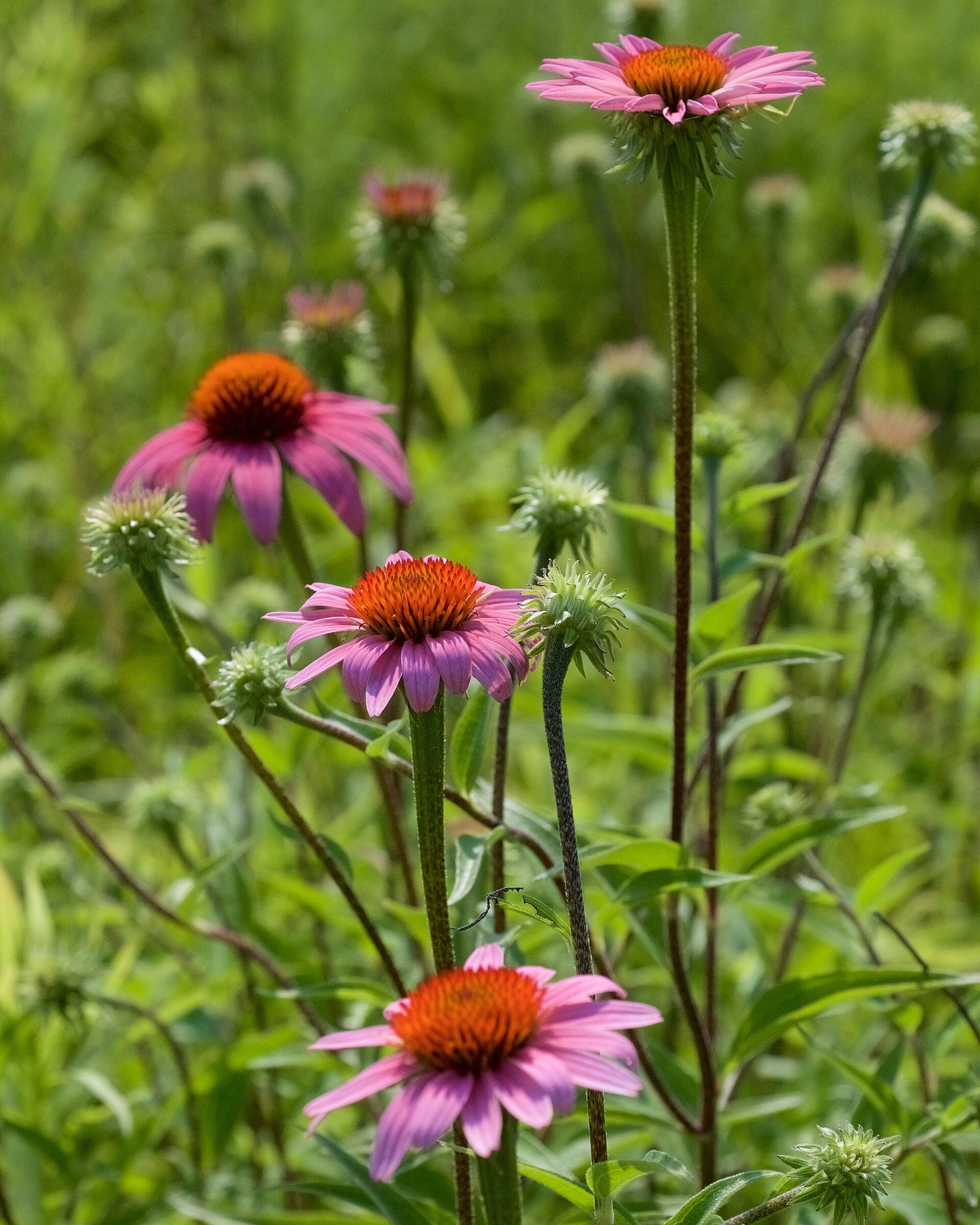
Purple Coneflower
Native prairie plant, heat tolerant, feeds pollinators.
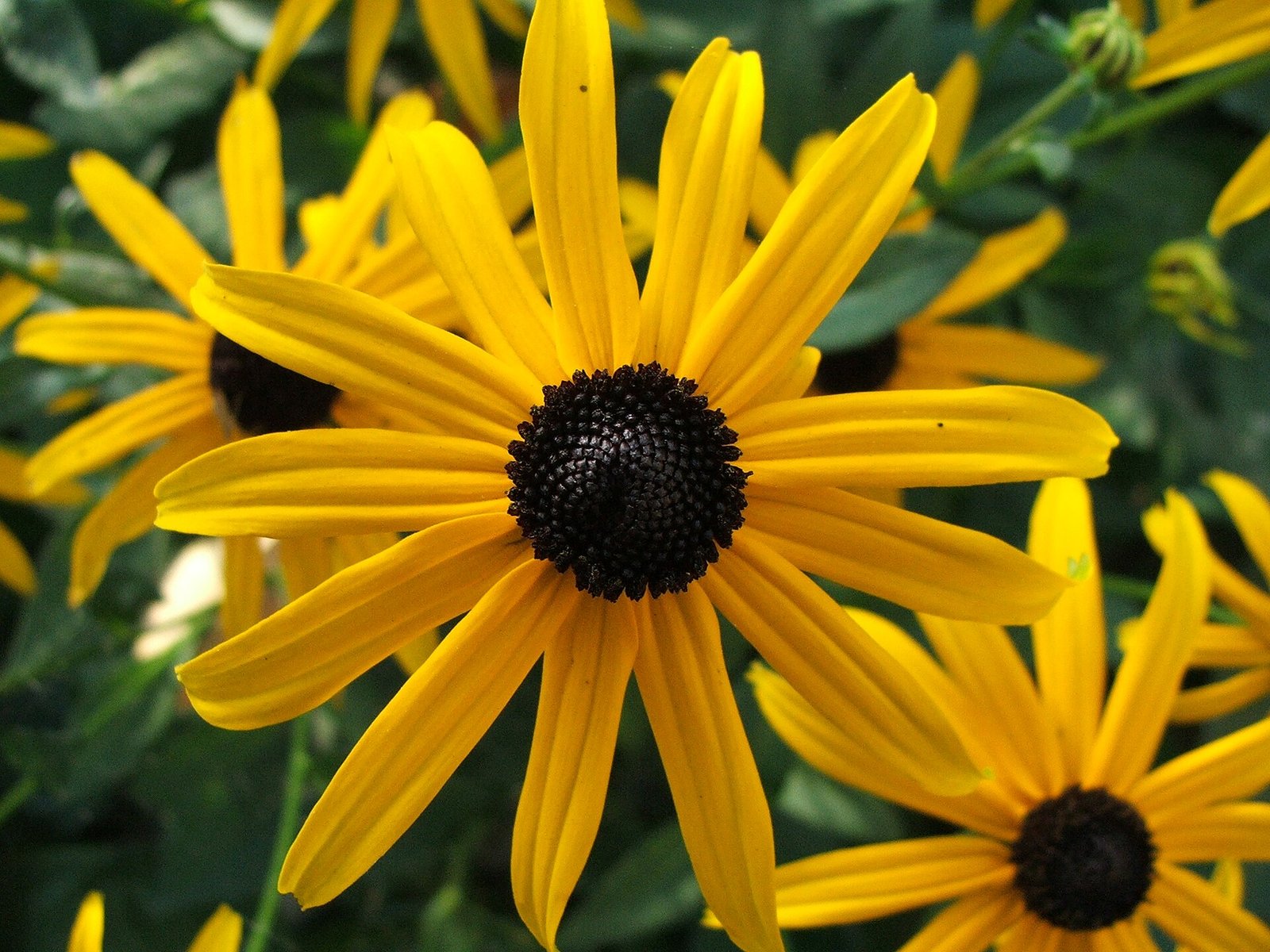
Black-Eyed Susan
Long bloom window, self-seeds, very forgiving.
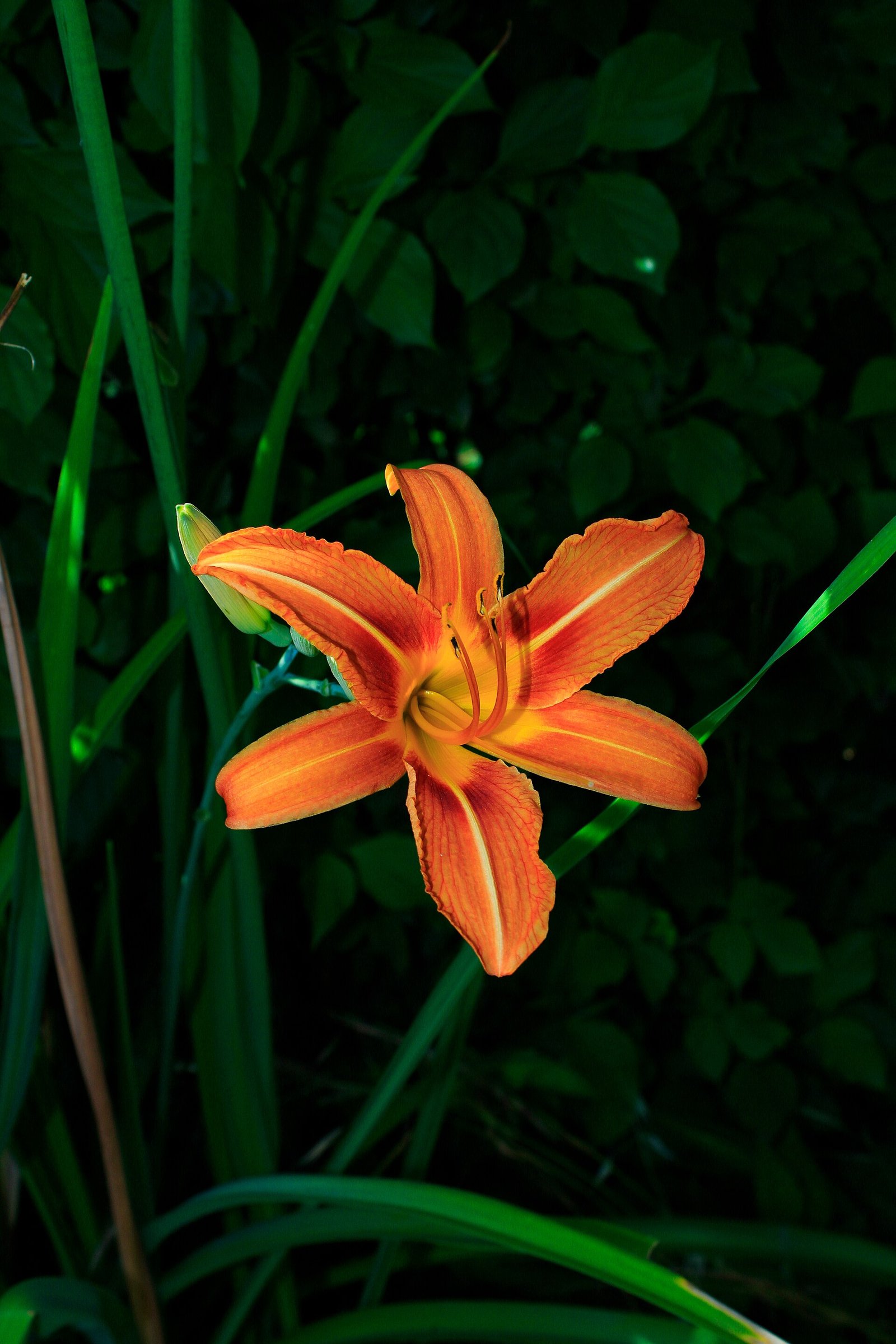
Daylily
Handles poor soil, heat and neglect better than most.
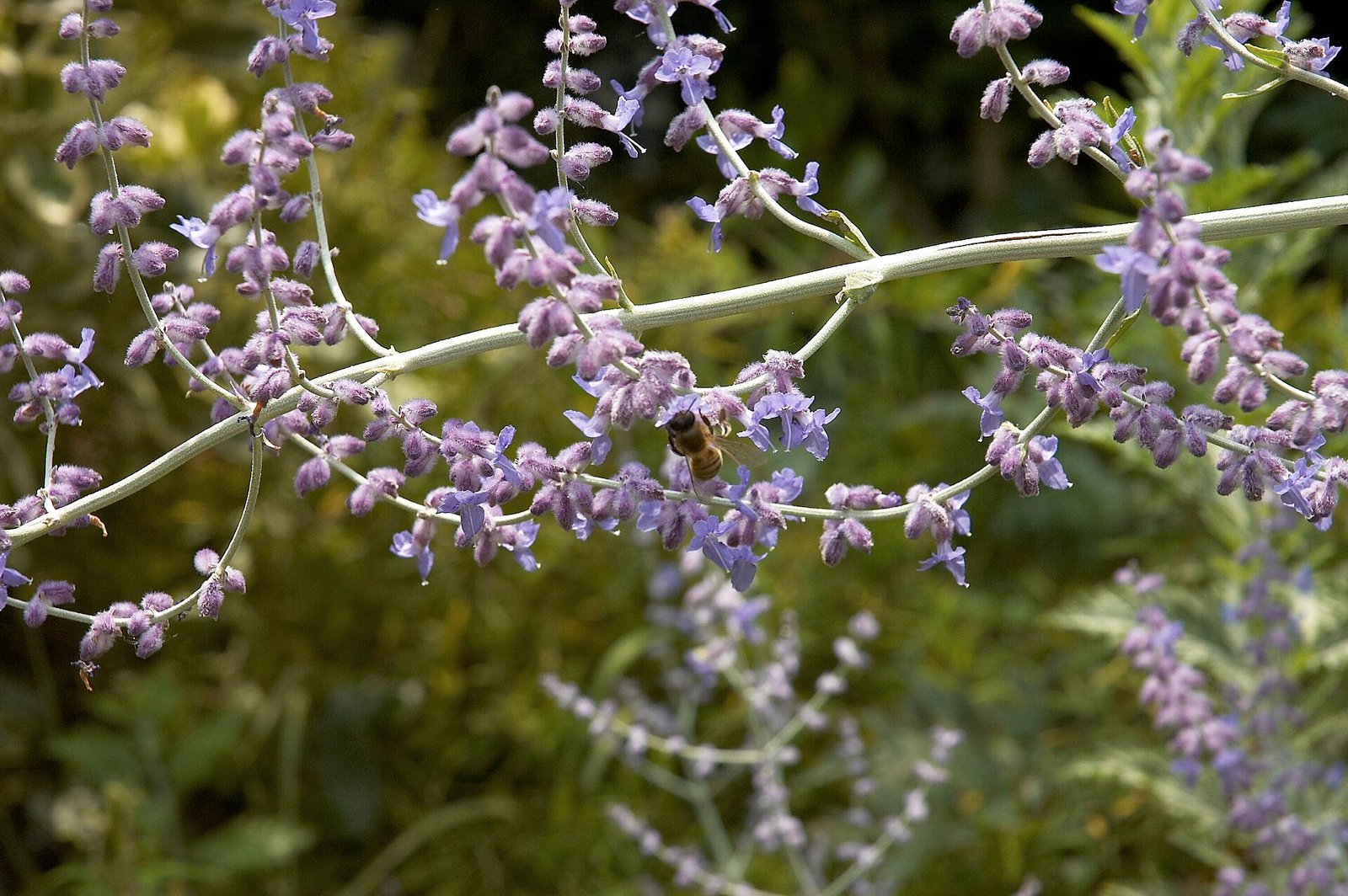
Russian Sage
Airy structure, thrives on neglect, resists deer and rabbits.
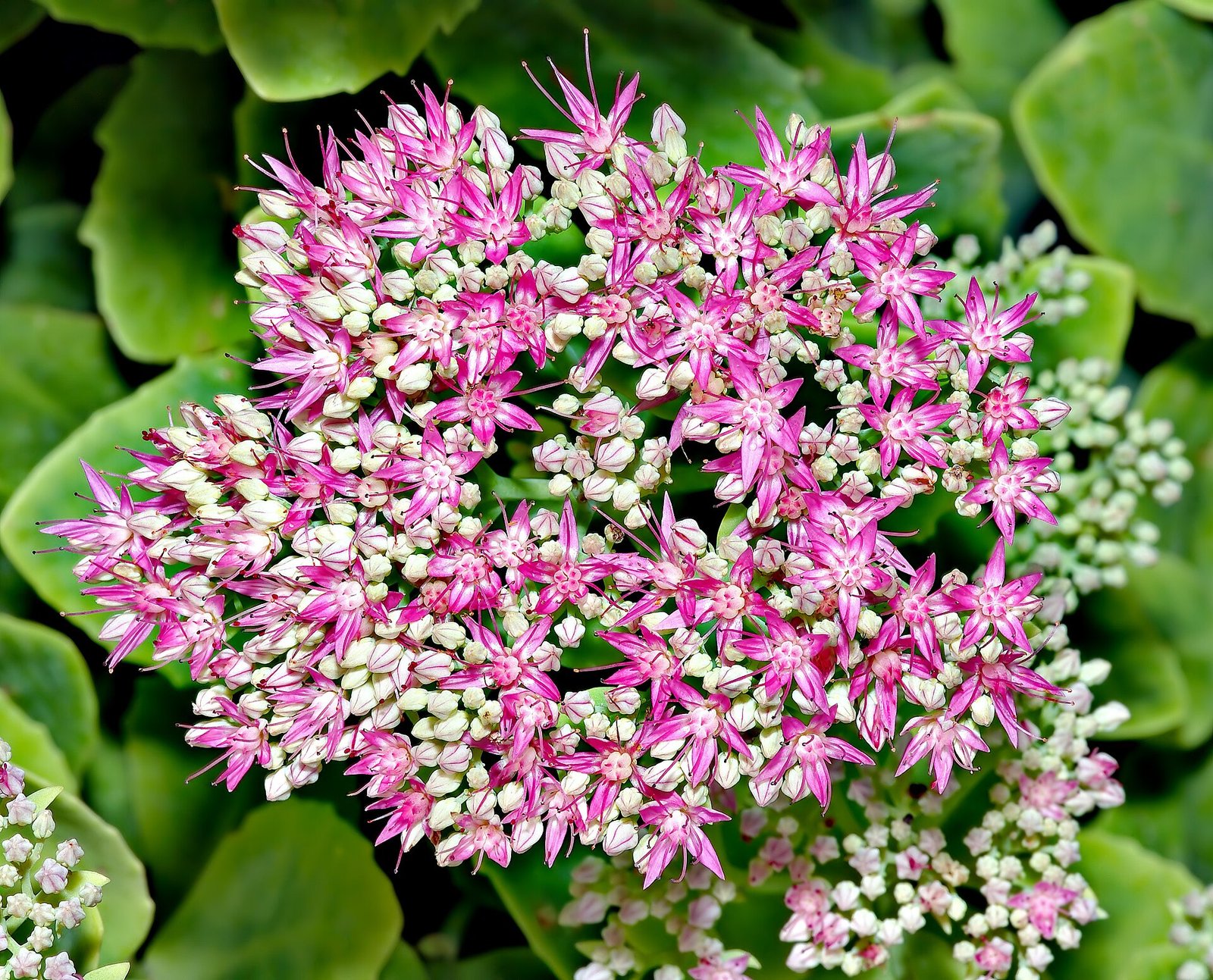
Sedum (Stonecrop)
Succulent foliage, extends bloom into fall.
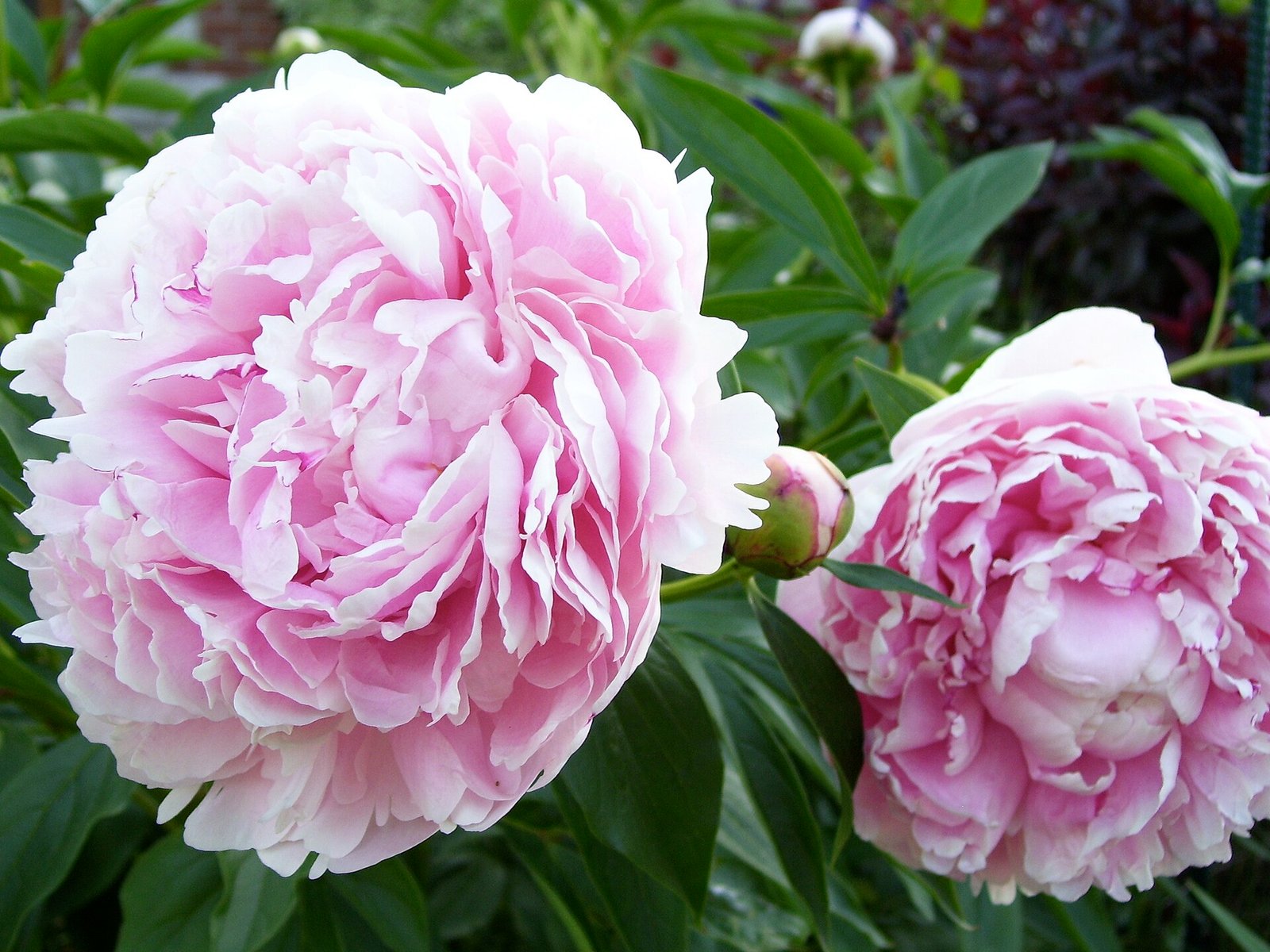
Peony
Needs a minimum of six hours of sun to flower well.
Soil and Watering for Sunny Beds
Full sun and dry, fast-draining soil are frequently paired, but they're not the same requirement. Peony and daylily want a full-sun spot but appreciate soil that holds moisture reasonably well; lavender, Russian sage and sedum actively prefer lean, sandy or rocky soil and will rot in heavy clay that stays wet. Before choosing plants, dig a hole about a foot deep, fill it with water, and see how long it takes to drain. Fast drainage points you toward the Mediterranean-type plants (lavender, Russian sage, sedum); slower drainage is fine for coneflower, black-eyed Susan, daylily and peony as long as it's not standing water for days.
Sunny beds also lose moisture faster than shaded ones simply from evaporation, so newly planted perennials in full sun need more frequent watering through their first season than the same plant would in part shade. Once established — generally after one full growing season — most of the plants above need supplemental water only during extended dry spells.
Designing a Full-Sun Border
Stagger bloom times so the bed isn't all peony in May and nothing after. A workable sequence: peony for late spring, coneflower and black-eyed Susan carrying early-to-late summer, Russian sage picking up in midsummer and running into fall, and sedum closing out the season from late summer through October. Place taller plants like Russian sage and mature daylily toward the back or center of an island bed, with lower sedum and shorter black-eyed Susan varieties toward the front edge.
Frequently Asked Questions
Can full-sun perennials handle afternoon shade?
A little, usually. Most of the plants here will still bloom reasonably well with strong morning sun and light afternoon shade, though bloom count typically drops compared to a full-day-sun spot. What they don't tolerate well is being sun-loving in name only — a spot with less than four or five hours of direct light will produce weak, sparse flowering regardless of species.
Do full-sun perennials need more water than shade perennials?
Not necessarily once established — some of the toughest drought-tolerant plants on this list, like Russian sage and sedum, need less water than many shade perennials such as astilbe. The higher water demand is mostly in the first season, while roots are still establishing in a spot that dries out faster than shade.