Perennial Gardening, Explained Plainly
Perennial Flowers
Perennial flowers come back on their own, year after year, without being replanted. This site is a working reference for choosing the right ones for your yard and keeping them healthy — organized by sunlight, season, hardiness zone, and how much upkeep you actually want to do.
Start with the full perennial flowers guide, jump straight to a growing condition, or use the Flower Finder below to filter by what your garden offers.
What Are Perennial Flowers?
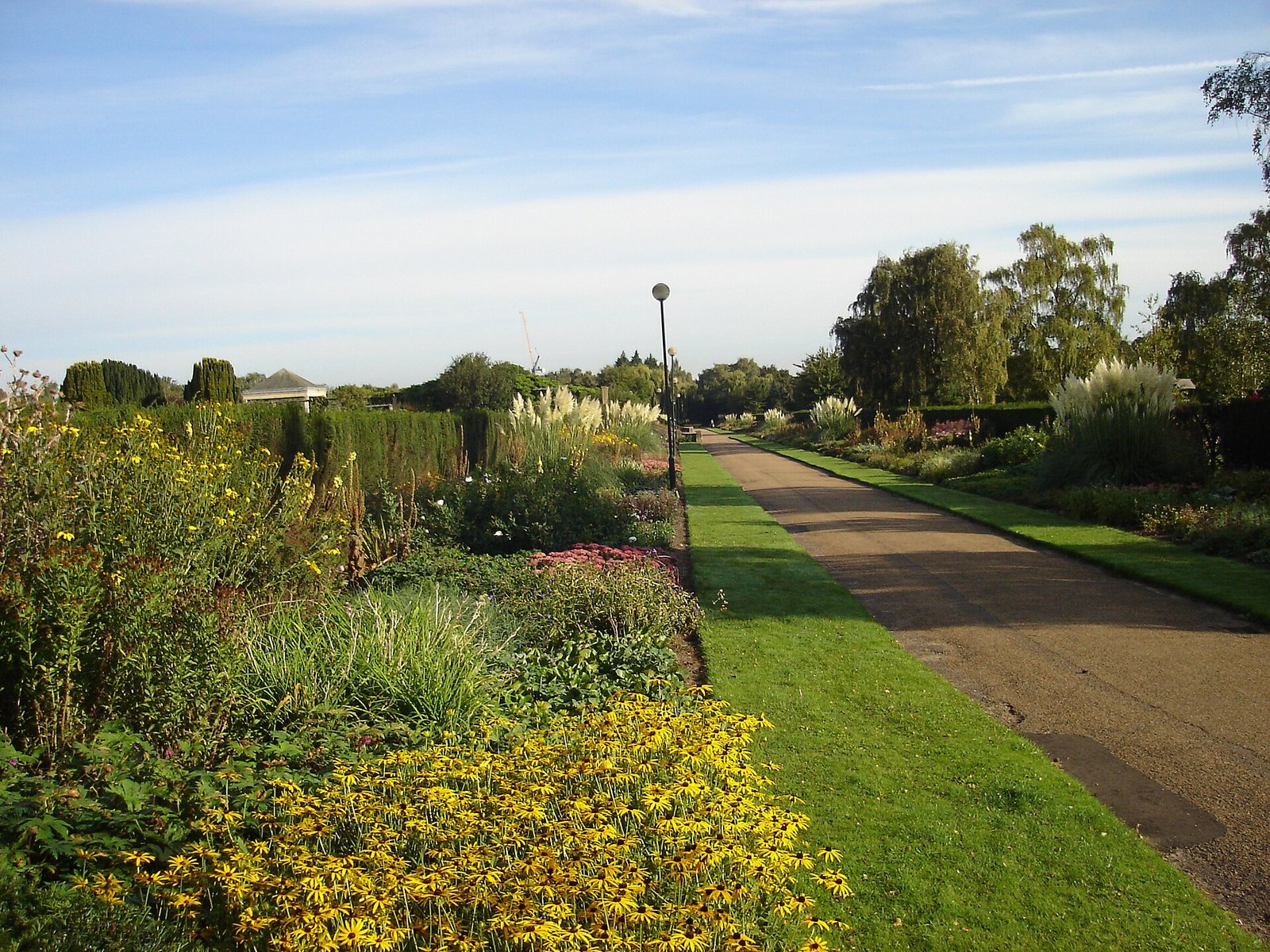
A perennial flower is a flowering plant that lives for three or more growing seasons. The top growth usually dies back in cold climates, but the root system survives winter underground and sends up new stems the following spring. That's the whole appeal: you plant it once, and it keeps returning, usually getting fuller and producing more flowers each year until the clump matures.
That's different from an annual, which completes its entire life cycle — germination, flowering, seed, death — in a single season and has to be replanted every year. Petunias, marigolds and zinnias are annuals. It's also different from a biennial, like foxglove or hollyhock, which spends its first year growing leaves and its second year flowering, setting seed, and dying. Perennials don't work on that fixed timeline; a healthy peony or hosta can easily outlive the gardener who planted it.
Gardeners lean on perennials for a few practical reasons. The upfront cost per plant is higher than a flat of annuals, but you're not buying new plants every spring, so the cost evens out over a few years. Established perennials also tend to have deeper root systems, which makes many of them more drought-tolerant than shallow-rooted annuals once they're settled in. And because most perennials have a defined bloom window rather than flowering continuously all season, a well-planned perennial bed uses overlapping bloom times to keep something in flower from spring through fall — which is really a design skill, not a fixed feature of the plants themselves.
The tradeoff is patience. Many perennials look modest in their first year while they're building roots, noticeably better in year two, and don't hit their full size and bloom count until year three. Gardeners sometimes call this "sleep, creep, leap," and it's a fair description of what to expect.
Popular Perennial Flowers
Ten reliable perennials that cover a wide range of sun, soil and climate conditions — each linked to a full growing guide.
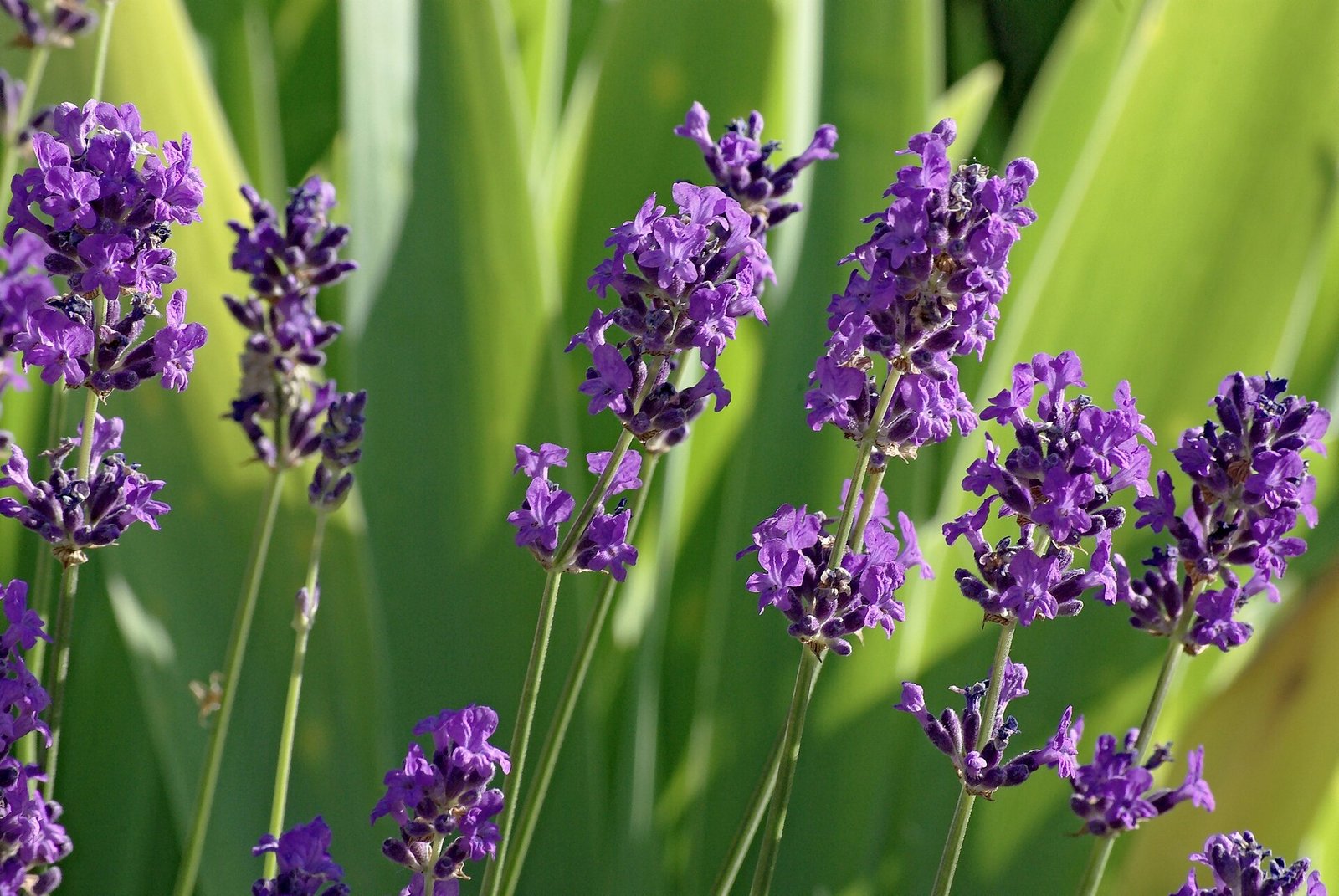
Lavender
Fragrant, silvery, and famously drought-tolerant once established.
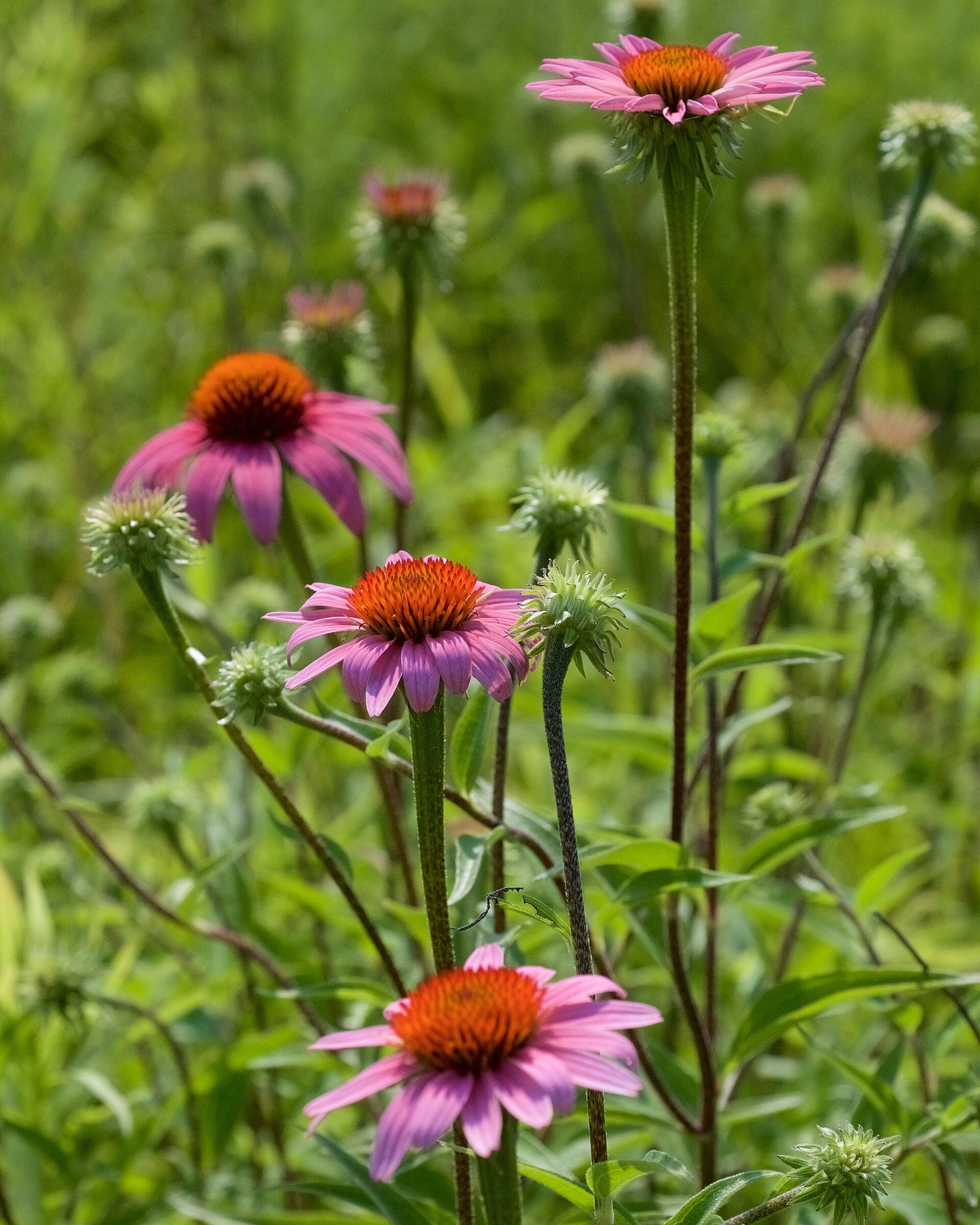
Purple Coneflower
A tough native that feeds pollinators and self-seeds without fuss.
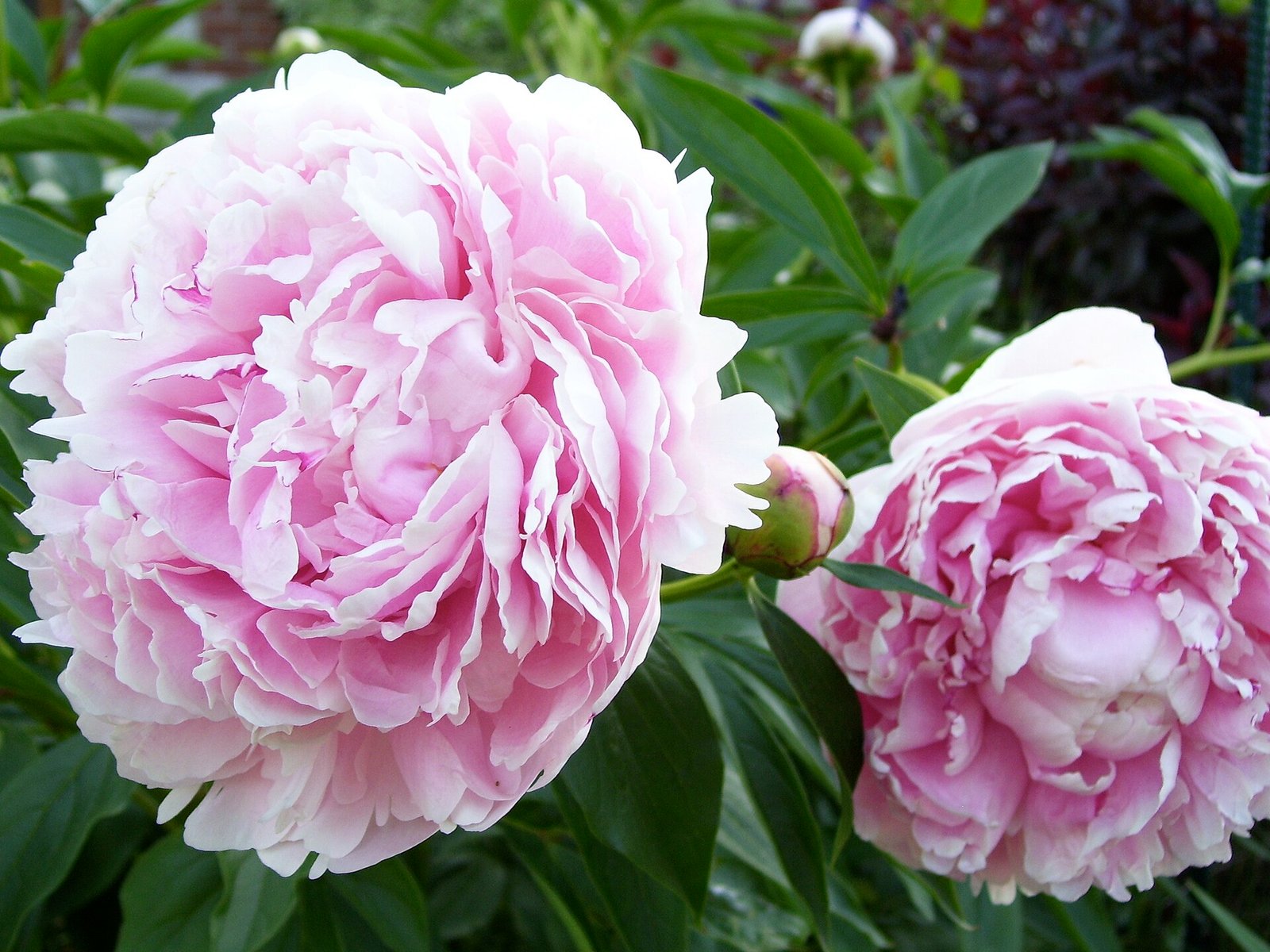
Peony
Huge, fragrant late-spring blooms from a clump that can last decades.
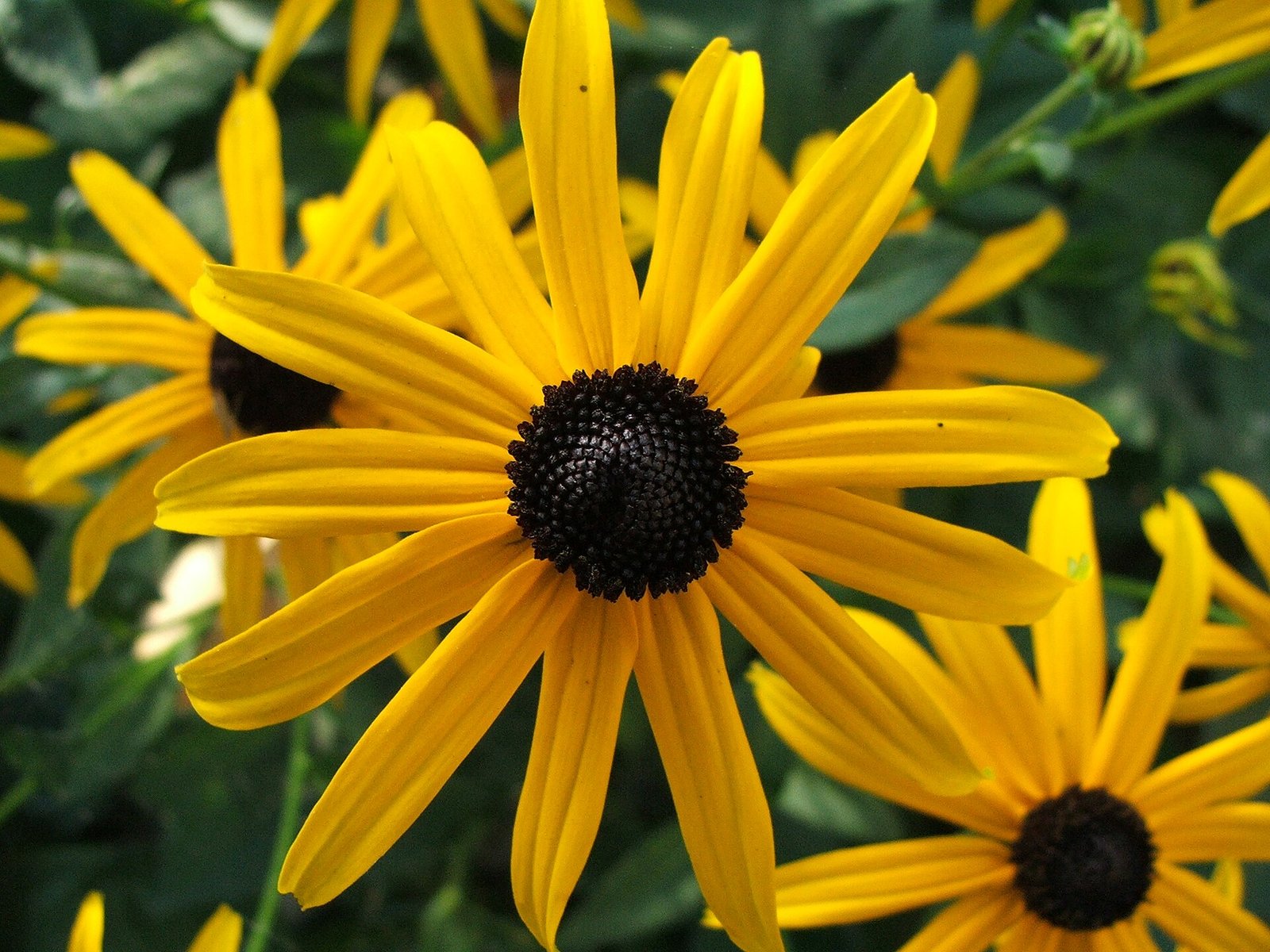
Black-Eyed Susan
Cheerful and nearly foolproof, with a long summer-into-fall bloom run.
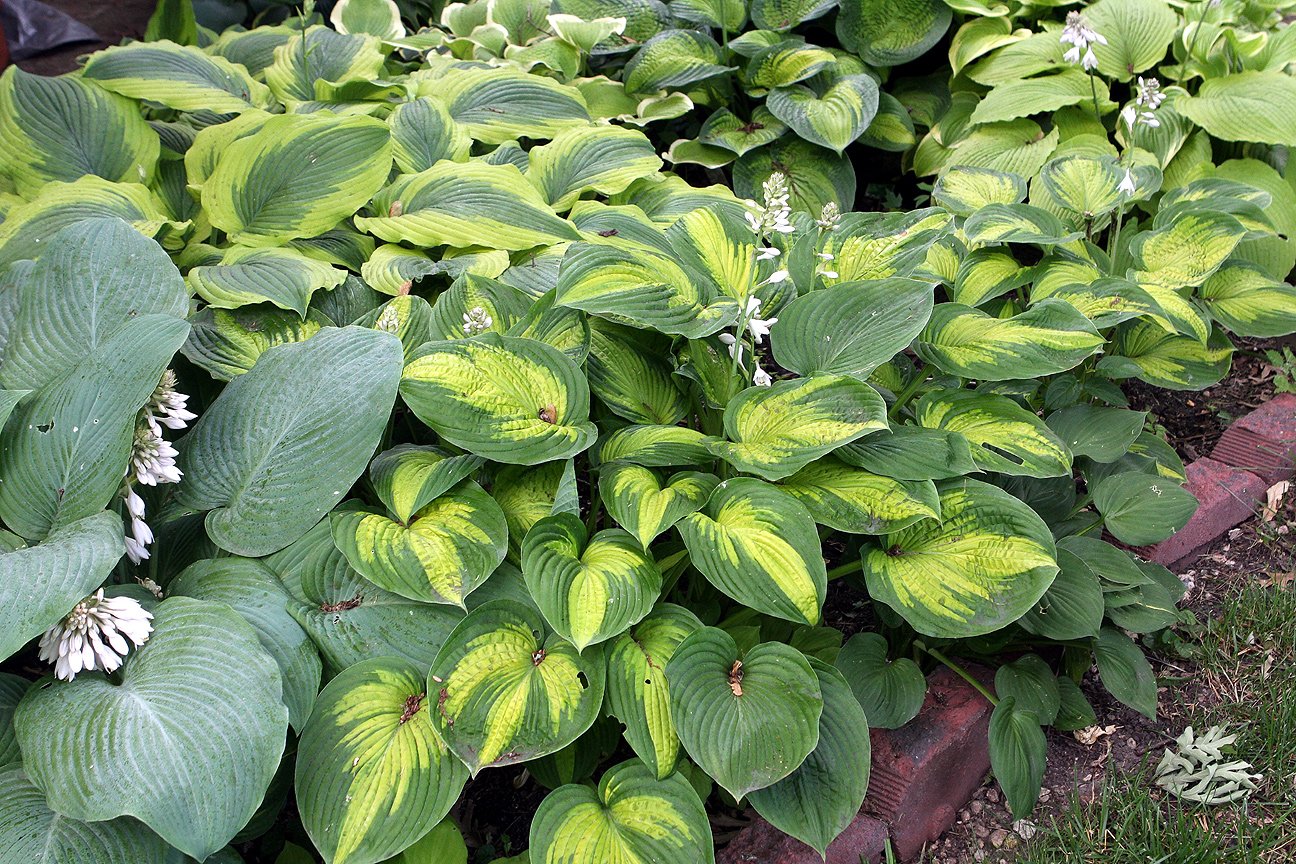
Hosta
The backbone of most shade gardens, grown mostly for its foliage.
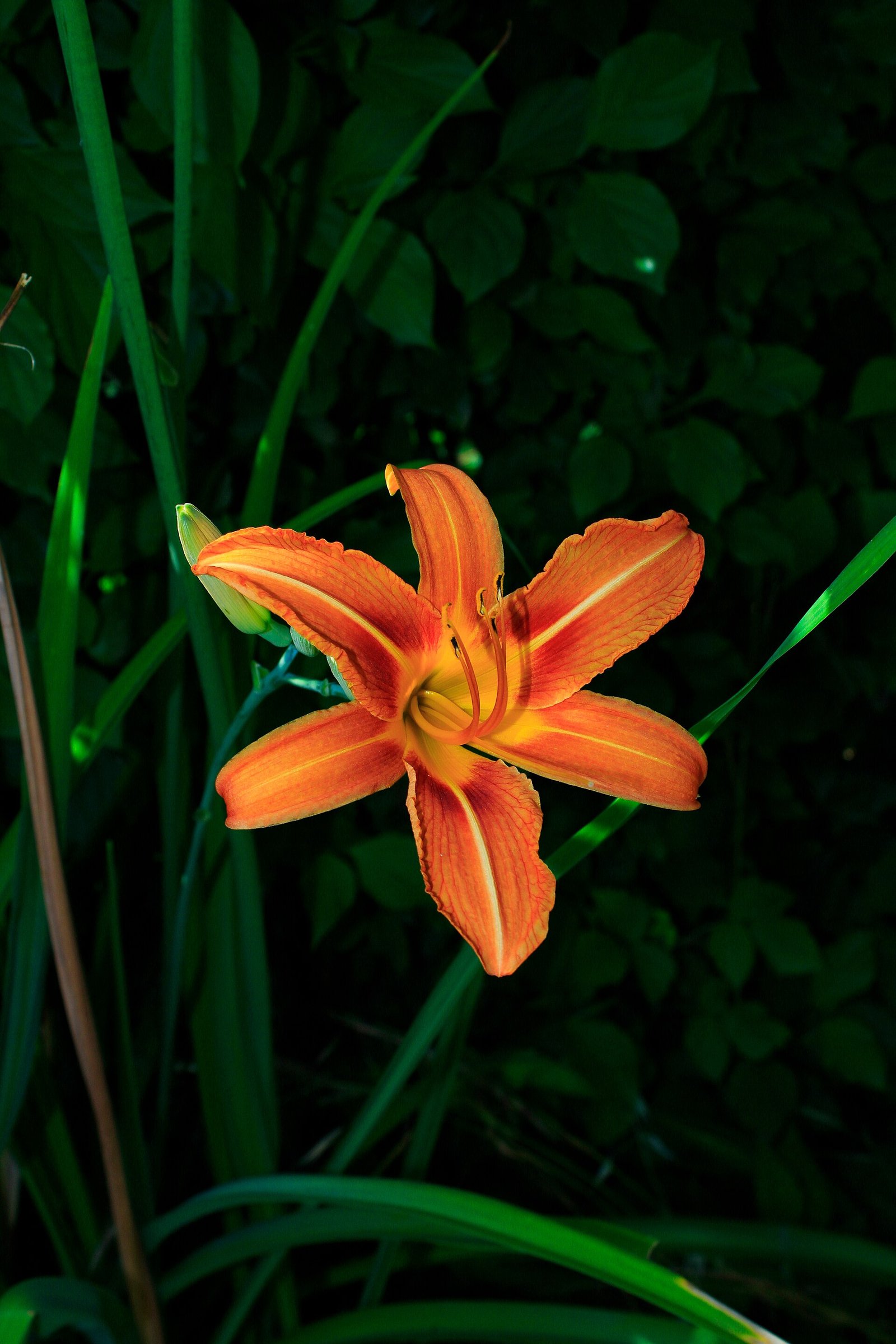
Daylily
About as close to indestructible as a perennial flower gets.
Browse by Sunlight
Sun exposure is the single biggest factor in whether a perennial thrives or struggles. Start here.
Browse by Season
Layer bloom times so there's always something flowering.
Browse by Purpose
Shop by what you actually need the plant to do.
Beginners
Nearly unkillable perennials for a first garden.
Low Maintenance
Minimal deadheading, dividing or staking required.
Pots & Containers
Perennials that genuinely do well in a pot, not just in the ground.
For Bees
Reliable nectar and pollen sources for a pollinator garden.
For Butterflies
Nectar plants and a few host-plant notes for caterpillars.
Best Overall
Our picks for the most reliable perennials across most gardens.
Browse by Hardiness Zone
USDA hardiness zones describe the average annual minimum winter temperature for a region, and they're the standard way plant labels and catalogs tell you whether a perennial will survive your winter. A plant rated "zones 4–8" will reliably overwinter anywhere in that range but may not survive winters colder than zone 4 or may struggle with the mild winters and long hot summers south of zone 8.
Zones aren't the whole story — a zone 9 gardener in a foggy coastal climate deals with very different conditions than a zone 9 gardener in the desert — but they're the fastest first filter when you're deciding whether a plant belongs on your shortlist at all. Find your zone from a current USDA zone map, then check it against the range listed on any plant you're considering.
Perennial Flower Finder
Filter the flowers on this site by what your garden actually offers. Leave any filter on "Any" to ignore it.
No flowers match that combination. Try loosening a filter — very few plants are simultaneously full sun, high water and low maintenance.
Latest Growing Guides
Perennial Flowers for Beginners
Where to start if you've never kept a plant alive past July.
Low Maintenance Perennial Flowers
Plants that don't demand deadheading, staking or constant dividing.
Perennial Flowers by Hardiness Zone
How to read a zone map and pick plants that will actually survive your winter.
Drought Tolerant Perennial Flowers
What "drought tolerant" really means, and which plants earn the label.
Frequently Asked Questions
Do perennial flowers come back every year on their own?
Yes, as long as the specific plant is winter-hardy in your zone and it's planted somewhere with the drainage and light it needs. A perennial rated for zones 4–8 planted in zone 3 may not survive the winter, and even a hardy perennial can rot out over winter in soil that stays waterlogged.
What's the difference between a perennial and an annual?
An annual completes its life cycle in one growing season and dies, so you replant it every year. A perennial's root system survives winter and regrows new top growth each spring, typically for several years or decades depending on the species.
When should I plant perennial flowers?
Spring and early fall are both good windows in most climates. Fall planting gives roots time to establish in cool soil before winter dormancy, while spring planting lets you see the plant in active growth right away. Avoid planting in the heat of mid-summer if you can help it, since new roots have to establish while fighting heat stress.
Do perennial flowers bloom all season?
Most individual perennials bloom for a few weeks to a couple of months, not continuously from spring to fall. A garden that looks full all season is usually combining several perennials with staggered, overlapping bloom times rather than relying on one plant to do it all. See our guide to perennials that bloom all summer for exceptions that come close.
How do I know which perennials will survive in my area?
Check your USDA hardiness zone and compare it to the zone range listed on the plant tag or in our growing guides. A plant listed as hardy in zones 3–8 will survive winter anywhere in that range. See our guide to perennials by hardiness zone for a fuller explanation.