Perennial Flowers for Beginners
If your gardening experience so far is a basil plant that didn't make it to August, start with perennials that forgive uneven watering, imperfect soil, and a slow start while you learn how your yard actually behaves through a full year.
The Beginner Mistakes That Kill More Plants Than Bad Luck
Almost every "I have a black thumb" story traces back to one of a handful of fixable habits:
- Guessing at sun exposure instead of watching the spot for a full day. A bed that gets four hours of sun is not full sun, no matter how bright it looks at noon.
- Watering on a schedule instead of checking the soil. Stick a finger two inches into the soil before watering — perennials fail more often from overwatering and root rot than from underwatering.
- Planting too deep. Especially with peony, planting the crown more than an inch or two below soil level is a common reason a plant never blooms.
- Giving up in year one. Most perennials look unimpressive their first season while they build roots. That's normal, not a sign of failure — gardeners call it "sleep, creep, leap" for a reason.
Starter Perennials That Are Genuinely Hard to Kill
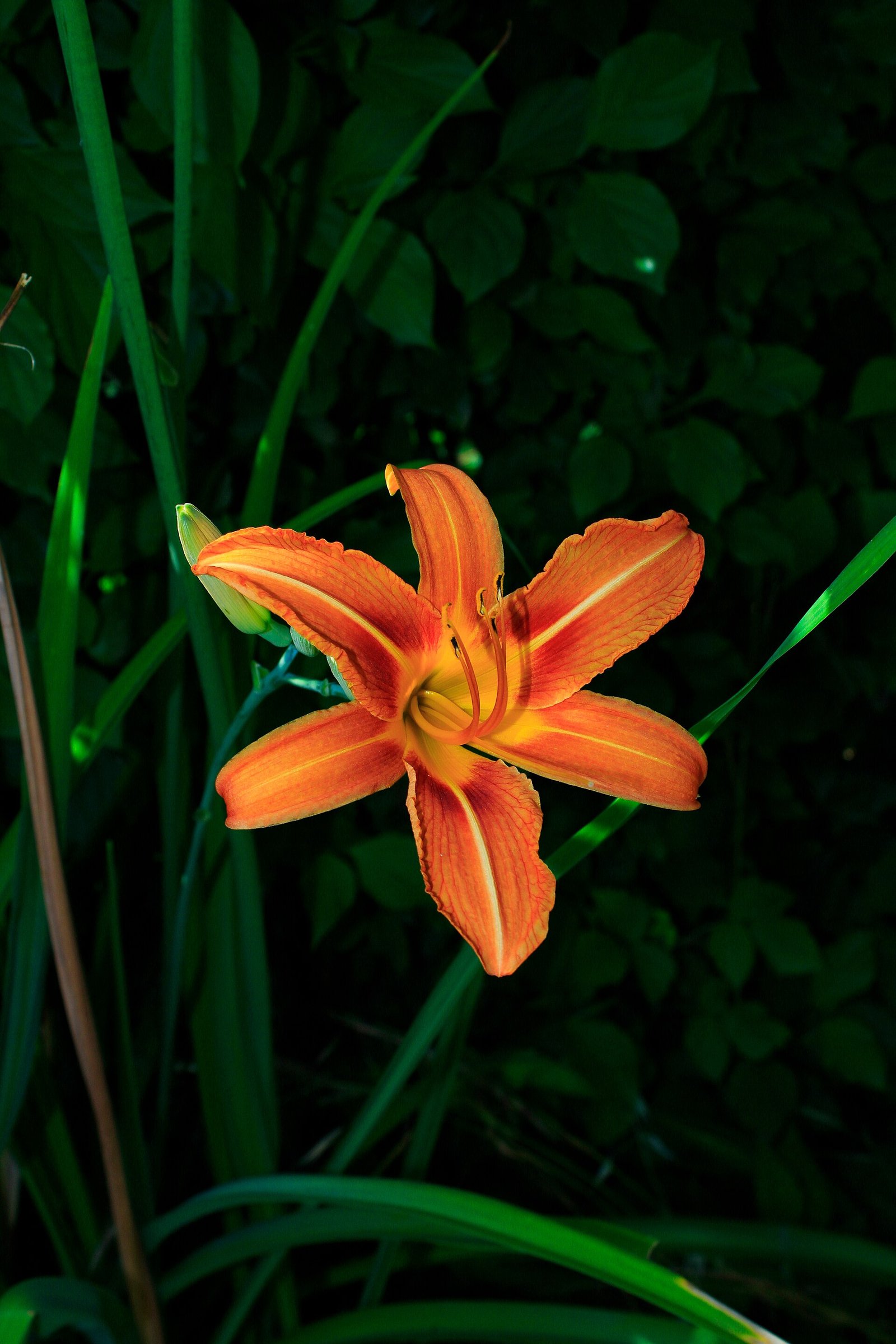
Daylily
Tolerates poor soil, missed waterings and beginner mistakes better than almost anything else.
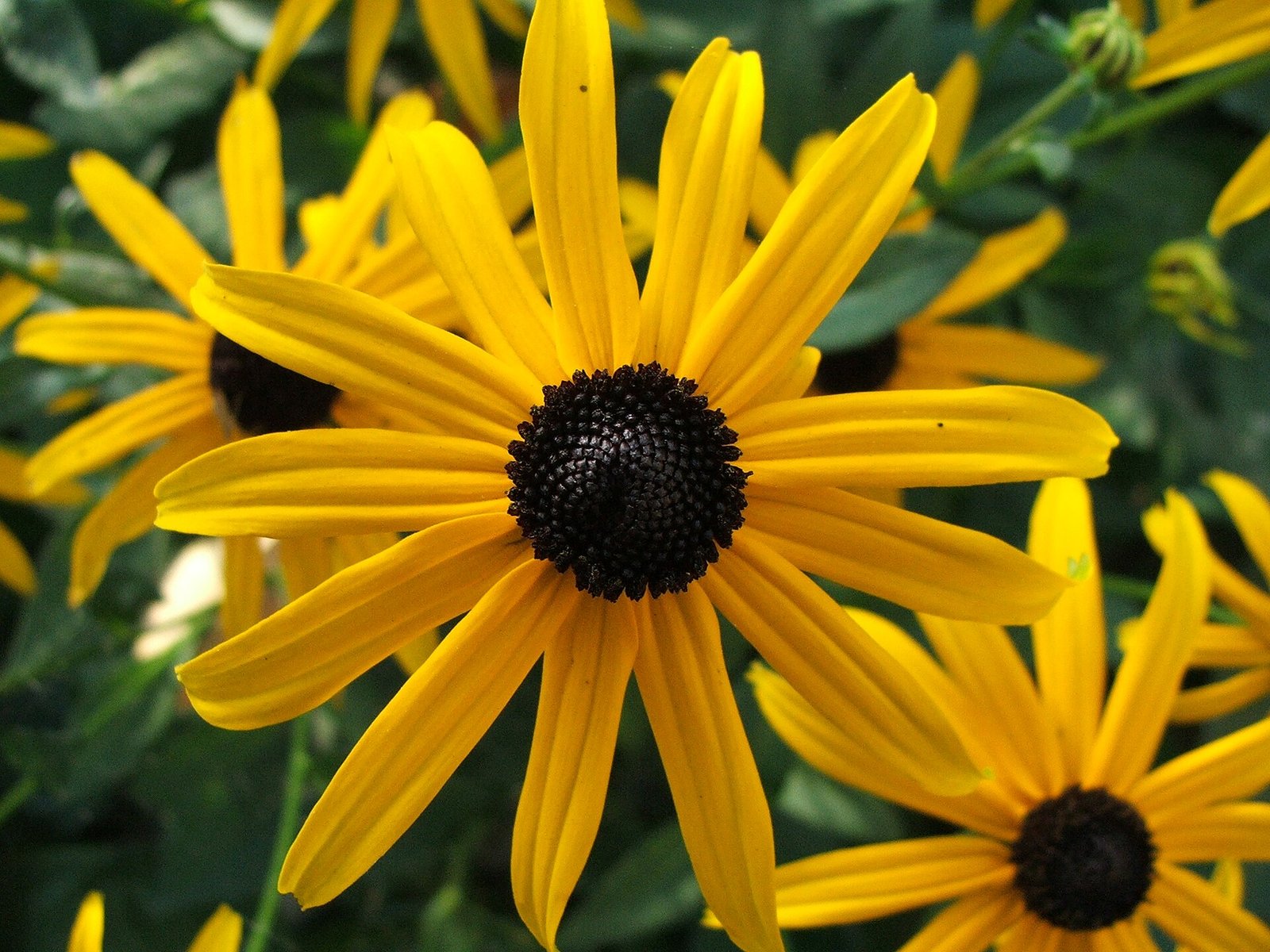
Black-Eyed Susan
Blooms the first year and self-seeds if you let a few flowers go to seed.
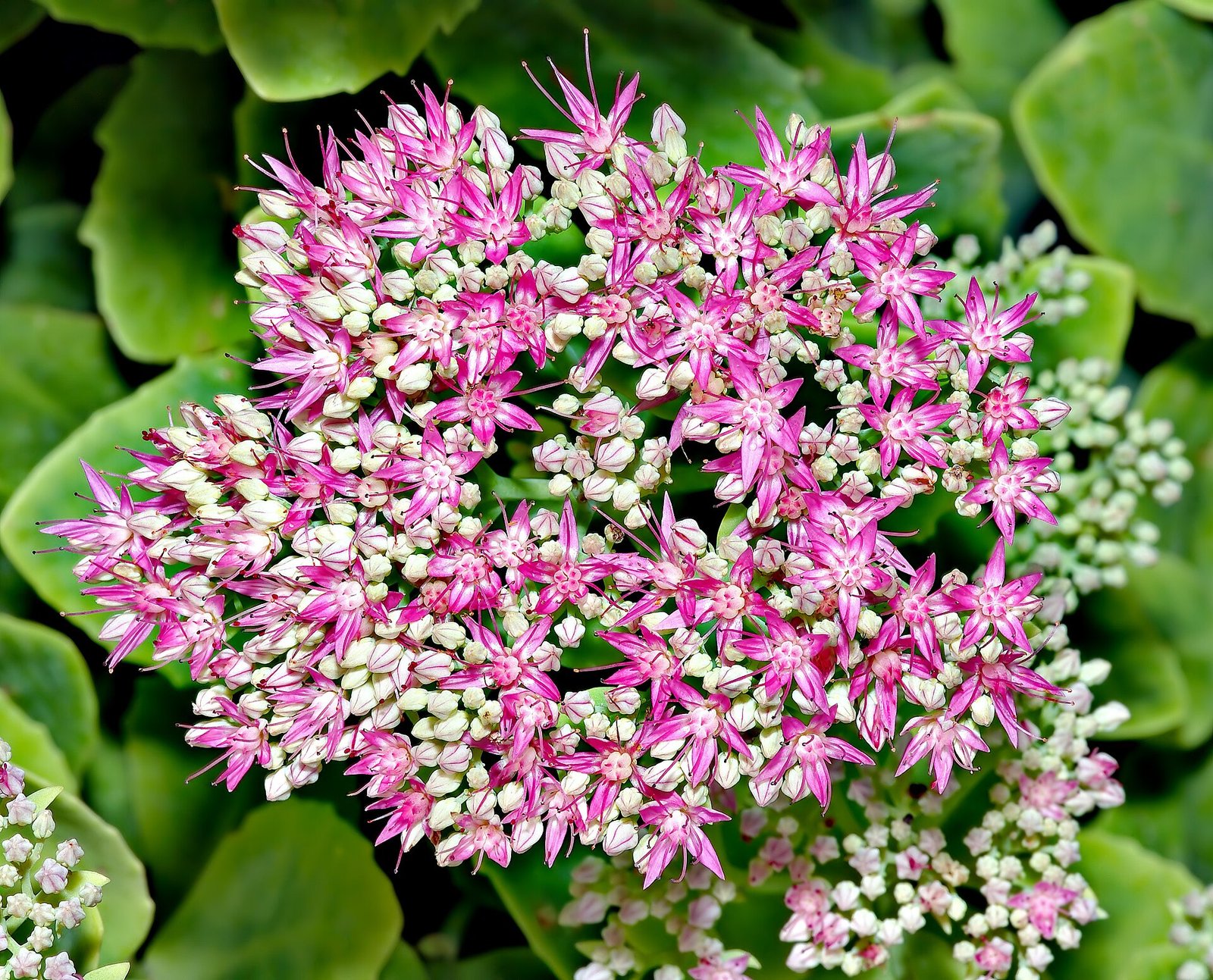
Sedum
Succulent foliage means it's genuinely hard to underwater.
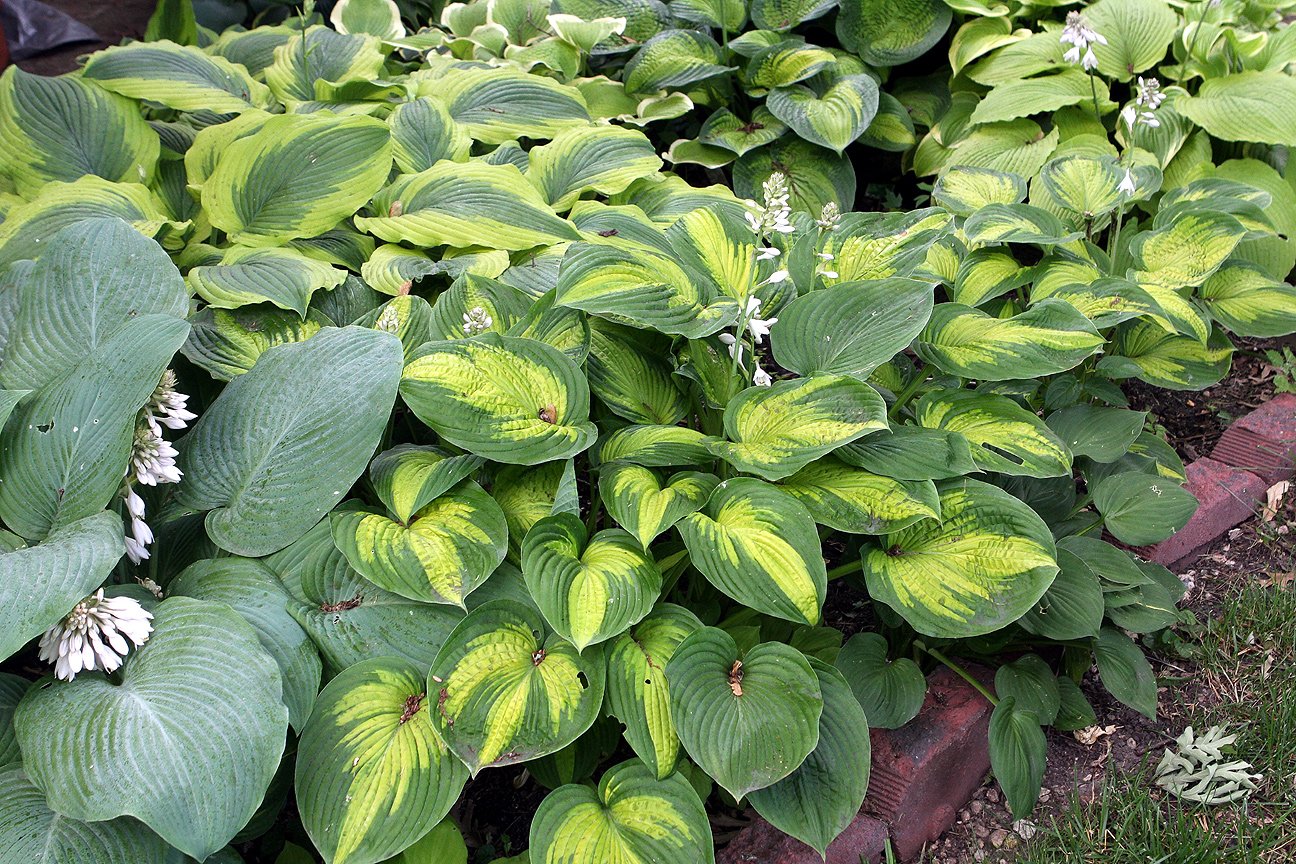
Hosta
A forgiving choice if your only spot is shaded.
A Simple First-Year Plan
Pick two or three of the plants above rather than a long wishlist — a small bed you can actually keep an eye on teaches you more than a large one you can't. Water new plants two to three times a week for the first month unless it rains, then taper as roots establish, checking soil moisture rather than watering on autopilot. Resist the urge to fertilize heavily; average garden soil with a bit of compost worked in is enough for all four of these plants in their first year.
What to Expect Each Season
Year one: modest top growth, possibly a few flowers, most of the plant's energy going into roots you can't see. Year two: noticeably fuller, more flowers, better able to handle a dry week without wilting. Year three onward: full size, peak bloom, and for clump-forming plants like daylily and black-eyed Susan, likely ready for their first division.
Frequently Asked Questions
What's the single easiest perennial flower for a total beginner?
Daylily. It tolerates a wide range of soil and light, survives inconsistent watering better than most perennials, and is hardy in zones 3 through 9, which covers most of the continental US.
Do beginner perennials need any special soil?
No — all four plants above do fine in average, unamended garden soil. Working a couple inches of compost into the top layer before planting helps but isn't required for any of them.