Perennial Flowers for Fall
Fall-blooming perennials matter for two practical reasons: they keep a garden from going visually flat once summer bloomers fade, and they're one of the last reliable food sources for bees and butterflies stocking up before winter or migrating south.
Perennials That Carry Color Into Fall
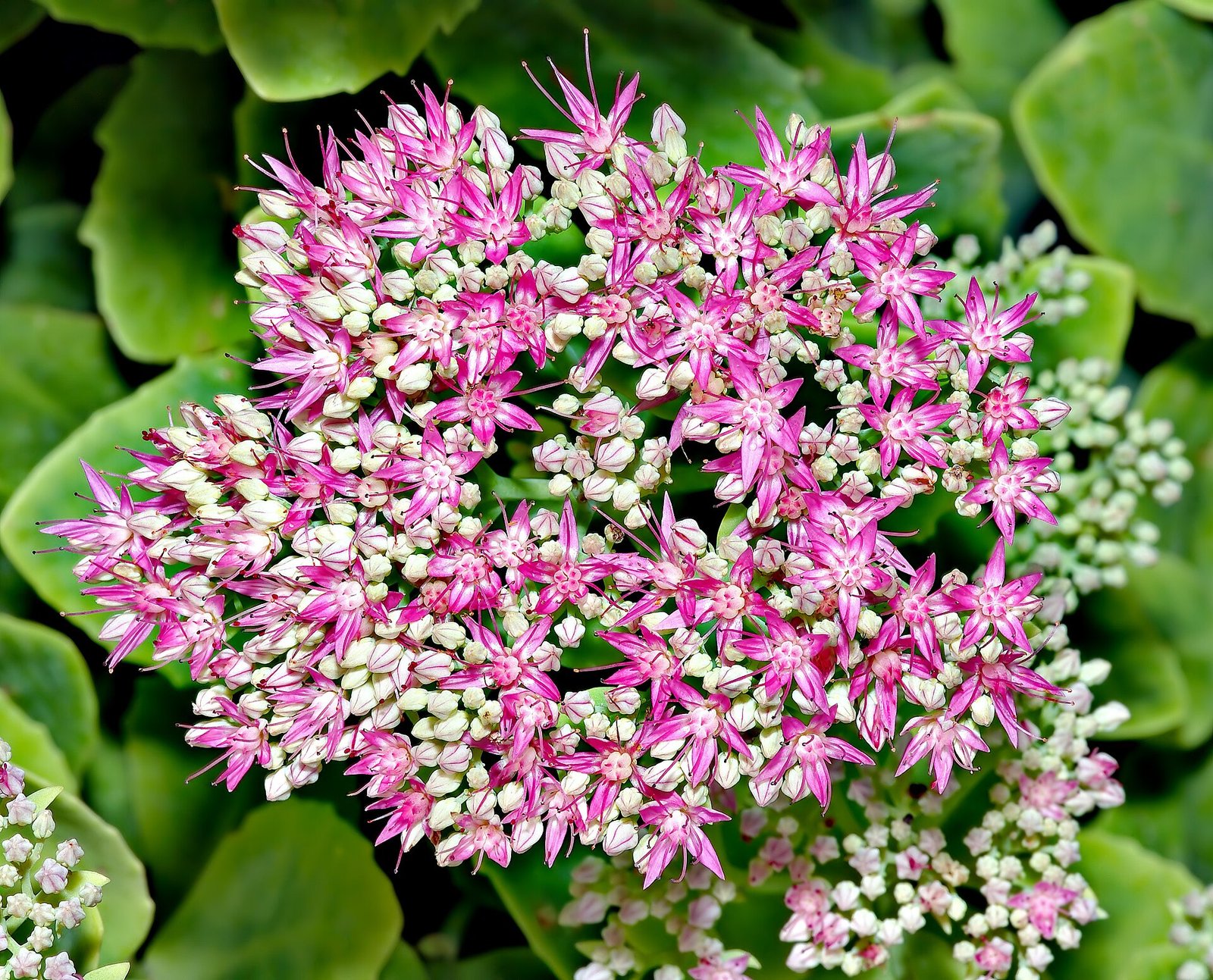
Sedum (Stonecrop)
The signature fall perennial — flower heads deepen from pink to rust as temperatures drop.
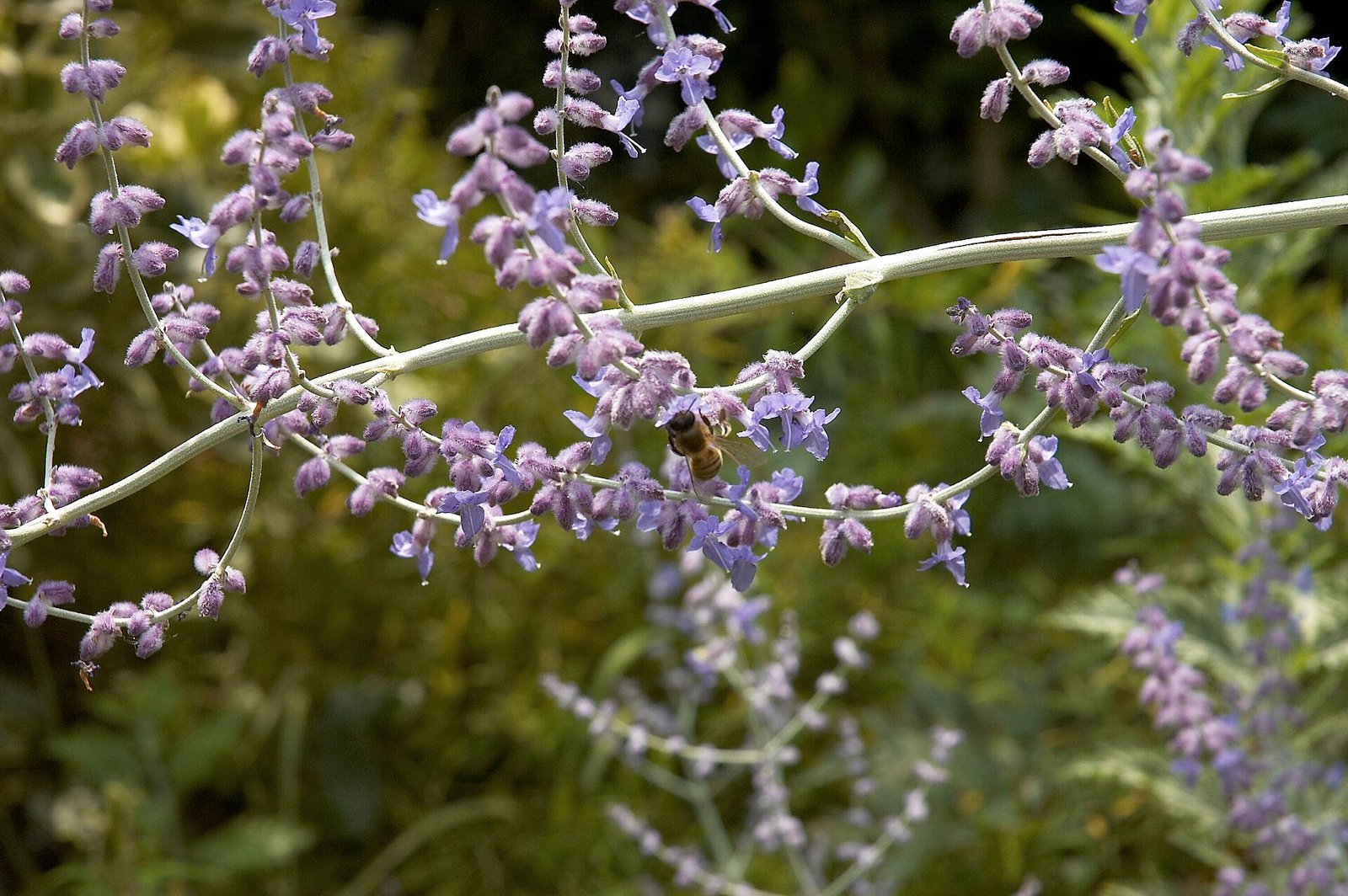
Russian Sage
Often still flowering well into October in milder climates.
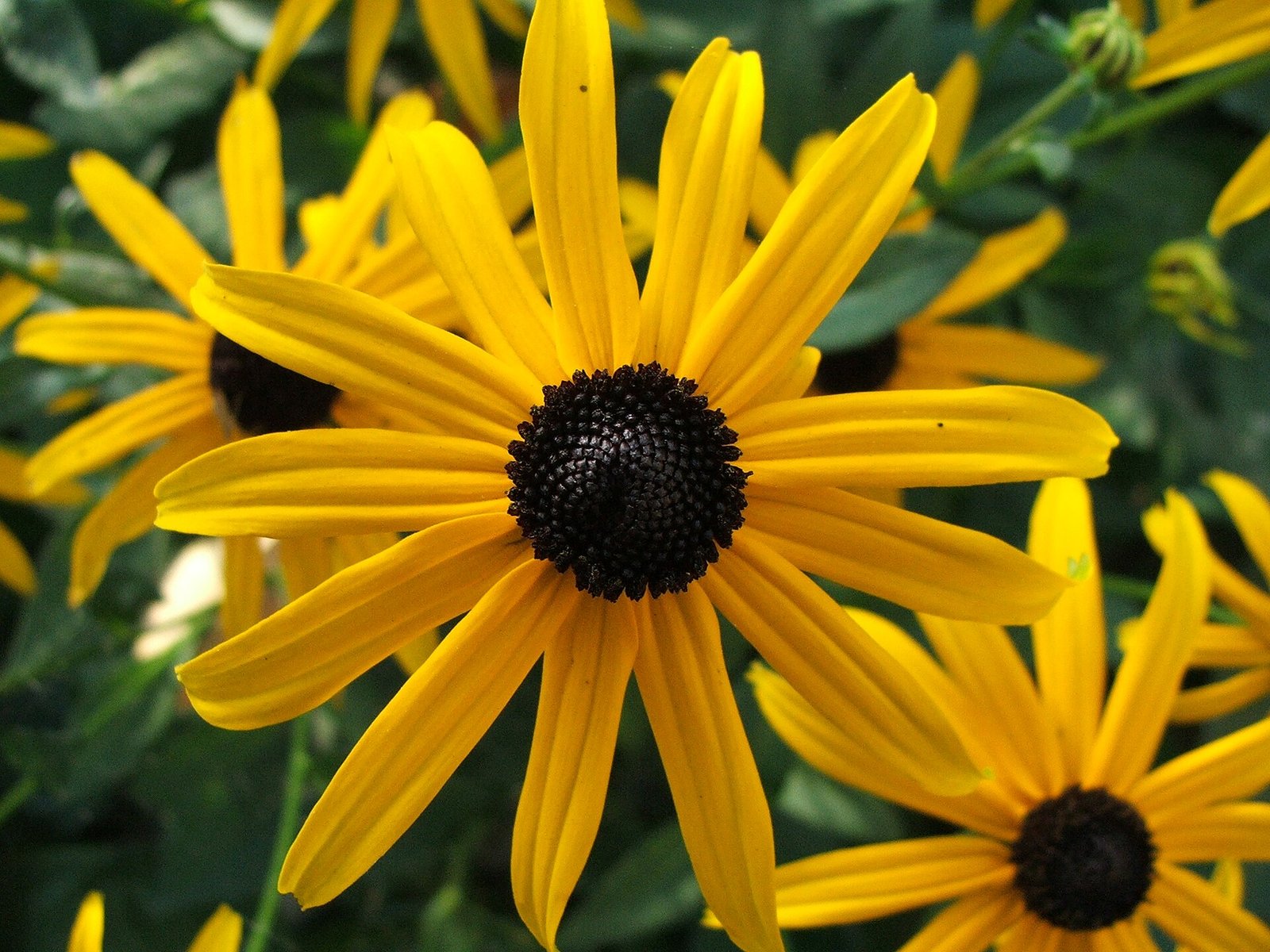
Black-Eyed Susan
One of the longest-running bloomers, often going until the first hard frost.
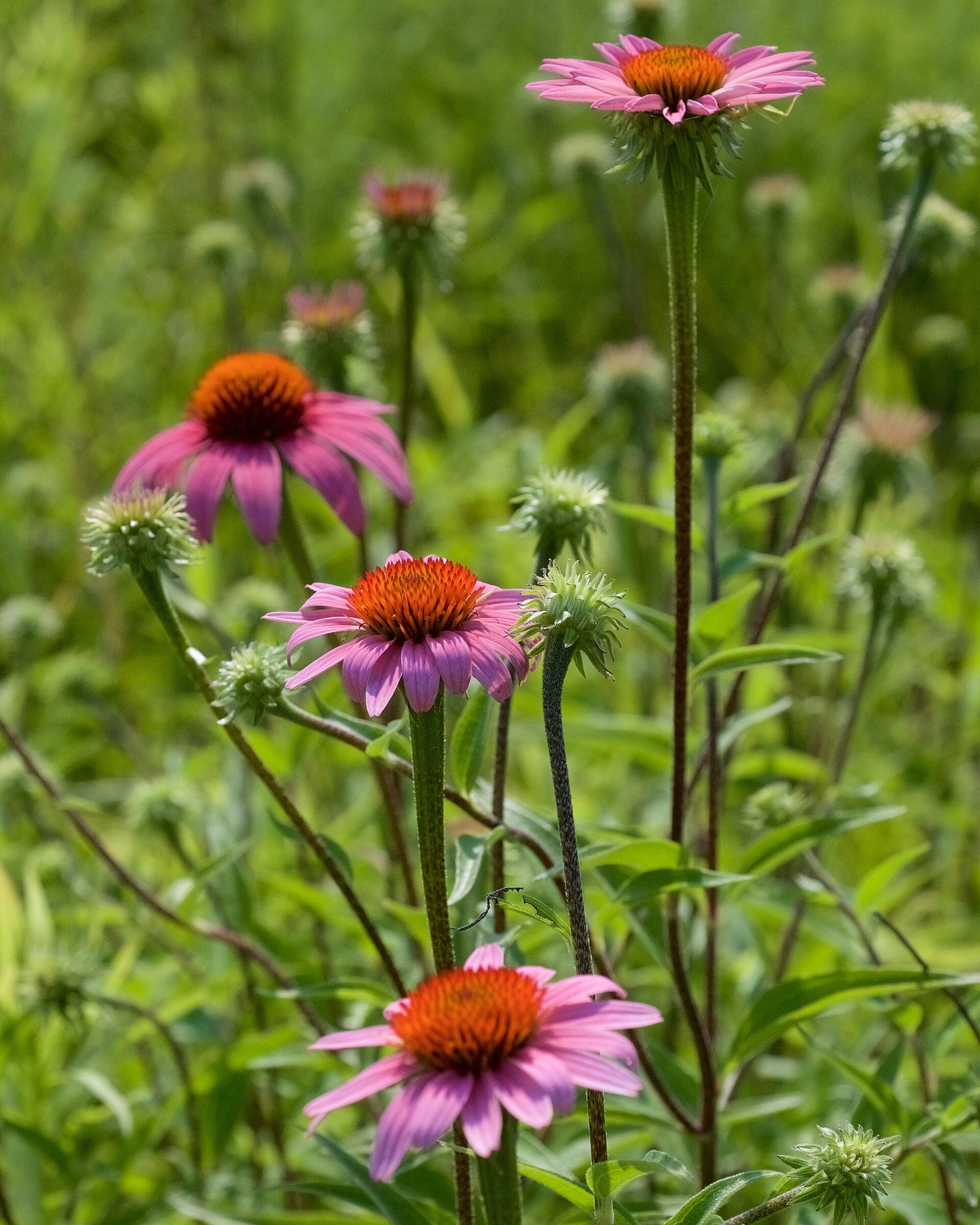
Purple Coneflower
Late bloom continues into fall, and spent seed heads feed finches.
Asters and goldenrod are the other classic fall perennials worth researching if you want to build out a dedicated autumn section of the garden — both are widely available and, along with sedum, form the backbone of most fall pollinator gardens.
Why Fall Bloom Matters for Pollinators
Bees are still active well into fall in most climates, building up stores or, for bumblebee queens, feeding before finding a place to overwinter. Monarch butterflies migrating south in September and October rely heavily on late-season nectar sources like sedum and goldenrod to fuel the trip. A garden with nothing blooming after August isn't just visually quieter — it's also less useful to the pollinators that depend on continuous nectar availability through the whole growing season.
Fall Cleanup: Cut Back or Leave Standing?
There's a real tradeoff here, not a single right answer. Cutting perennials back in fall tidies the garden immediately and can reduce overwintering sites for some pest insects and fungal spores on diseased foliage. Leaving stems and seed heads standing over winter provides food for birds, shelter for overwintering native bees and other beneficial insects that use hollow stems, and a bit of visual structure in an otherwise bare winter garden. Many gardeners split the difference: cut back anything that had a disease problem that year, and leave the rest — particularly coneflower and black-eyed Susan seed heads — standing until early spring.
Planting Perennials in Fall
Early fall, roughly six weeks before your area's average first frost, is a genuinely good planting window. Cooler air temperatures reduce transplant stress compared to summer planting, while soil is still warm enough for roots to grow and establish before winter dormancy. Water new fall plantings regularly until the ground freezes, and add a couple inches of mulch after the first hard frost to buffer the soil against freeze-thaw cycles that can heave shallow-rooted new plants out of the ground.
Frequently Asked Questions
Is it too late to plant perennials in fall?
Not if you plant at least four to six weeks before your first hard frost, giving roots time to establish before the ground freezes. Planting right before or during a hard freeze is riskier and better avoided.
Should I cut back my perennials before winter?
It's optional, not required. Cutting back tidies the bed and can reduce disease carryover on plants that struggled with fungal problems that season. Leaving stems standing feeds birds and shelters overwintering insects. Either choice is reasonable — many gardeners do a mix based on which plants had problems that year.