Daylily
Hemerocallis takes its common name literally — each individual trumpet-shaped flower opens in the morning and withers by the following day. What keeps the display going is volume: a mature clump sends up multiple flower stalks (scapes), each carrying a dozen or more buds that open in succession over several weeks.
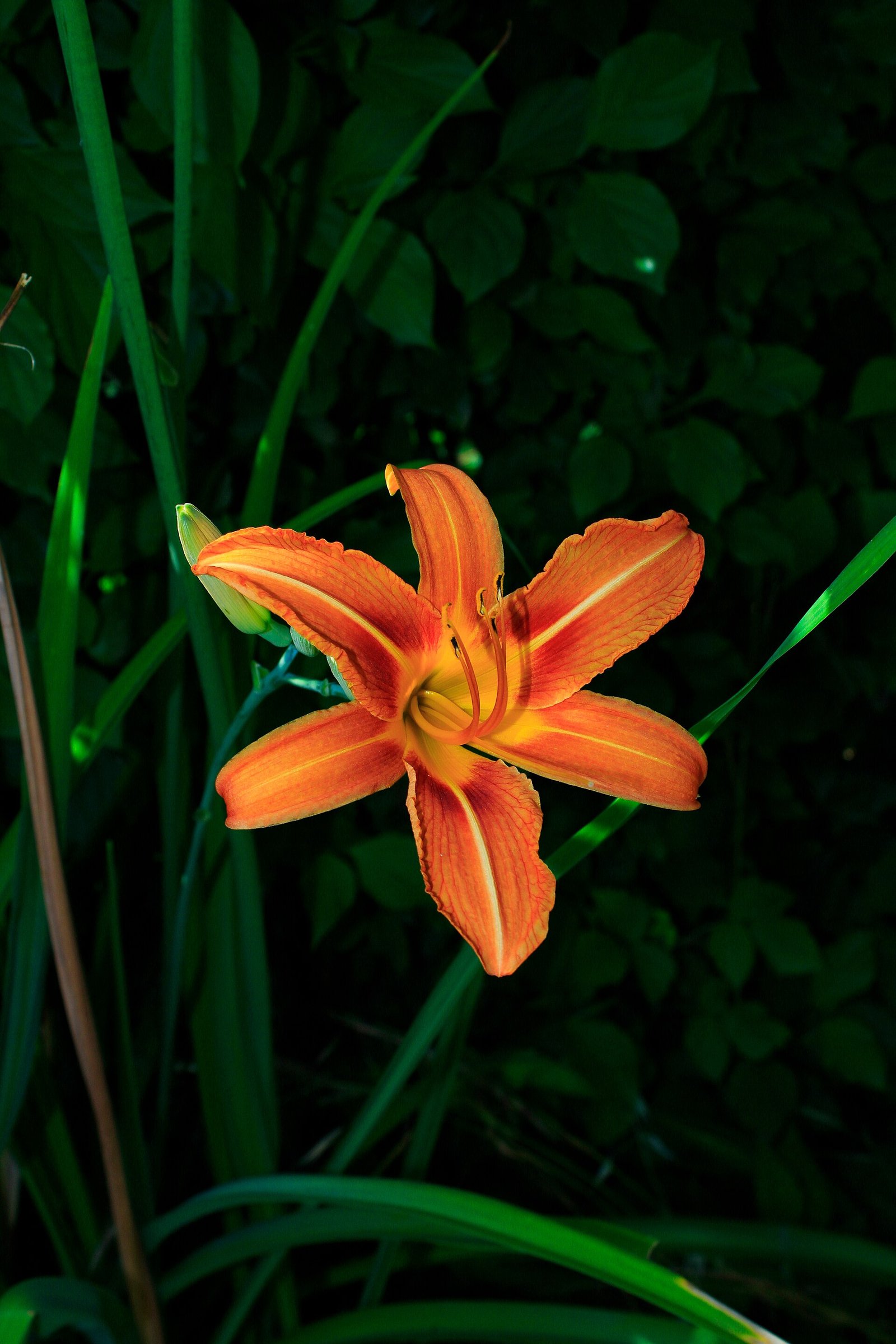
| Scientific name | Hemerocallis hybrids |
|---|---|
| USDA hardiness zones | 3–9 |
| Height | 1.5–3 ft (flower scapes may reach taller) |
| Width | 1.5–2 ft |
| Bloom period | Early to midsummer; reblooming varieties extend into fall |
| Flower color | Nearly every color except true blue and pure white |
| Sun requirements | Full sun; tolerates light shade with reduced bloom |
| Soil requirements | Tolerant of nearly any soil type |
| Water requirements | Moderate; tolerates some drought once established |
| Maintenance level | Low |
Planting Daylily
Plant in spring or fall in full sun and virtually any soil that drains adequately — daylily is one of the least particular perennials about soil quality on this site. Space plants 18 to 24 inches apart; a vigorous clump can double in size within two to three years.
Watering
Water consistently through the first season. Established daylilies tolerate dry spells reasonably well, though regular water during bud formation and bloom noticeably improves flower count and size.
Fertilizing
A light spring feeding with a balanced fertilizer supports strong bloom, but daylily performs adequately in average soil without any fertilizer at all.
Deadheading and Pruning
Removing spent flowers daily is purely cosmetic — it doesn't affect future blooming, since each scape's remaining buds open regardless. Cutting off entire spent scapes once all buds on them have finished keeps the plant tidier. Cut foliage back after it yellows in fall.
Propagation
Divide clumps every four to six years, or sooner if bloom noticeably declines — a sign the clump has become overcrowded. Division is easy: dig the whole clump and pull or cut it into smaller sections, each with several fans of foliage attached to roots.
Common Pests and Diseases
Generally trouble-free. Daylily leaf streak, a fungal disease causing yellow streaking on foliage, occasionally appears but rarely threatens the plant's survival. Deer will browse the buds and flowers in areas with heavy deer pressure, sometimes stripping a plant of bloom just before it opens.
Winter Care
Fully hardy within its zone range with no special protection needed. Evergreen daylily varieties, more common in warmer zones, may hold some foliage through mild winters.
Companion Plants
Its strappy foliage and upright form pair well with the different textures of coneflower and Russian sage, both of which share its sun and soil tolerance.
Garden Uses and Benefits
One of the most reliable perennials for difficult sites — slopes, roadside plantings, areas with poor soil — and a strong choice for beginner gardeners. Reblooming cultivars are a genuine option if long bloom is a priority; see our guide to perennials that bloom all summer.
Potential Problems
- Reduced bloom in an overcrowded, undivided clump
- Deer browsing on buds and flowers
- Older, non-reblooming cultivars have a short overall bloom window (2–3 weeks) unless mixed with different-timed varieties
Frequently Asked Questions
Do I need to deadhead daylily every day?
No, it's optional. Removing spent blooms daily is purely for appearance and doesn't affect how many new flowers open, since each flower stalk's remaining buds open on their own schedule regardless of whether old flowers are removed.
What's the difference between a reblooming and non-reblooming daylily?
A standard daylily produces one flush of flower scapes and blooms for roughly two to three weeks. A "reblooming" or "everblooming" cultivar sends up additional scapes throughout the season, extending bloom to two months or more — check the plant tag or catalog description, since this trait varies by cultivar, not by daylily in general.