Perennial Flowers for Butterflies
A butterfly garden built entirely from nectar-rich perennials will attract adult butterflies to feed, but it won't necessarily give them anywhere to lay eggs or raise caterpillars. Both pieces matter if the goal is supporting butterflies, not just watching them pass through.
Nectar Plants: What Adult Butterflies Feed On
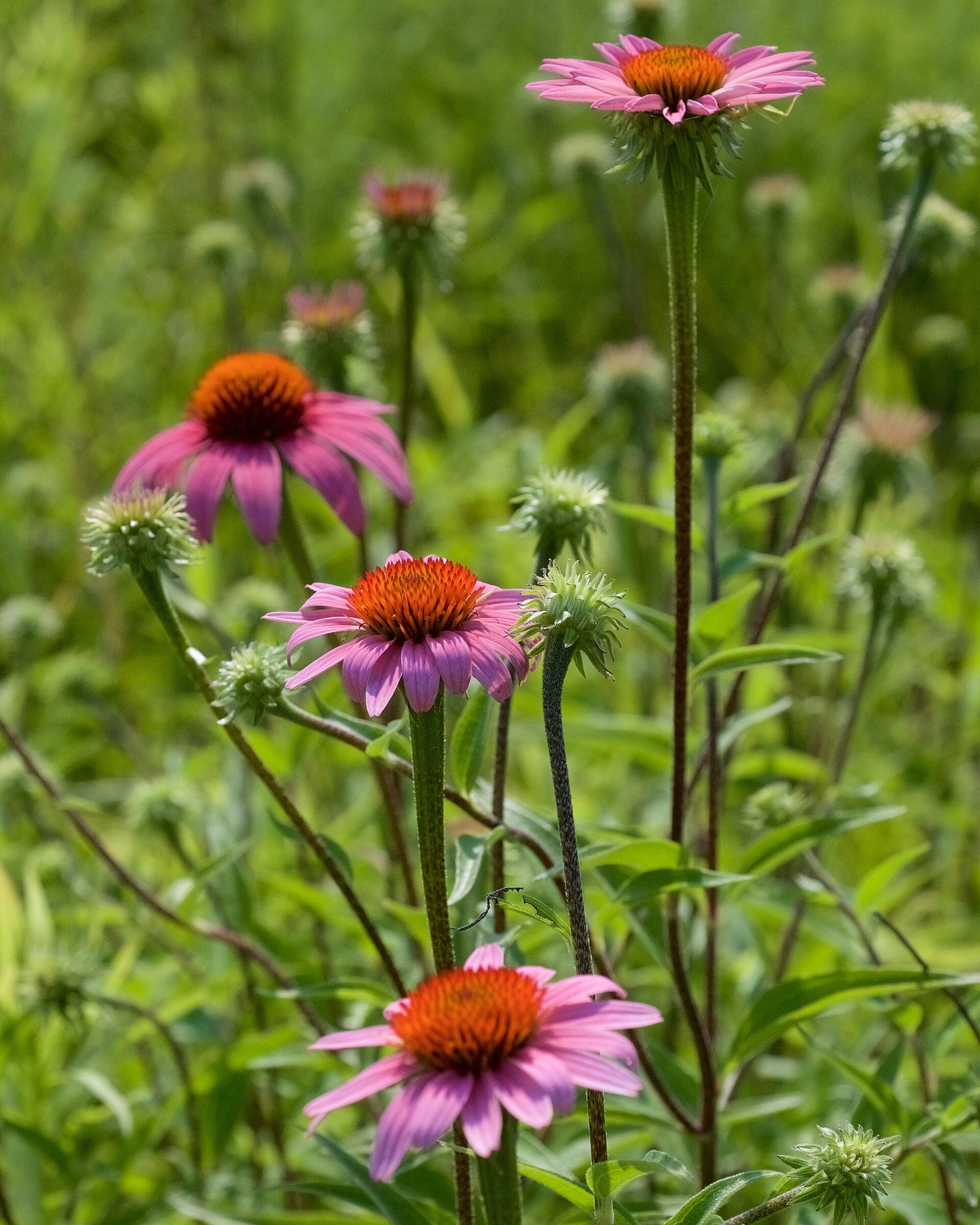
Purple Coneflower
A flat, open bloom shape that's easy for butterflies to land and feed on.
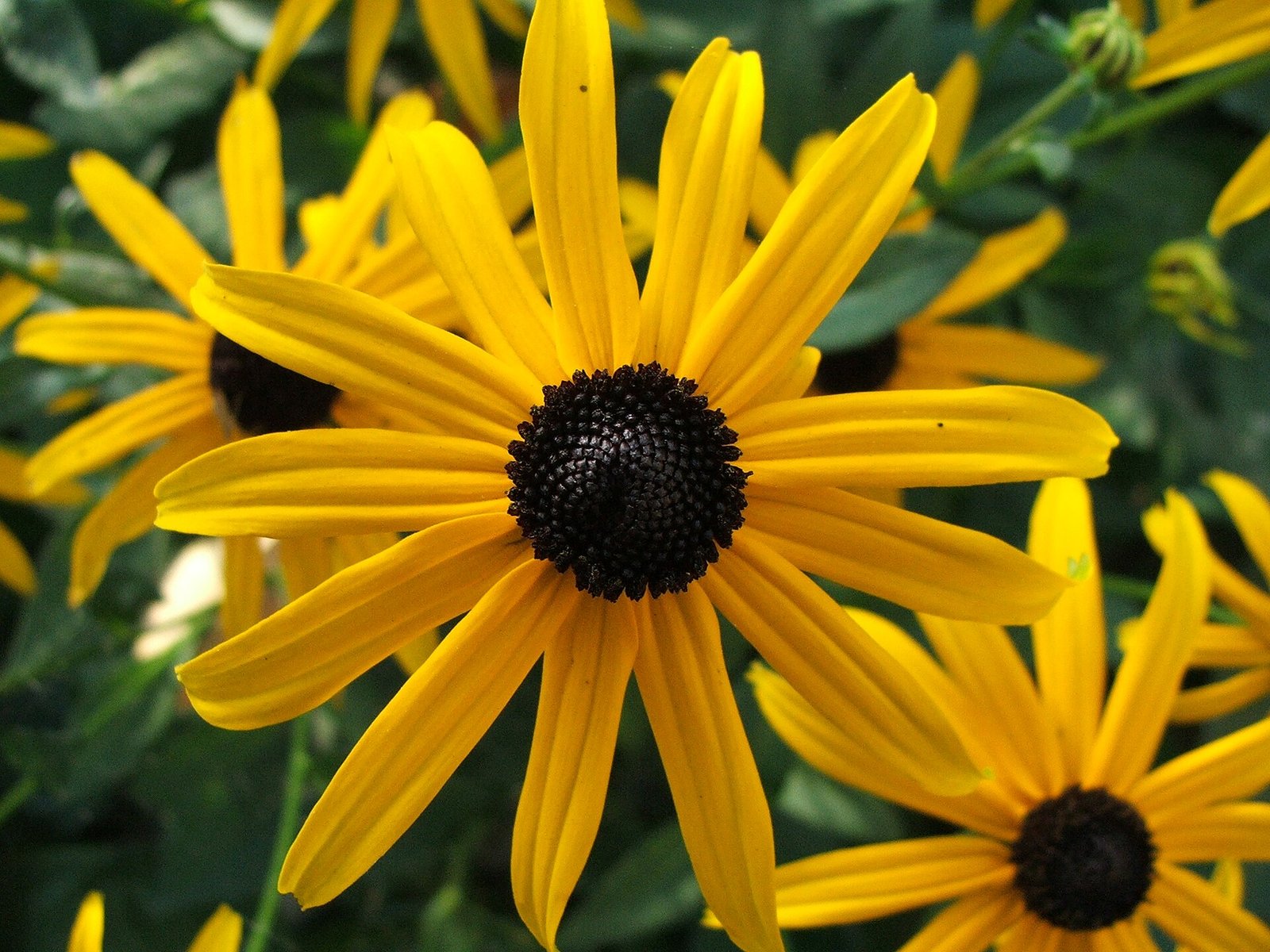
Black-Eyed Susan
Long bloom season keeps nectar available for months.
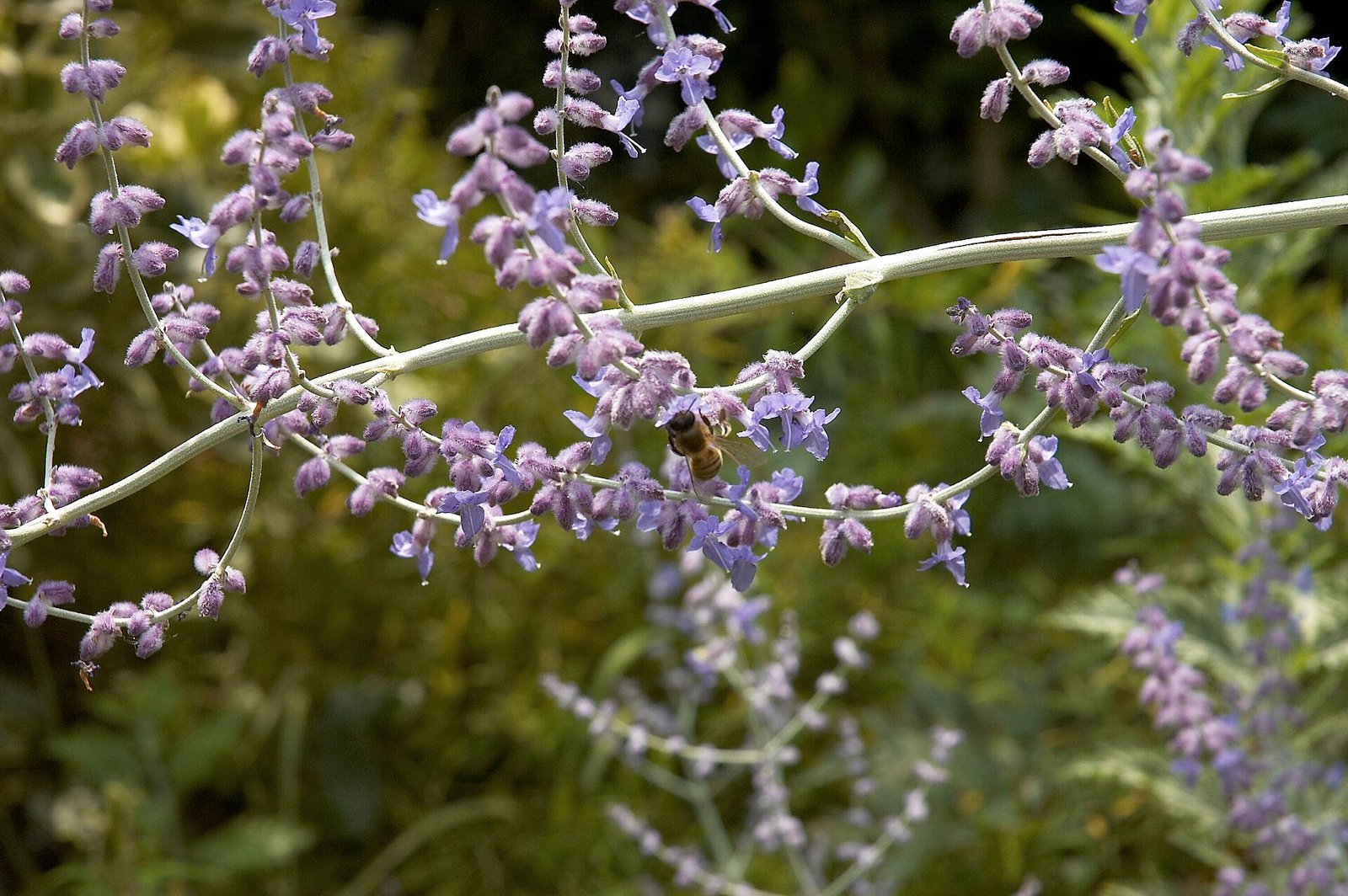
Russian Sage
Small tubular flowers on tall spikes; a magnet for swallowtails.
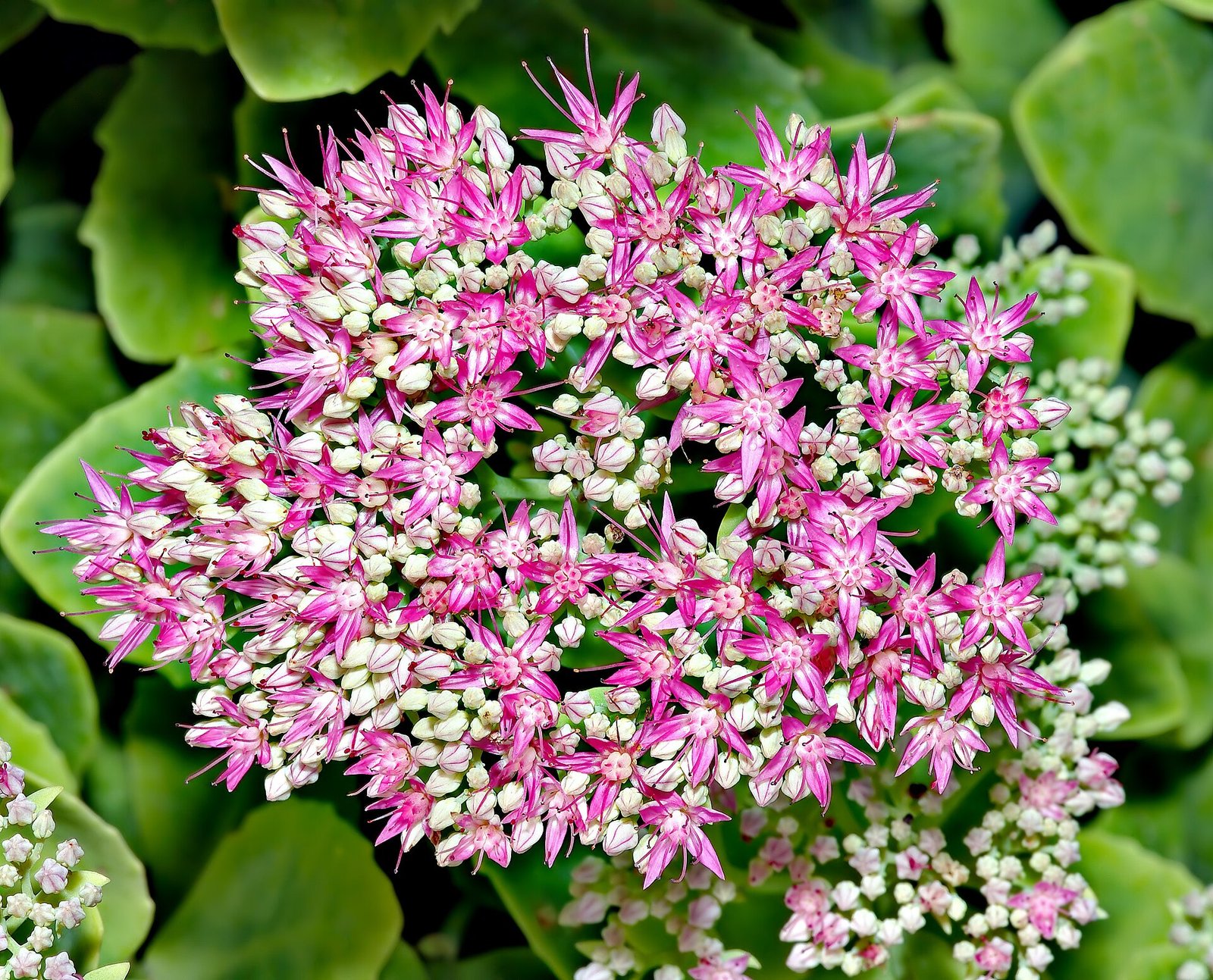
Sedum
Fall bloom timing makes it valuable for migrating monarchs.
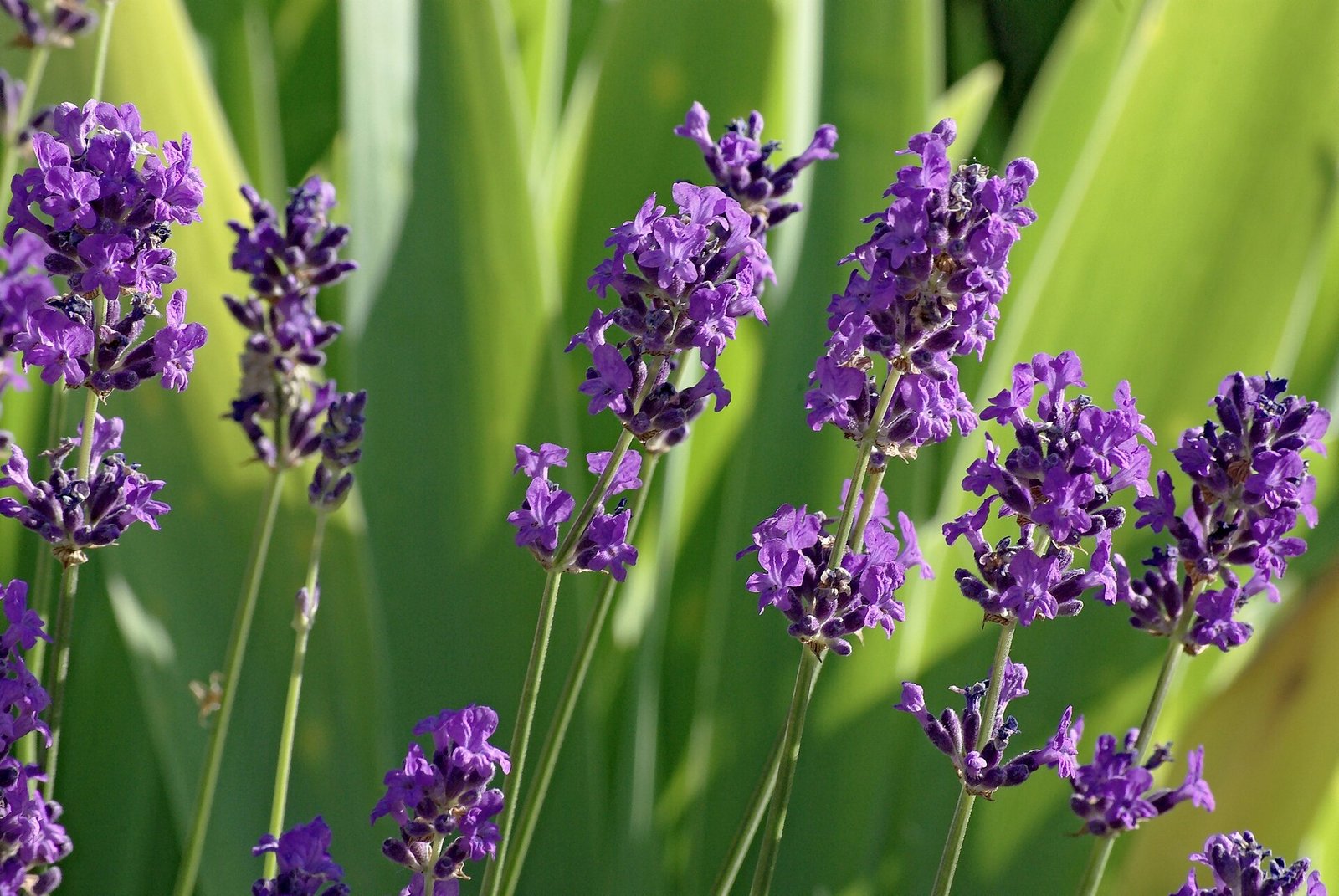
Lavender
Strong fragrance and nectar draw both butterflies and bees.
Nectar Plants Aren't the Whole Picture: Host Plants Matter Too
Butterflies need specific host plants to lay eggs on, because caterpillars of most species can only eat the leaves of a narrow range of plants — monarch caterpillars, famously, eat only milkweed. None of the ten flower profiles on this site are host plants for common butterfly species; they're valuable nectar sources for adults but won't support a full life cycle on their own. If raising butterflies, not just feeding them, is the goal, research host plants for the species common in your region — milkweed for monarchs, dill or fennel for swallowtails — and plant those alongside a nectar-rich perennial bed.
Garden Habits That Undo the Work
What hurts butterfly populations
- Broad-spectrum insecticides, which don't distinguish between pest insects and butterflies or their caterpillars
- Aggressive fall cleanup that removes chrysalises overwintering in leaf litter or on plant stems
- Planting only nectar sources with no host plants nearby
What helps
- Choosing pest control methods that target specific problem insects rather than blanket spraying
- Leaving some leaf litter and dead stems standing over winter
- Planting in sunny, sheltered spots — butterflies need sun for body heat and rarely feed in windy or shaded areas
- Providing a shallow dish of wet sand or mud, which butterflies use for "puddling" to get minerals
Frequently Asked Questions
Which perennial flower attracts the most butterflies?
Purple coneflower and Russian sage are consistently among the most visited perennials in most gardens, thanks to open, easy-to-land-on blooms and long bloom windows. Results vary by region and by which butterfly species are locally common.
Do I need milkweed to attract monarch butterflies?
You need milkweed if you want monarchs to lay eggs and raise caterpillars in your garden — it's their only host plant. Nectar plants like coneflower and sedum will still attract adult monarchs passing through to feed, especially sedum during fall migration, but won't support their reproduction on their own.