Drought Tolerant Perennial Flowers
"Drought tolerant" gets used loosely in plant marketing. Here's what it actually means, which perennials genuinely earn it, and the one thing almost every drought-tolerant plant still needs that catches new gardeners off guard.
What Drought Tolerant Actually Means
A drought-tolerant perennial can survive extended dry periods once its root system is fully established, typically after one full growing season in the ground. It does not mean the plant needs no water ever, and it does not mean a brand-new transplant can skip regular watering in its first weeks. Most drought tolerance comes down to root depth and structure — plants with deep taproots or extensive fibrous root systems can reach moisture well below the surface that shallow-rooted plants can't access.
Perennials That Genuinely Tolerate Drought
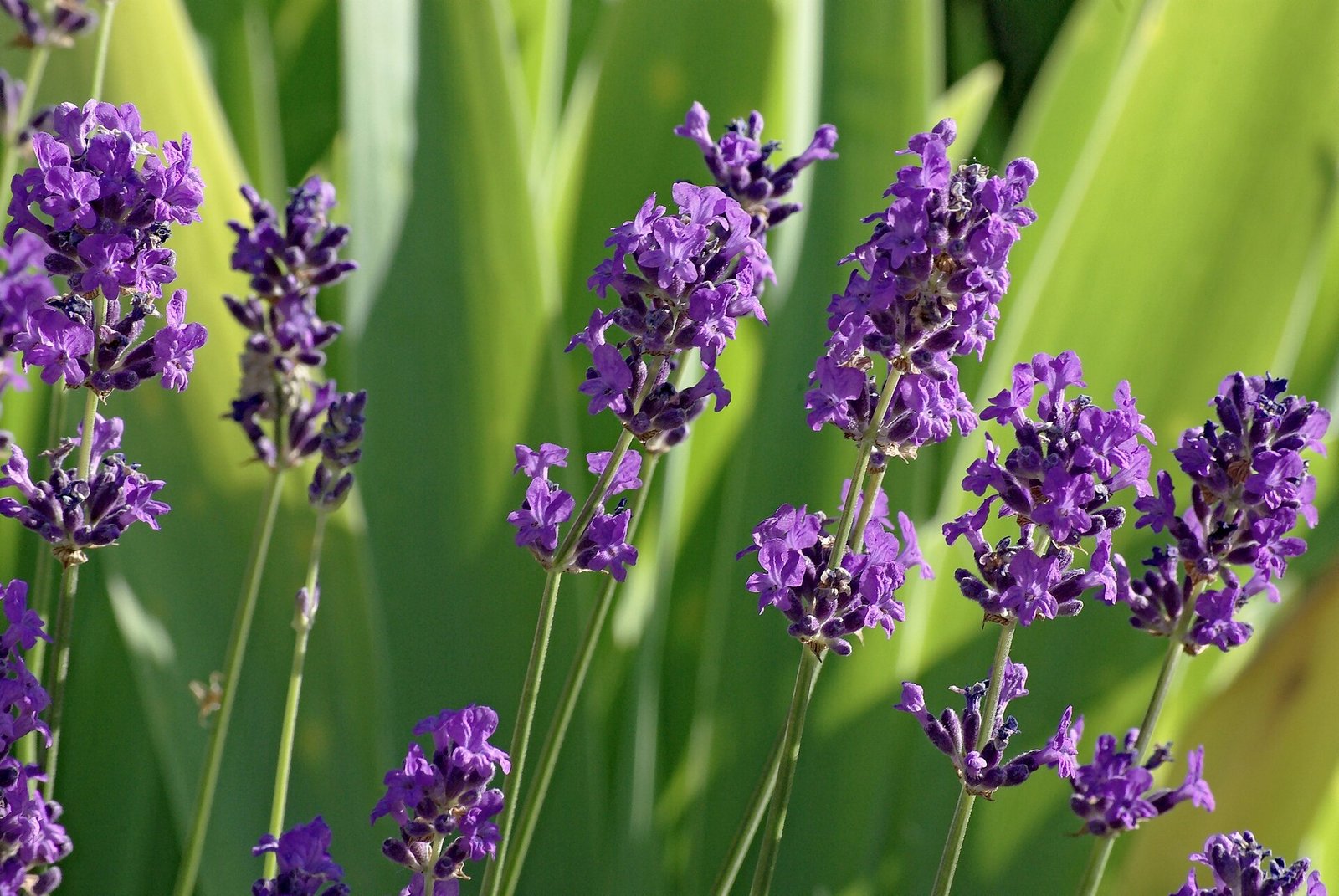
Lavender
Mediterranean native; actively prefers lean, dry, well-drained soil.
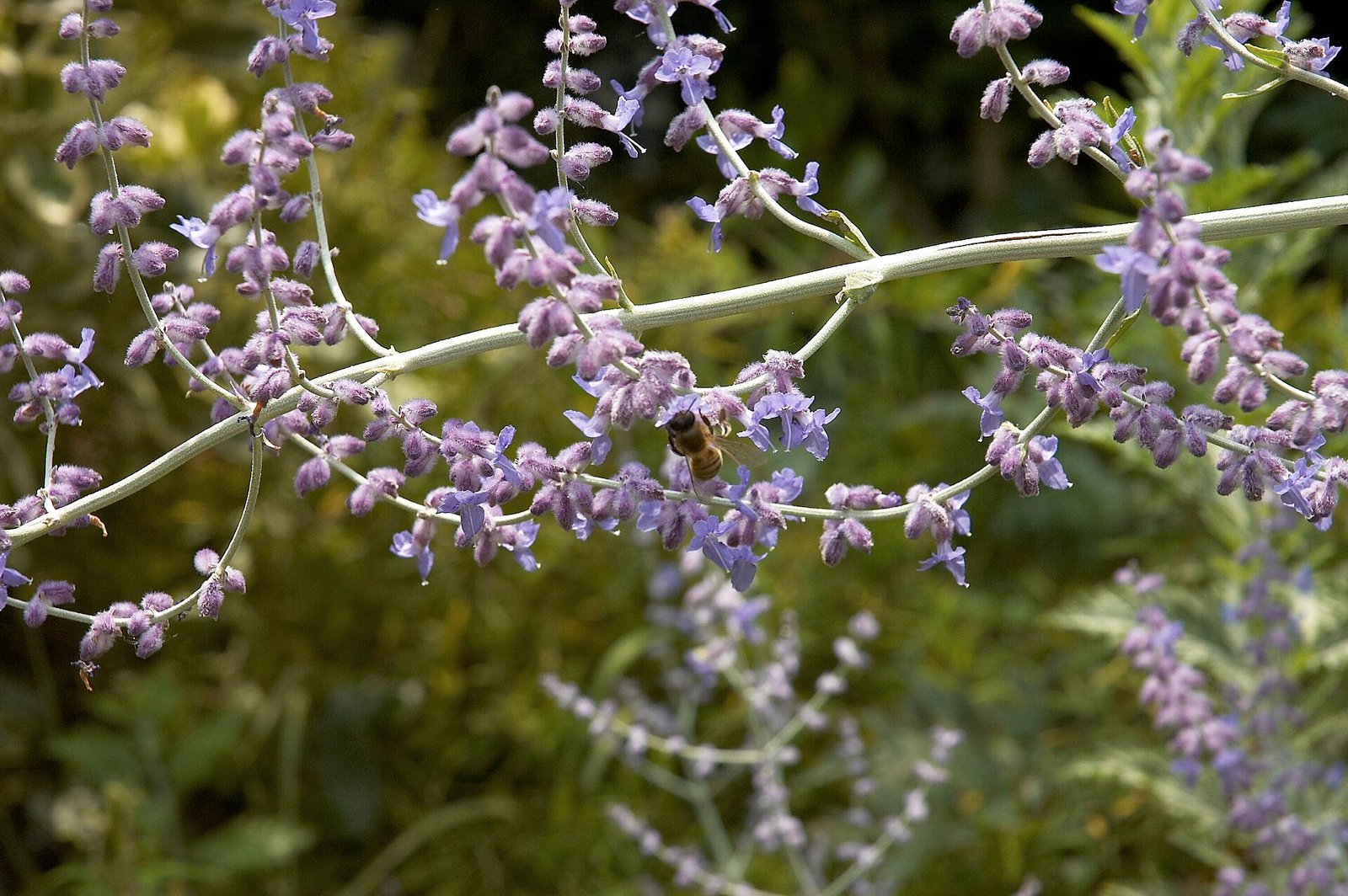
Russian Sage
One of the toughest options for hot, dry, exposed sites.
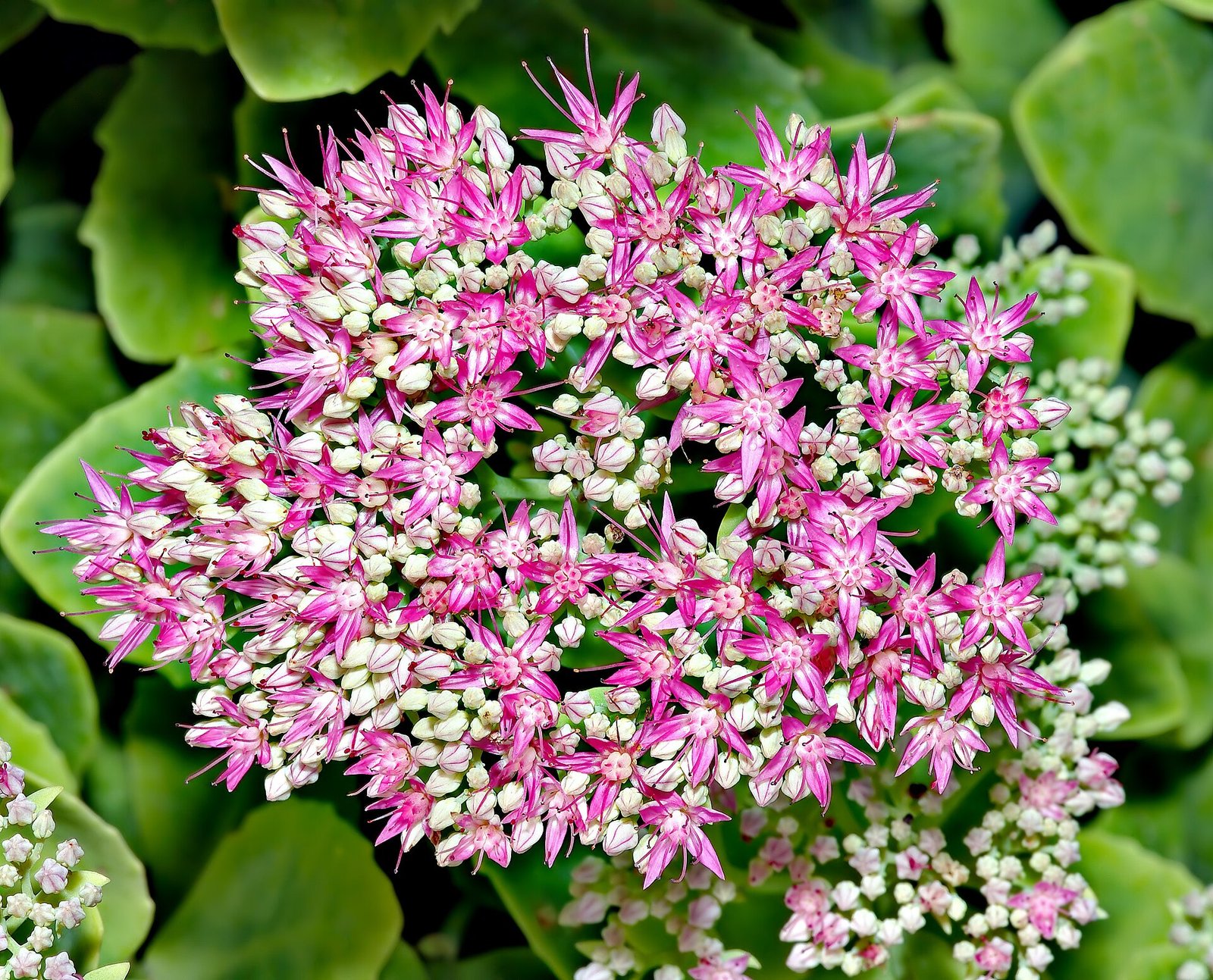
Sedum
Succulent leaves store water, making it exceptionally drought resistant.
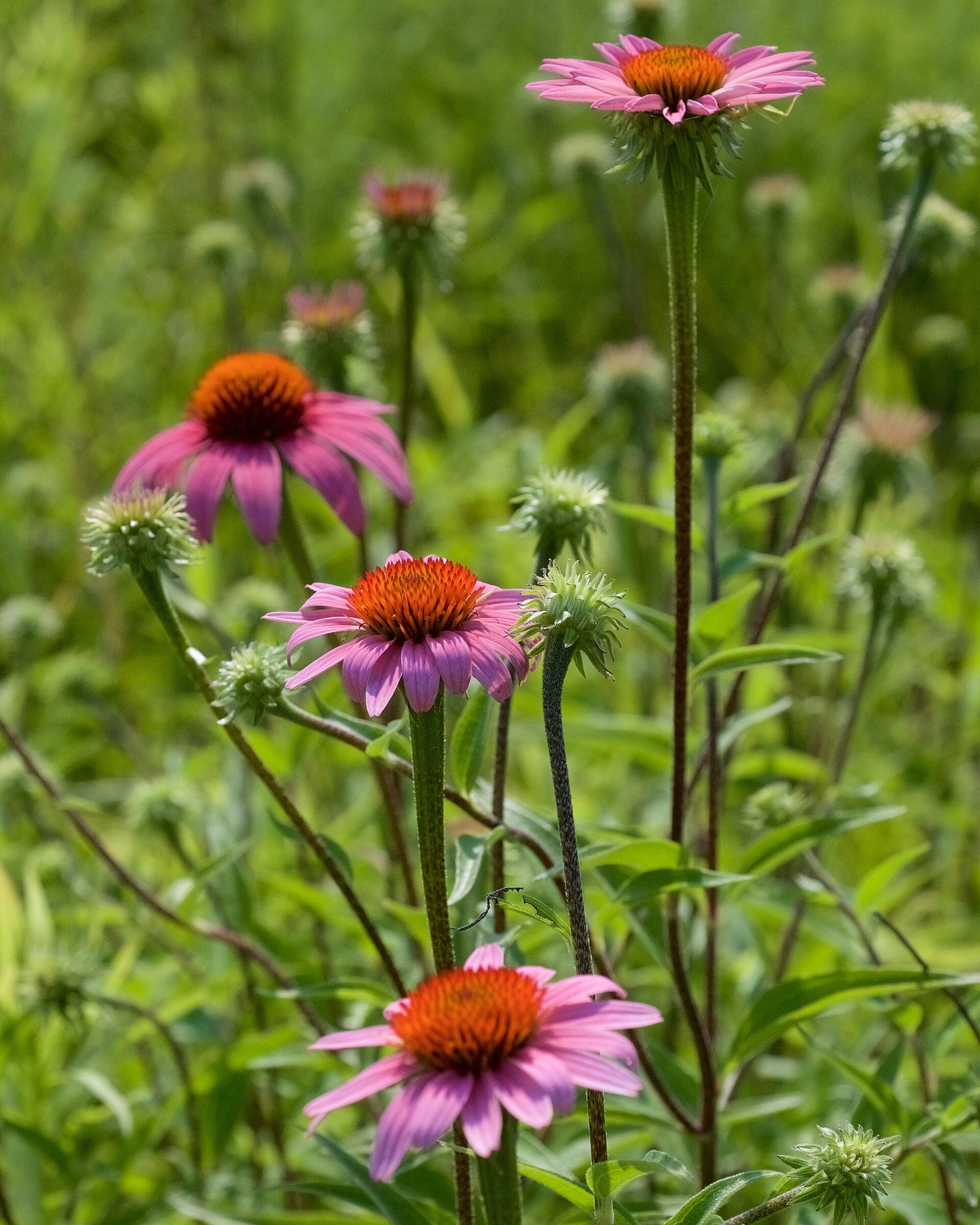
Purple Coneflower
Deep taproot from its prairie origins gives it real drought resilience.
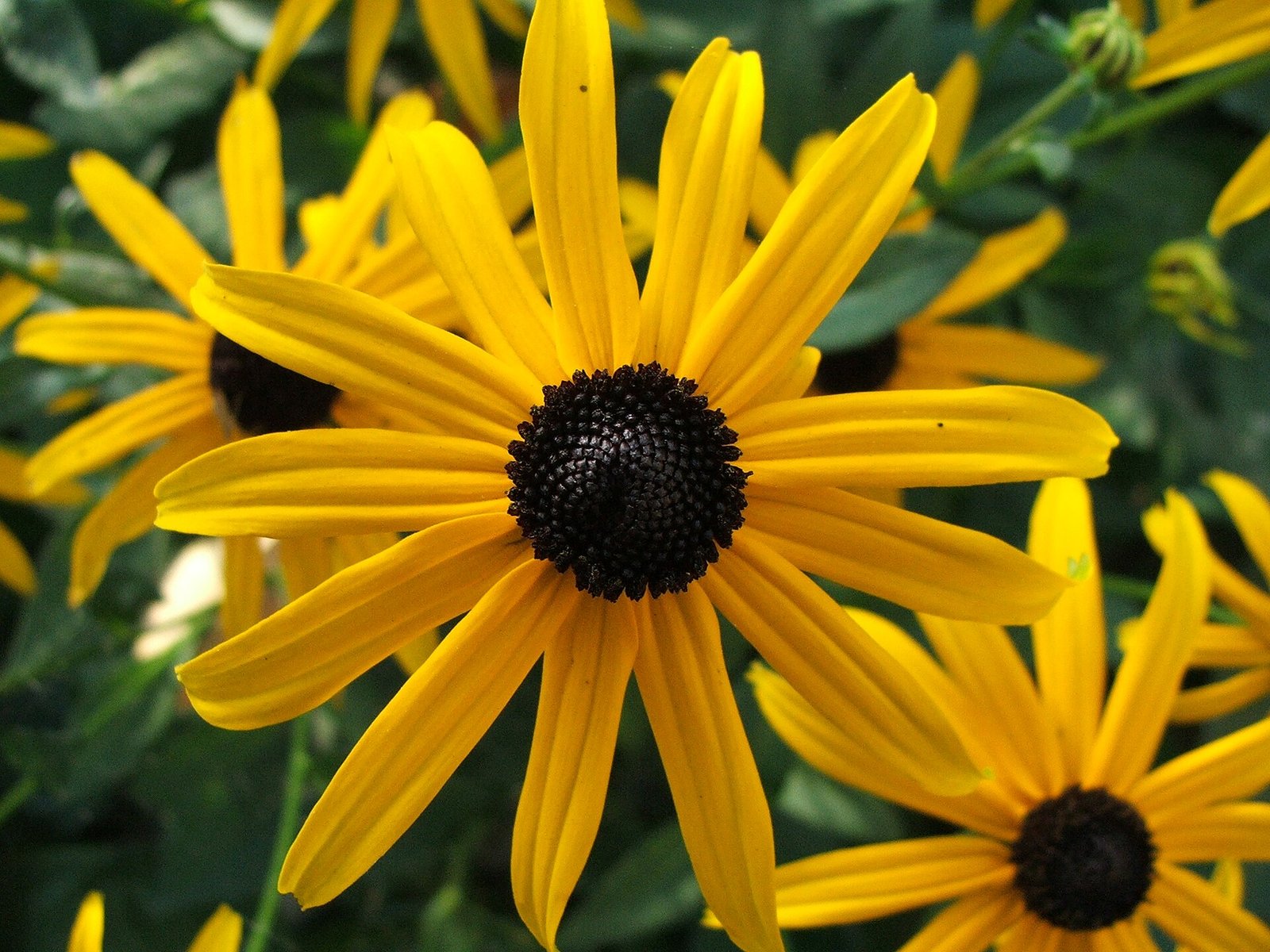
Black-Eyed Susan
Handles dry spells well, though prolonged drought can shorten its bloom window.
Daylily is moderately drought tolerant once established — it will survive a dry summer but blooms more sparsely without regular water. Hosta, astilbe and coral bells are not drought-tolerant choices; astilbe in particular needs consistent moisture and is one of the worst picks for a dry site.
Preparing Soil for Drought Tolerance
Counterintuitively, rich, heavily amended soil can work against drought tolerance in plants like lavender, Russian sage and sedum, which evolved in lean, fast-draining conditions. Overly fertile, moisture-retentive soil encourages shallow, lazy root growth and can also lead to winter rot in these species. For true drought-tolerant Mediterranean-type perennials, work sand or fine gravel into heavy clay to improve drainage rather than adding compost the way you would for a moisture-loving plant.
The First-Year Exception
Frequently Asked Questions
How long does it take for a perennial to become drought tolerant?
Generally one full growing season, sometimes longer for slower-establishing plants. Water new plantings regularly through their first spring, summer and fall; by the following year, roots are usually deep and extensive enough to handle normal dry spells without supplemental water.
Are drought-tolerant perennials also low maintenance?
Often, but not automatically — see our low-maintenance perennials guide for the distinction. Sedum and Russian sage score well on both counts. Peony, by contrast, can be relatively low maintenance but isn't especially drought tolerant.