Perennial Flowers for Summer
Summer is peak season for most garden perennials, but it's also when heat and inconsistent watering do the most damage. The plants below are chosen partly for their bloom timing and partly for how well they handle a hot, dry stretch without collapsing.
The Core Summer Lineup
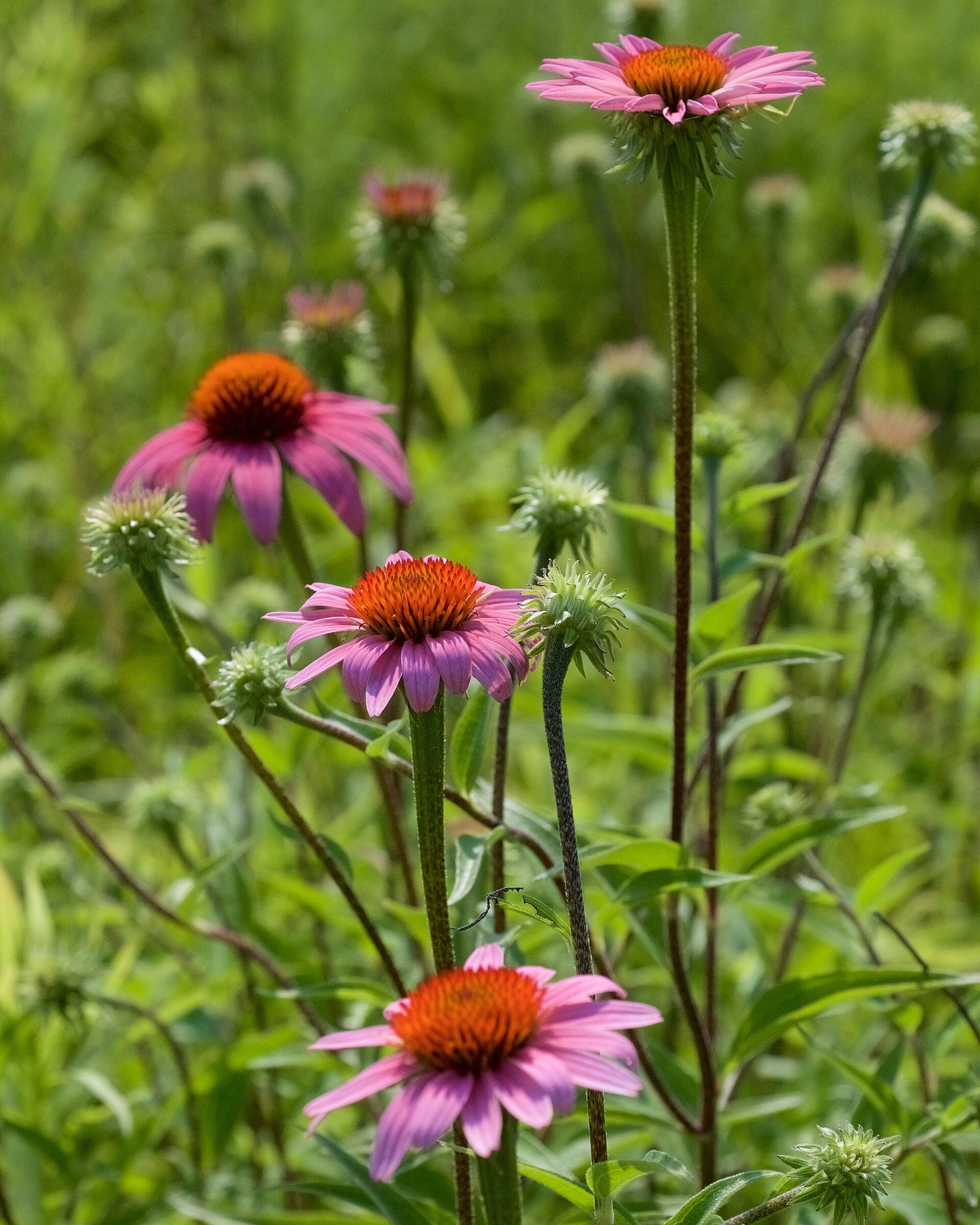
Purple Coneflower
Blooms through the hottest part of summer with little wilting.
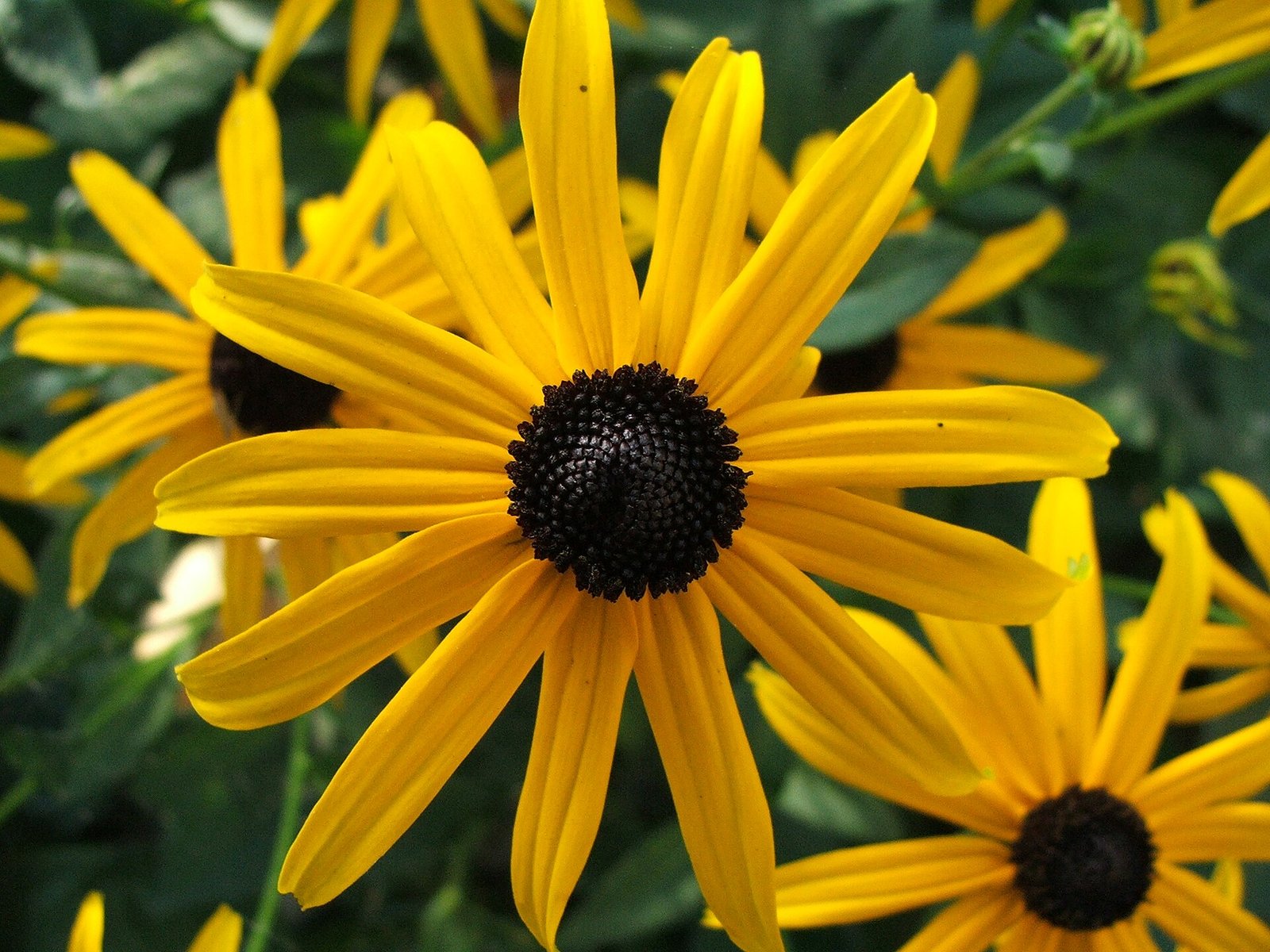
Black-Eyed Susan
Peaks in midsummer and keeps going into fall.
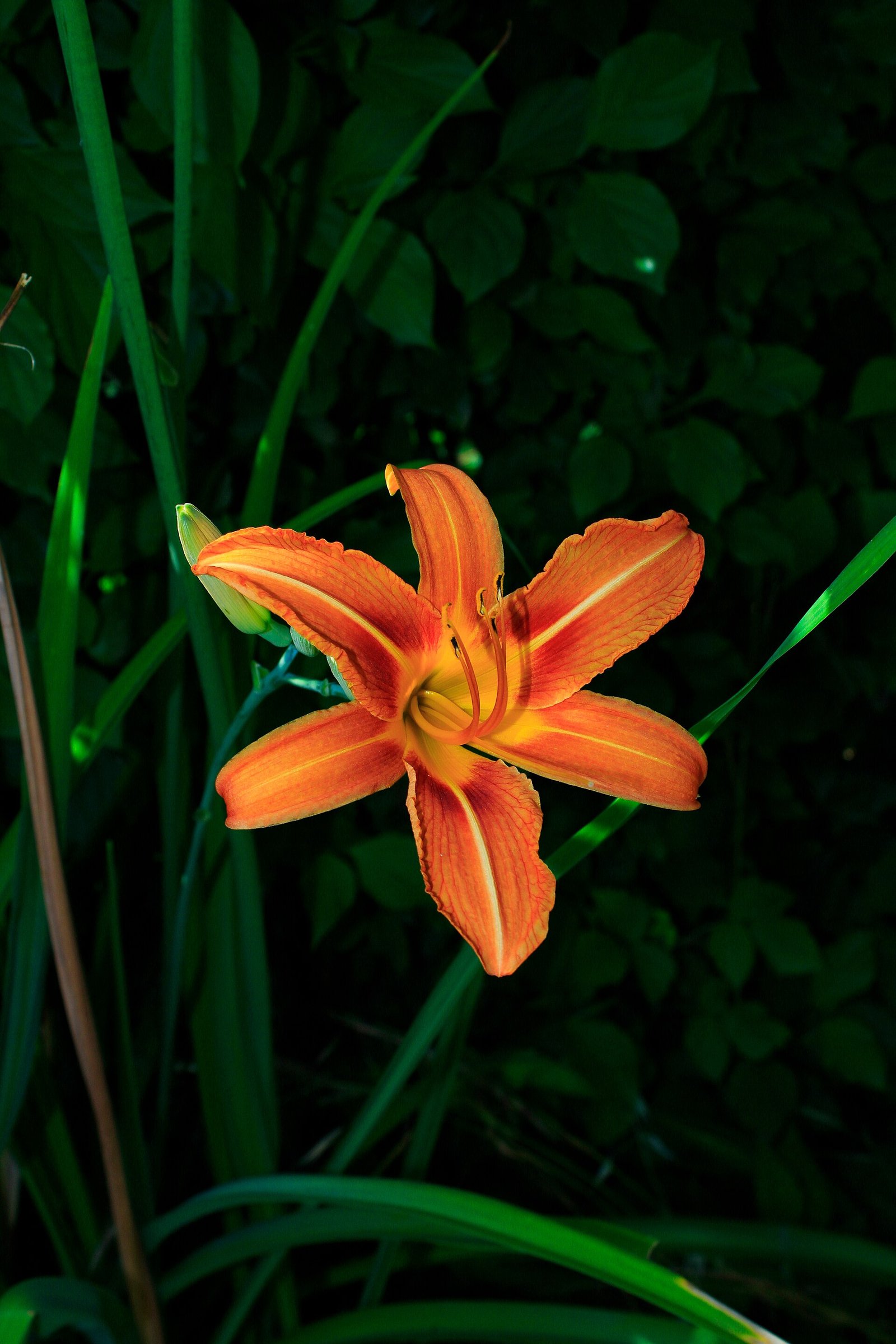
Daylily
Main bloom flush is early-to-midsummer for most varieties.
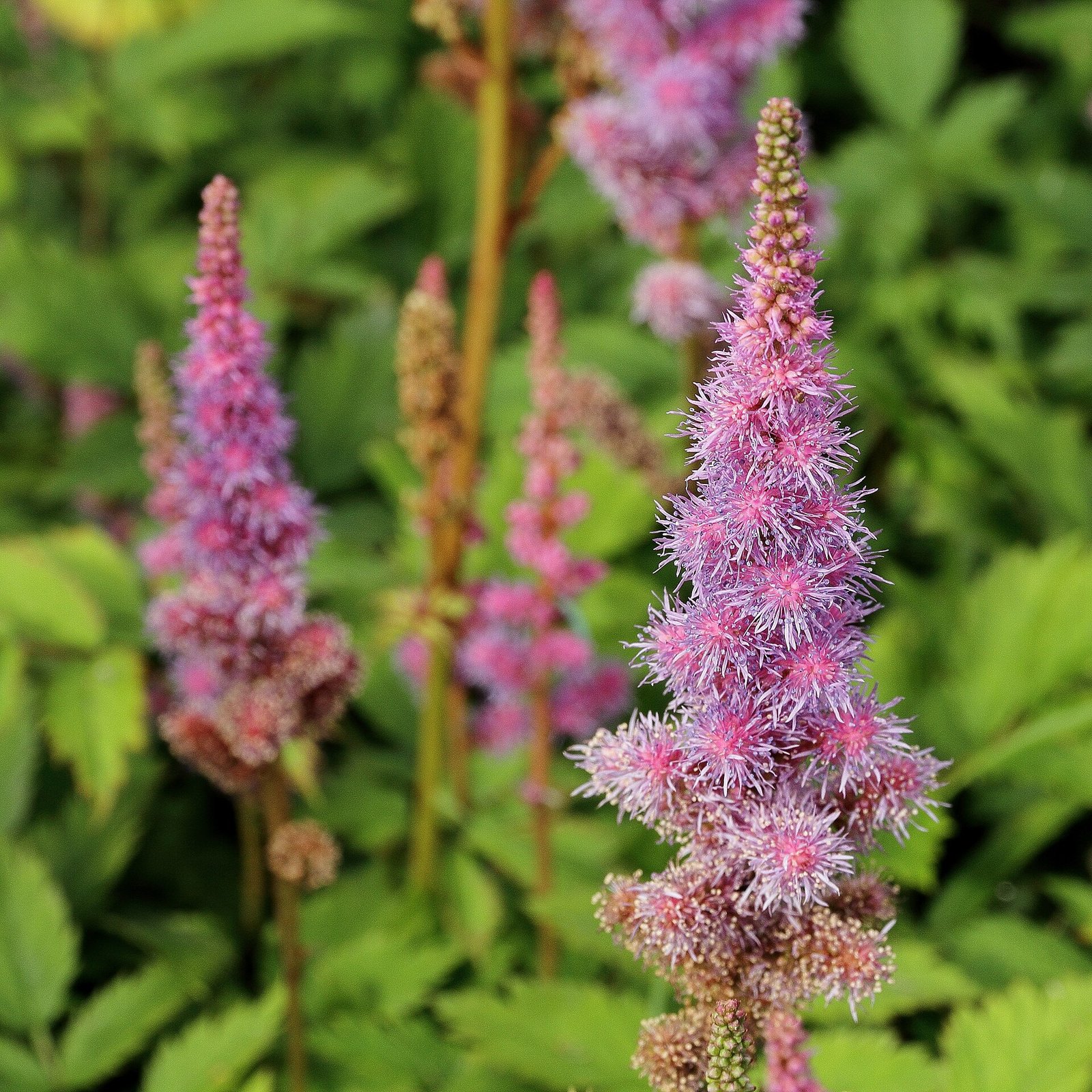
Astilbe
A shade-loving summer bloomer for spots too dark for the others.
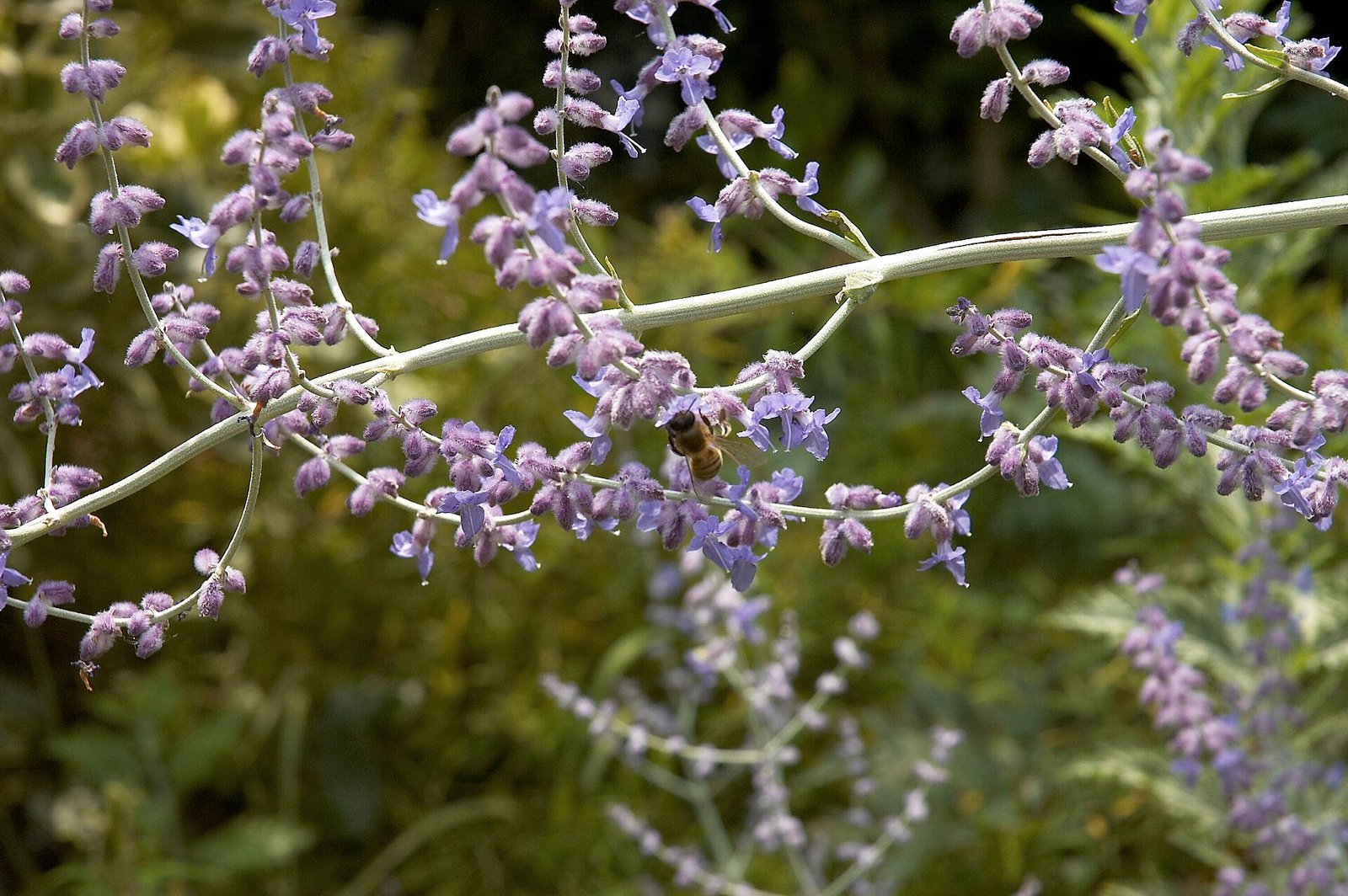
Russian Sage
Starts in midsummer, actually improves in heat.
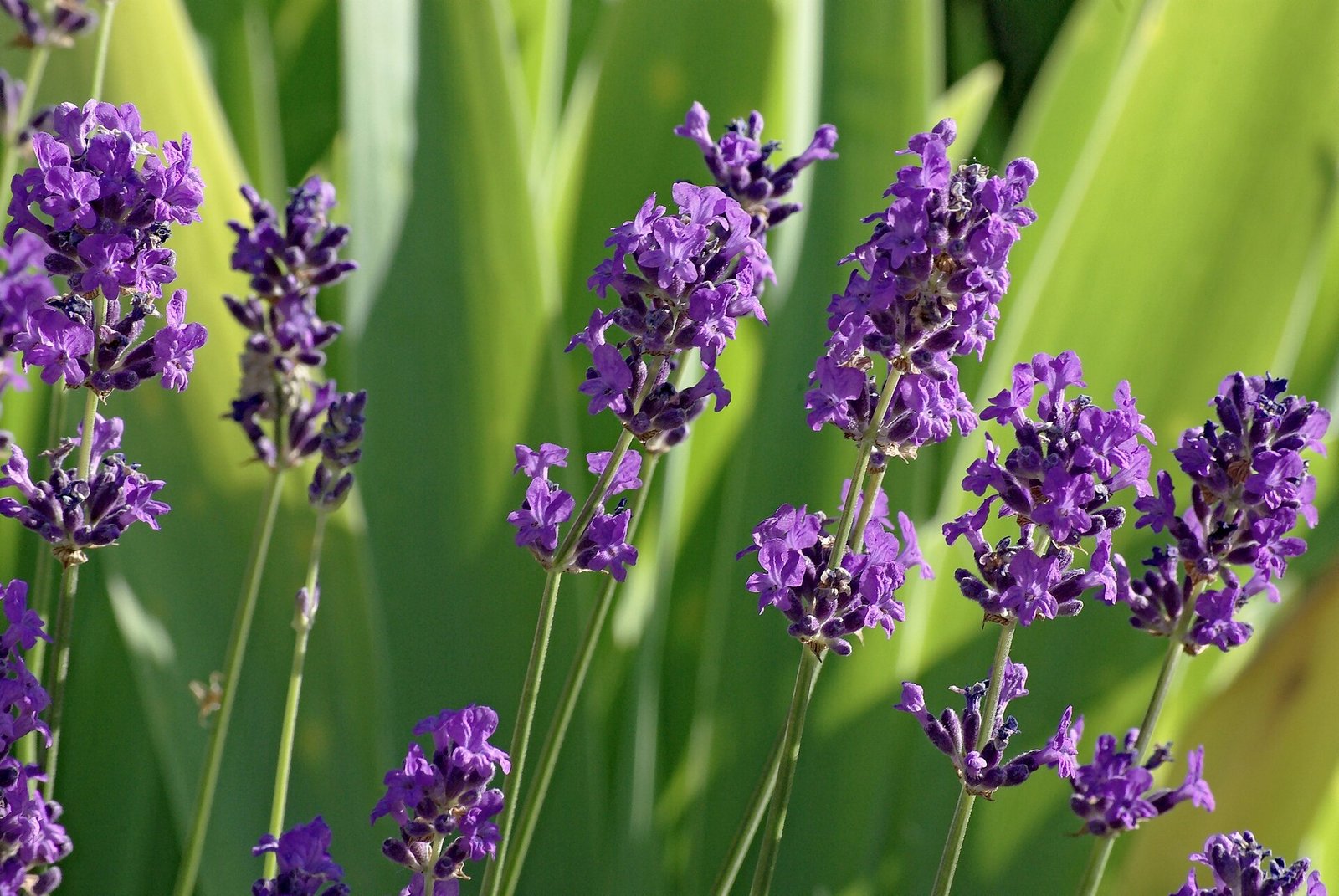
Lavender
Peak bloom is early-to-midsummer, best in a hot, dry spot.
Watering Through Summer Heat
The rule that holds for nearly every plant on this list: water deeply and infrequently rather than lightly every day. A deep soak once or twice a week encourages roots to grow down toward moisture, while frequent shallow watering keeps roots near the surface where they dry out faster and are more exposed to heat. The exception is astilbe, which genuinely wants consistently moist soil through summer and will crisp at the edges if allowed to dry out between waterings.
Morning watering is generally better than evening in summer — it gives foliage time to dry before nightfall, which reduces fungal disease risk, and it means less water is lost to daytime evaporation than an unshaded midday watering would lose.
Signs of Summer Heat Stress
Normal heat response
- Leaves wilting slightly in afternoon heat, recovering by evening
- Slightly fewer flowers during an extended heat wave
- Foliage curling on lavender and Russian sage — a normal moisture-conserving response
Signs it needs intervention
- Wilting that doesn't recover by morning after watering
- Crispy, brown leaf edges, especially on astilbe or hosta
- Sunken or yellowing lower leaves, which can indicate root stress from over- or under-watering
Keeping Bloom Going Through Late Summer
Deadheading coneflower and daylily through July and August keeps energy going into new buds instead of seed production. Black-eyed Susan and Russian sage don't need this to keep flowering, but a light trim on Russian sage in midsummer can encourage a tidier, bushier second flush.
Frequently Asked Questions
Why do my perennials look tired by late summer even though I'm watering?
Check whether you're watering deeply enough — frequent shallow watering keeps roots shallow and more vulnerable to heat, even if the top inch of soil looks moist. Also consider whether the plant is simply past its natural bloom window; not every perennial is meant to look fresh in late August.
Is it safe to plant new perennials in the middle of summer?
It's possible but harder on the plant than spring or fall planting, since new roots have to establish while fighting heat stress. If you must plant in summer, water more frequently than you would in cooler weather and consider temporary afternoon shade cloth for the first couple of weeks.