Perennial Flowers for Pots and Containers
A perennial in a pot faces a harder winter than the same plant in the ground, because container soil freezes faster and colder than garden soil that's insulated by the surrounding earth. That single fact drives most of the decisions below.
Why Container-Grown Perennials Need a Different Plan
The general rule of thumb: treat a potted perennial as though it's hardy to roughly one to two zones colder than its label, because roots in an above-ground container are exposed to cold from all sides instead of being buried and insulated. A daylily rated hardy to zone 3 will likely be fine in an unprotected pot through a zone 5 winter, but the same plant in a zone 3 or 4 pot may need extra protection or shouldn't be left outside unprotected all winter.
Perennials That Do Well in Containers
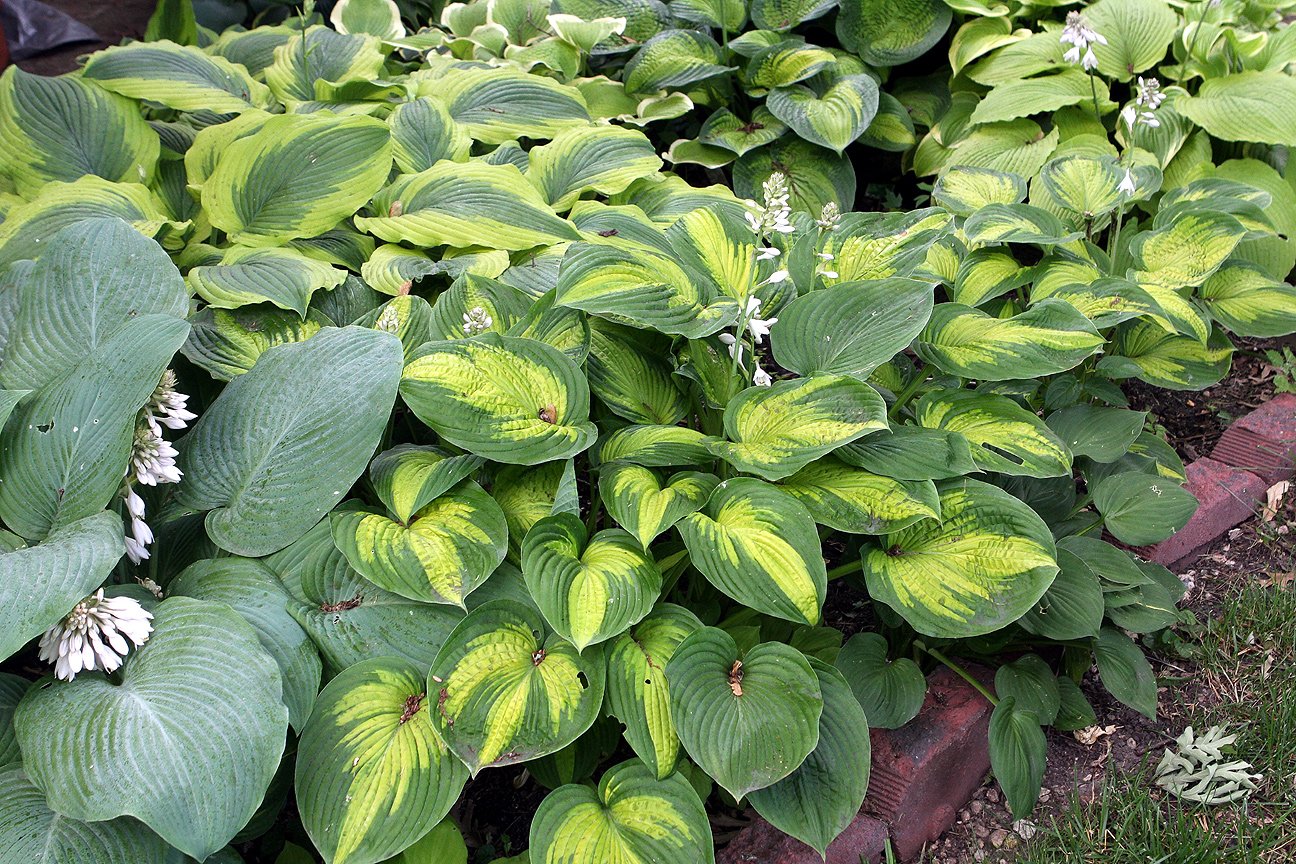
Hosta
Compact varieties are especially well suited to shaded patio containers.
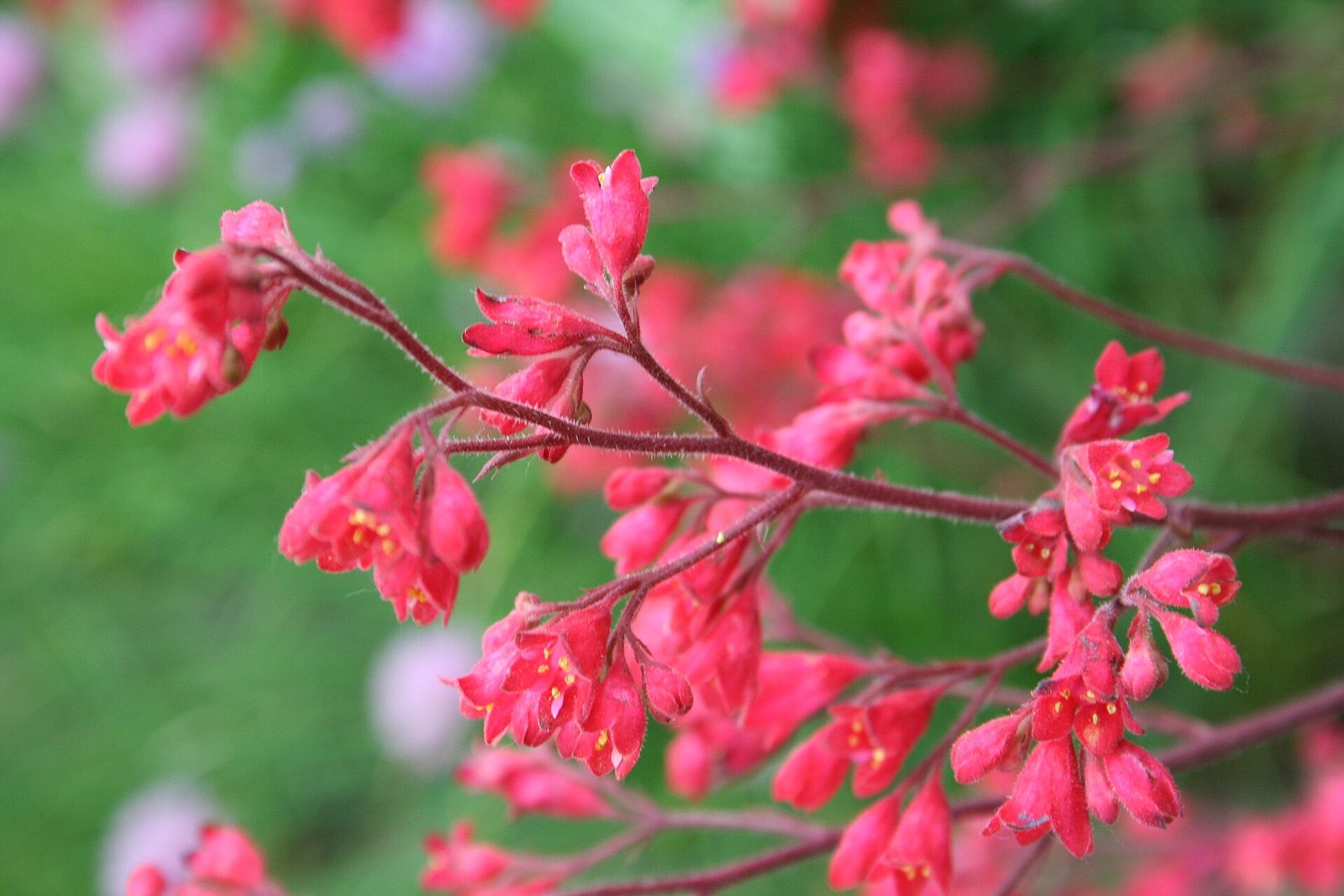
Coral Bells
Shallow, compact roots and colorful foliage make it a natural container plant.
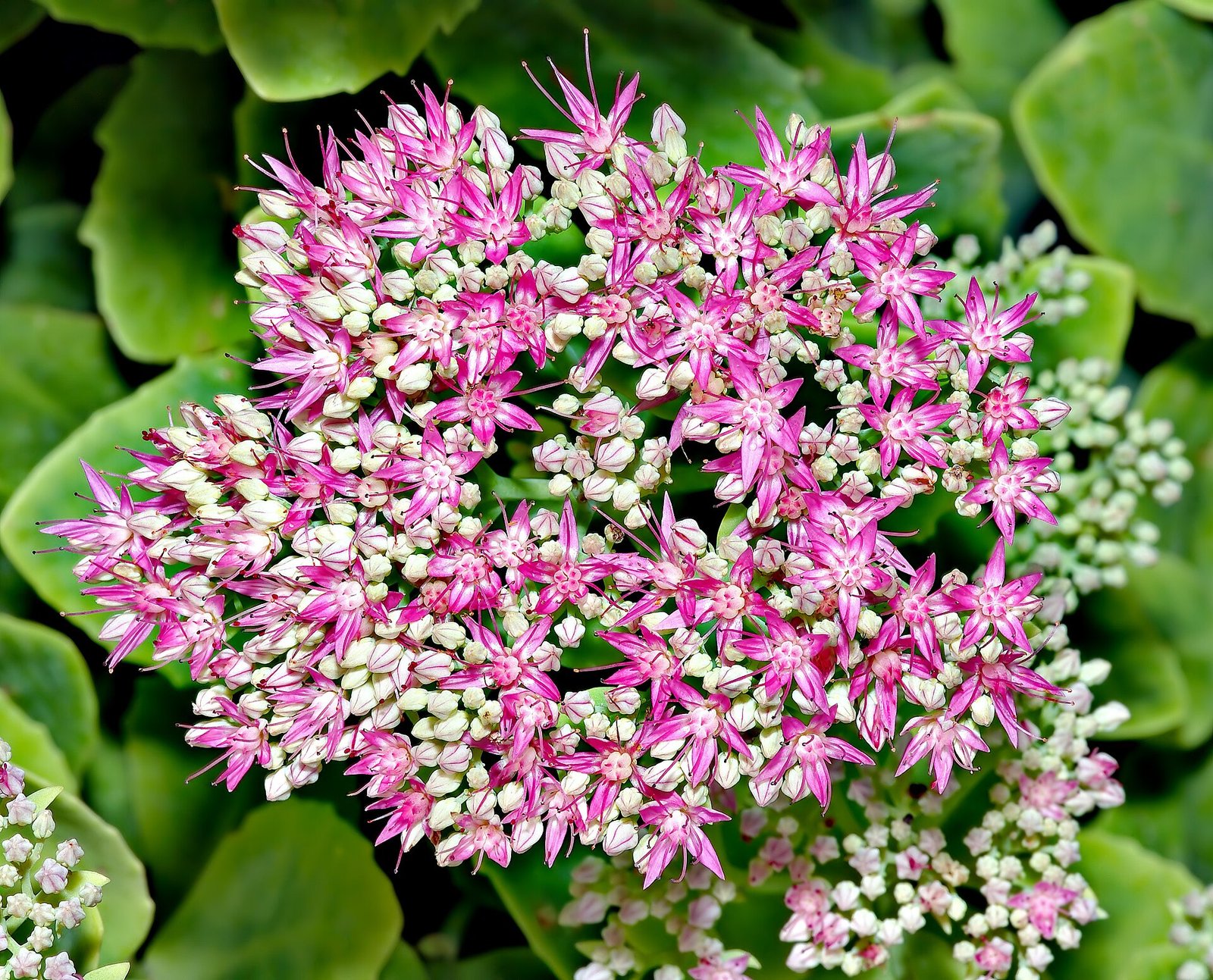
Sedum
Tolerates the faster drying-out that containers are prone to.
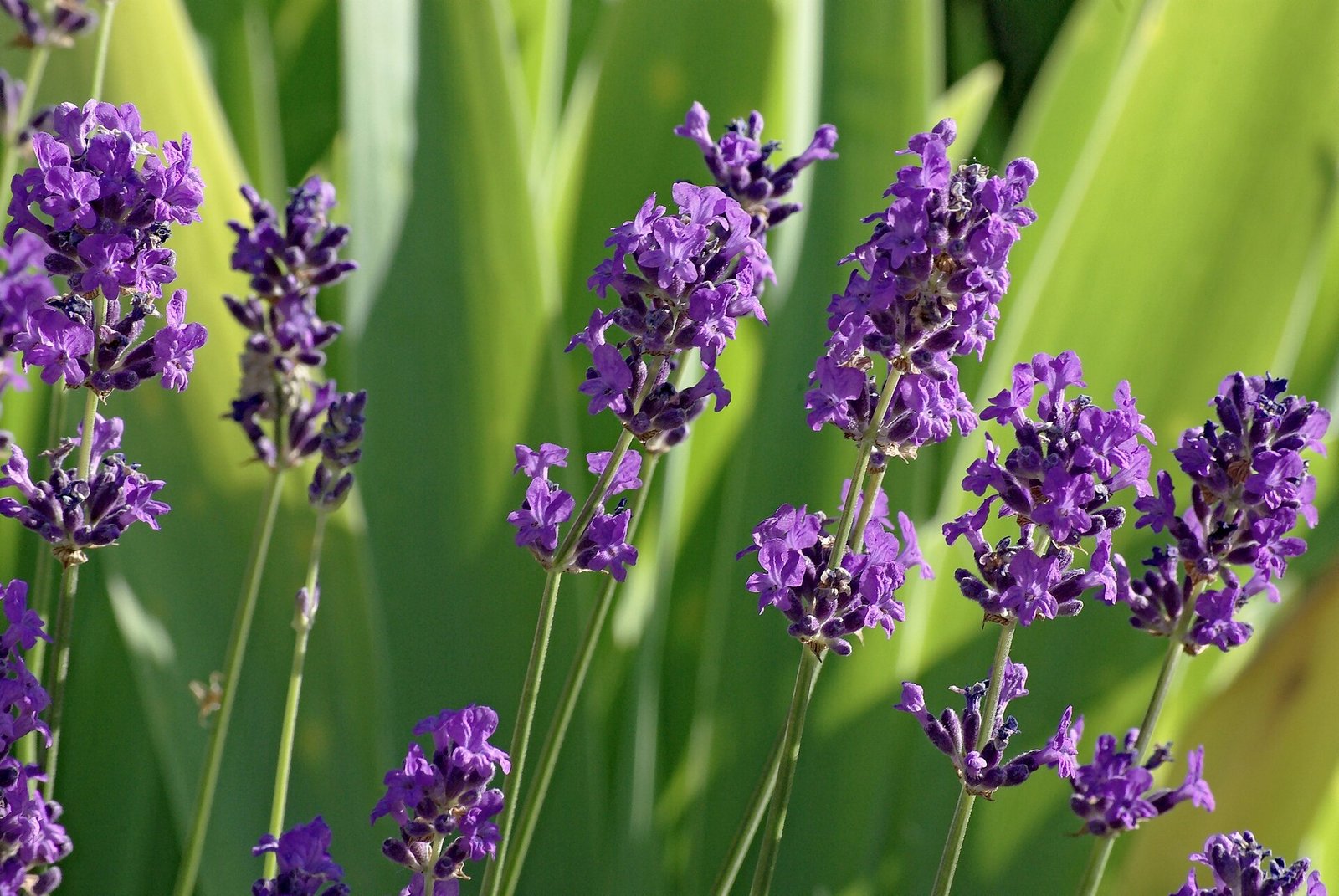
Lavender
Needs a container with excellent drainage; struggles if the pot holds water.
Daylily also does reasonably well in a large container, though it's a vigorous grower and will need dividing sooner than it would in the ground. Peony and Russian sage are generally poor container candidates — peony's deep taproot resents confinement, and Russian sage's size and root spread outgrow most pots within a couple of seasons.
Potting Mix, Drainage and Watering
Use a well-draining potting mix rather than garden soil, which compacts in a container and drains poorly. Every pot needs a drainage hole — without one, perennial roots sit in water and rot regardless of how drought tolerant the species is in the ground. Container plants dry out faster than the same plant in a garden bed because there's less soil volume and more exposed surface area, so expect to water more often, often daily in hot weather, and check soil moisture rather than watering on a fixed schedule.
Overwintering Potted Perennials
Three realistic options, depending on climate and space: leave the pot outside if the plant is rated hardy to at least one zone colder than yours and group pots together against a wall for extra insulation; sink the whole pot into the ground for winter and dig it back out in spring, which gives it the same soil insulation an in-ground plant gets; or move the pot into an unheated garage or shed where it stays cold enough to keep the plant dormant but is shielded from hard freezes and drying wind. Whichever option you choose, potted perennials still need occasional water over winter — the soil shouldn't be allowed to dry out completely, even while the plant is dormant.
Frequently Asked Questions
Can perennial flowers survive winter outdoors in a pot?
Sometimes, if the plant is rated hardy for a zone or two colder than where you live and the pot is protected from wind and extreme cold — grouped against a house wall, wrapped, or mulched heavily. In cold climates, moving the pot to an unheated garage or sinking it into the ground is more reliable.
Do potted perennials need fertilizer?
More than in-ground plants, yes. Regular watering in containers washes nutrients out of the soil faster than in a garden bed, so a diluted liquid fertilizer every few weeks during the growing season helps container perennials perform as well as their in-ground counterparts.