Perennial Flowers for Shade
Shade isn't one condition. The dry shade under a mature maple, the dappled light under a high tree canopy, and the deep, near-total shade on the north side of a house each call for different plants — and mixing them up is the most common reason a "shade garden" fails.
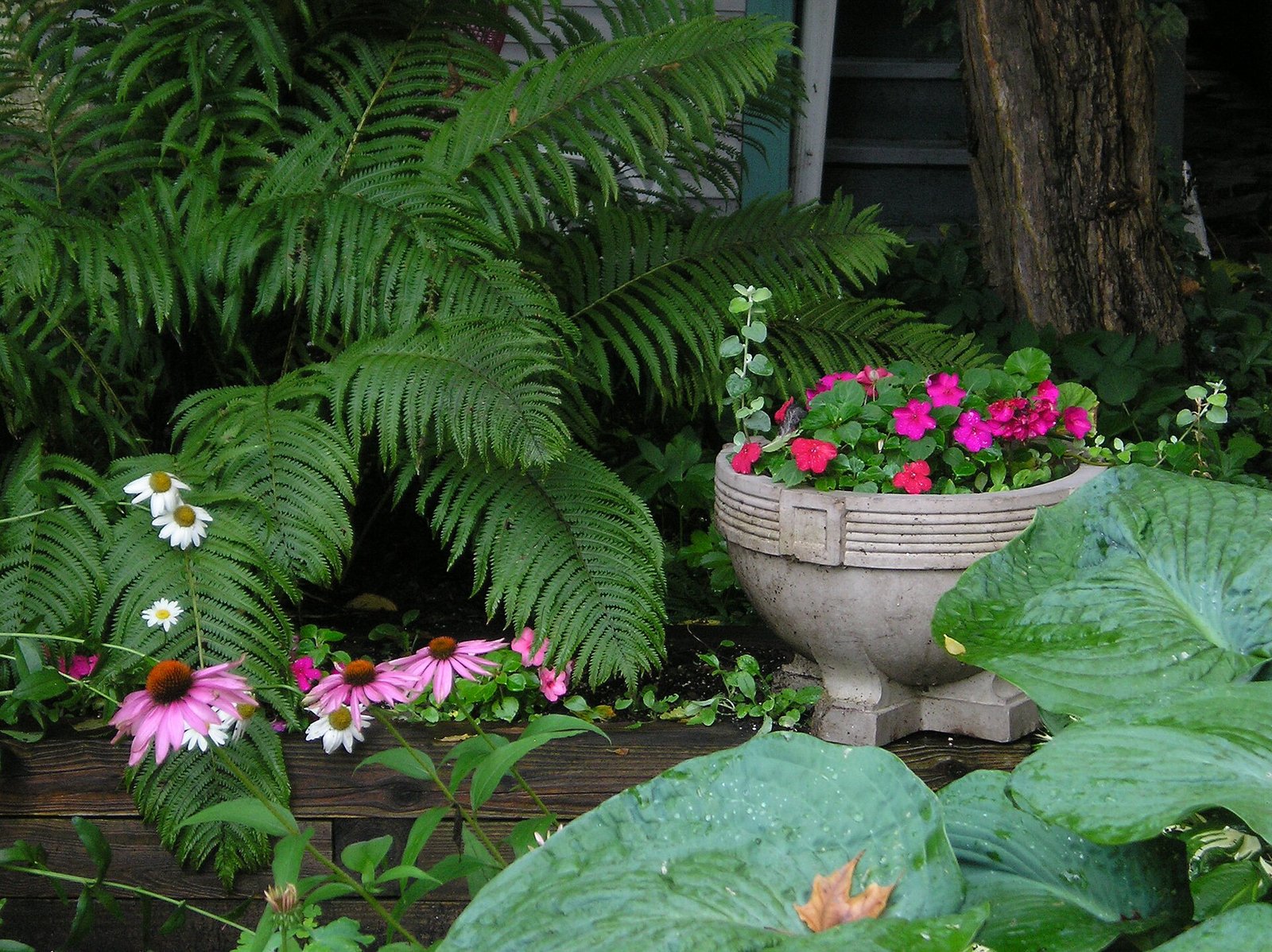
Types of Shade, and Why the Distinction Matters
Part shade generally means three to six hours of direct sun, often morning sun with afternoon shade. Full shade gets less than three hours of direct sun but still receives decent ambient light. Dense or deep shade — think under a spruce canopy or beneath a deck — gets almost no direct sun and comparatively little reflected light either. A plant tagged "part shade" will usually sulk, not bloom, and eventually decline in dense shade, while a true shade lover can scorch or bleach out in too much sun.
The other variable gardeners underestimate is moisture. Shade under large trees is very often dry shade, because tree roots pull most of the available water before it reaches understory plants. Shade next to a house foundation, a fence, or in a low spot tends to stay moist. Astilbe, for instance, wants consistently moist soil and will crisp up in dry shade under a maple, while hosta and coral bells tolerate a wider moisture range.
Reliable Shade Perennials
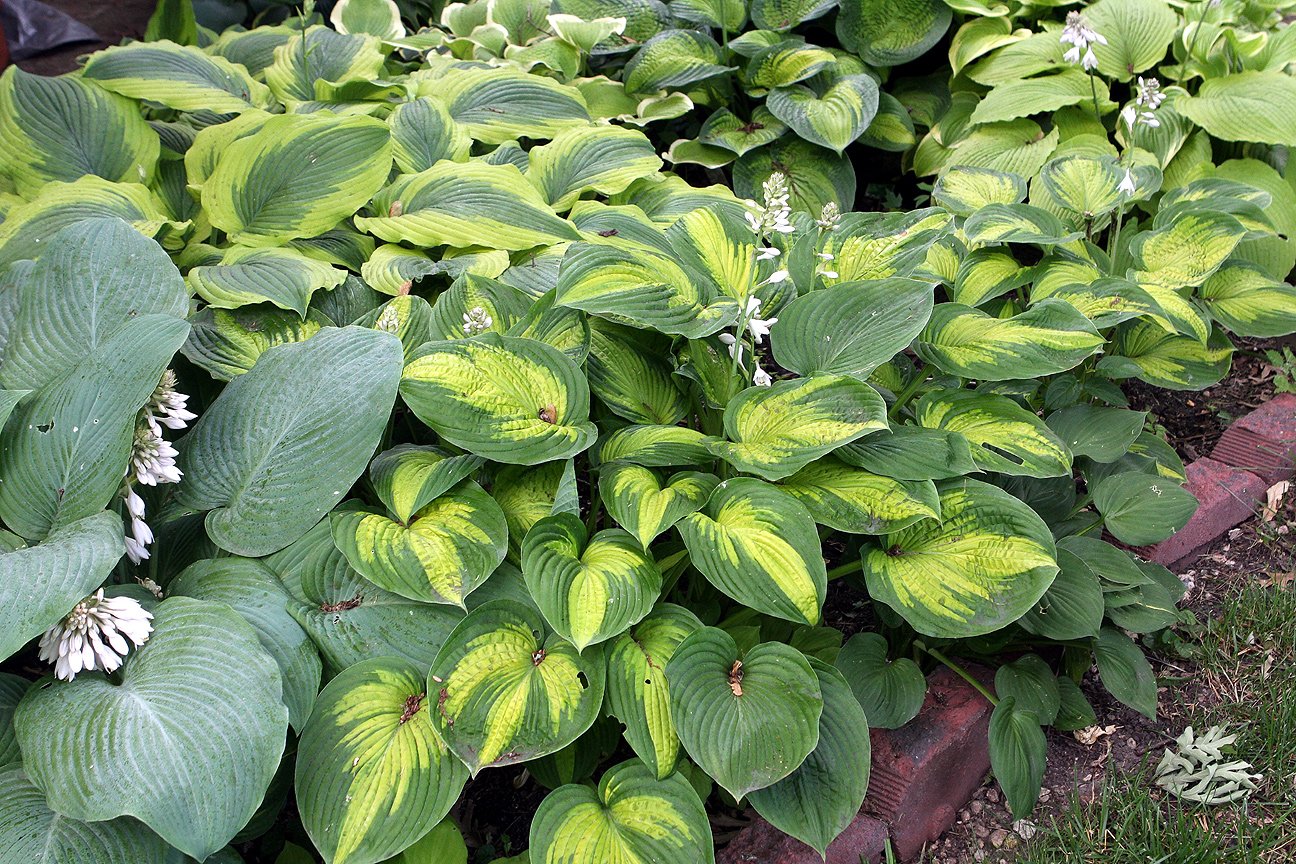
Hosta
Grown mainly for bold foliage; tolerant of a wide range of shade.
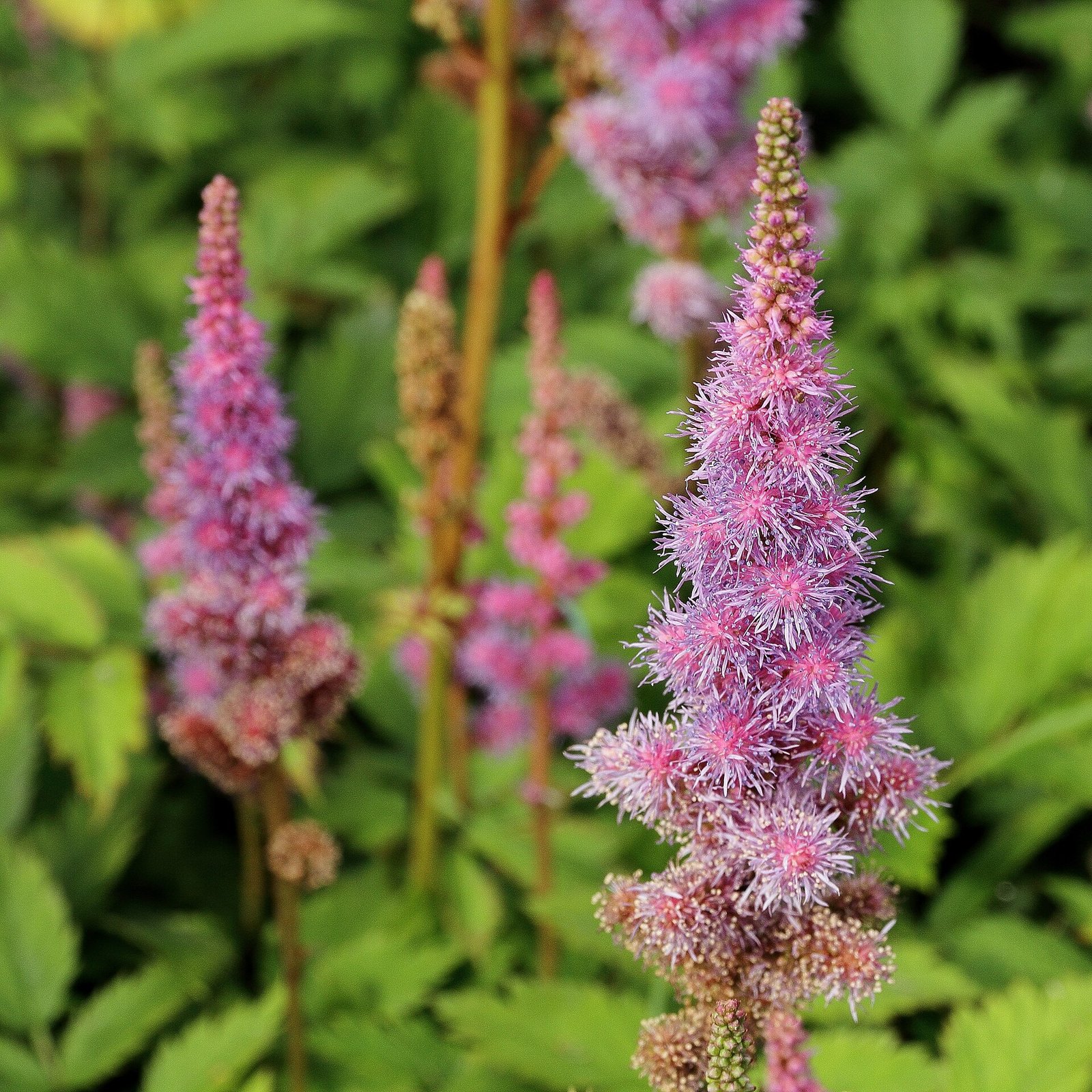
Astilbe
Feathery flower plumes; needs consistently moist soil.
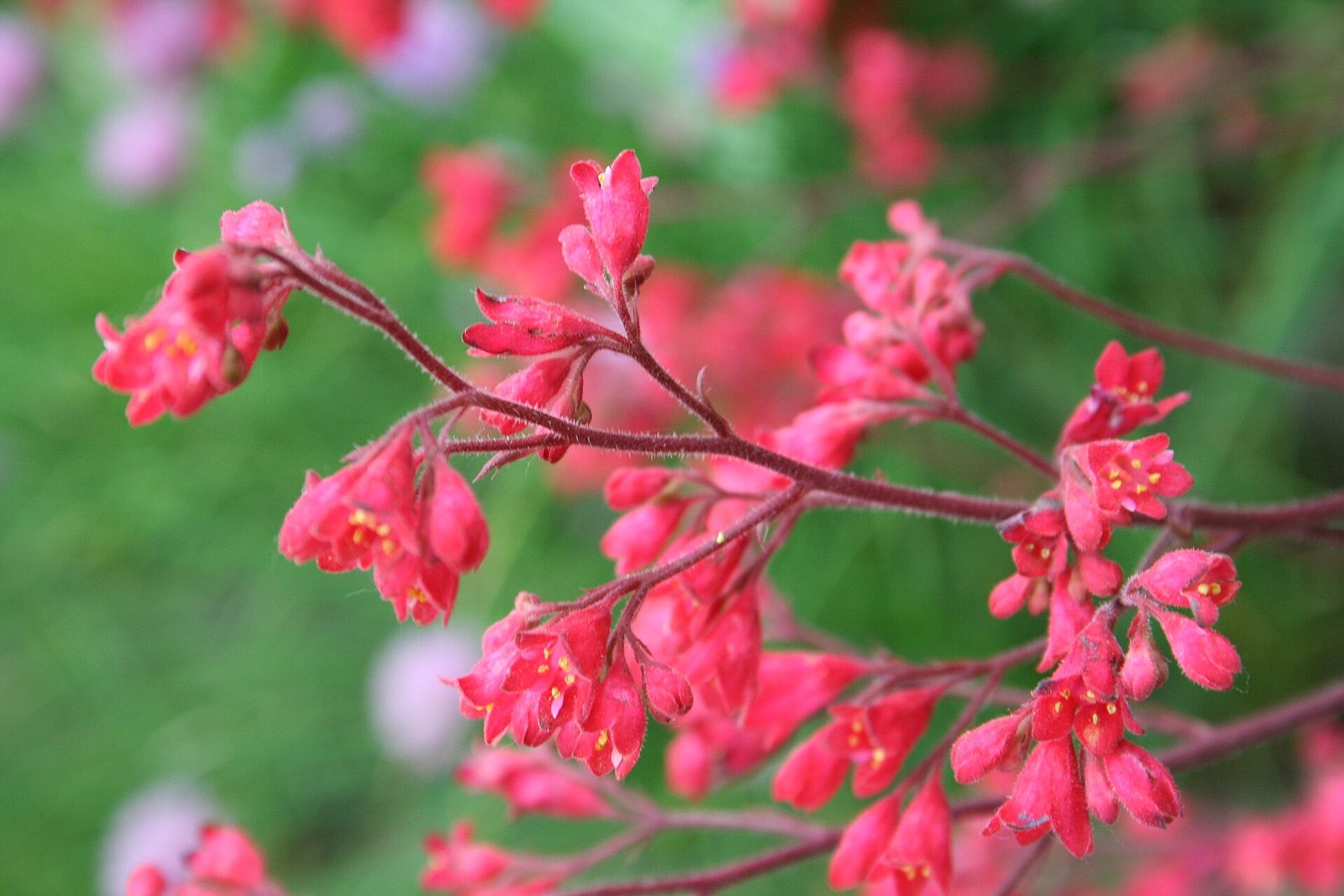
Coral Bells
Colorful foliage year-round interest, tolerates drier shade than astilbe.
Beyond the flower profiles on this site, ferns, bleeding heart, lungwort and foamflower are also standard shade-garden choices worth researching if hosta, astilbe and coral bells don't cover your specific site.
Common Shade-Garden Mistakes
What goes wrong
- Planting sun-lovers like coneflower or lavender under trees, where they get leggy and stop flowering
- Ignoring root competition — planting close to a tree trunk where roots outcompete new perennials for water
- Assuming all "shade plants" want the same soil moisture
- Expecting heavy flowering; most shade perennials bloom modestly and are chosen mainly for foliage
What works
- Amending soil with compost to help it hold moisture where trees compete for water
- Grouping plants by both light level and moisture need, not light alone
- Leaning on foliage color and texture — variegated hosta, purple coral bells — for visual interest between bloom windows
- Watering new shade plantings through their first season even though the site looks cool and damp
Building a Layered Shade Bed
A dependable shade combination pairs a large-leaved anchor plant like hosta with something airy and vertical like astilbe, and something with season-long foliage color like coral bells at the front edge. Because most shade perennials aren't chosen for months of continuous bloom, foliage contrast is doing more of the visual work than it does in a sunny border — mix leaf shapes and colors rather than relying on flowers alone.
Frequently Asked Questions
Will any perennial flower actually bloom well in deep, dense shade?
Not heavily. Even shade-tolerant perennials like hosta bloom more sparsely in dense shade than in part shade or dappled light. If a spot gets almost no direct or reflected light, focus on foliage plants and accept modest flowering rather than fighting for a plant that wants more light than the site offers.
Why do my shade perennials dry out even though the spot never gets direct sun?
This is almost always tree root competition. Shade doesn't mean moist — a bed under a mature tree can be drier than an open sunny bed because the tree's roots absorb water before it reaches your plants. Water more often than the shade would suggest, or improve the soil's water-holding capacity with compost.