Peony
Paeonia lactiflora produces some of the largest, most fragrant flowers of any hardy perennial — a mature plant can carry dozens of blooms the size of a fist. It's also one of the longest-lived: a well-sited peony can outlive the gardener who planted it, often blooming for 50 years or more from the same root.
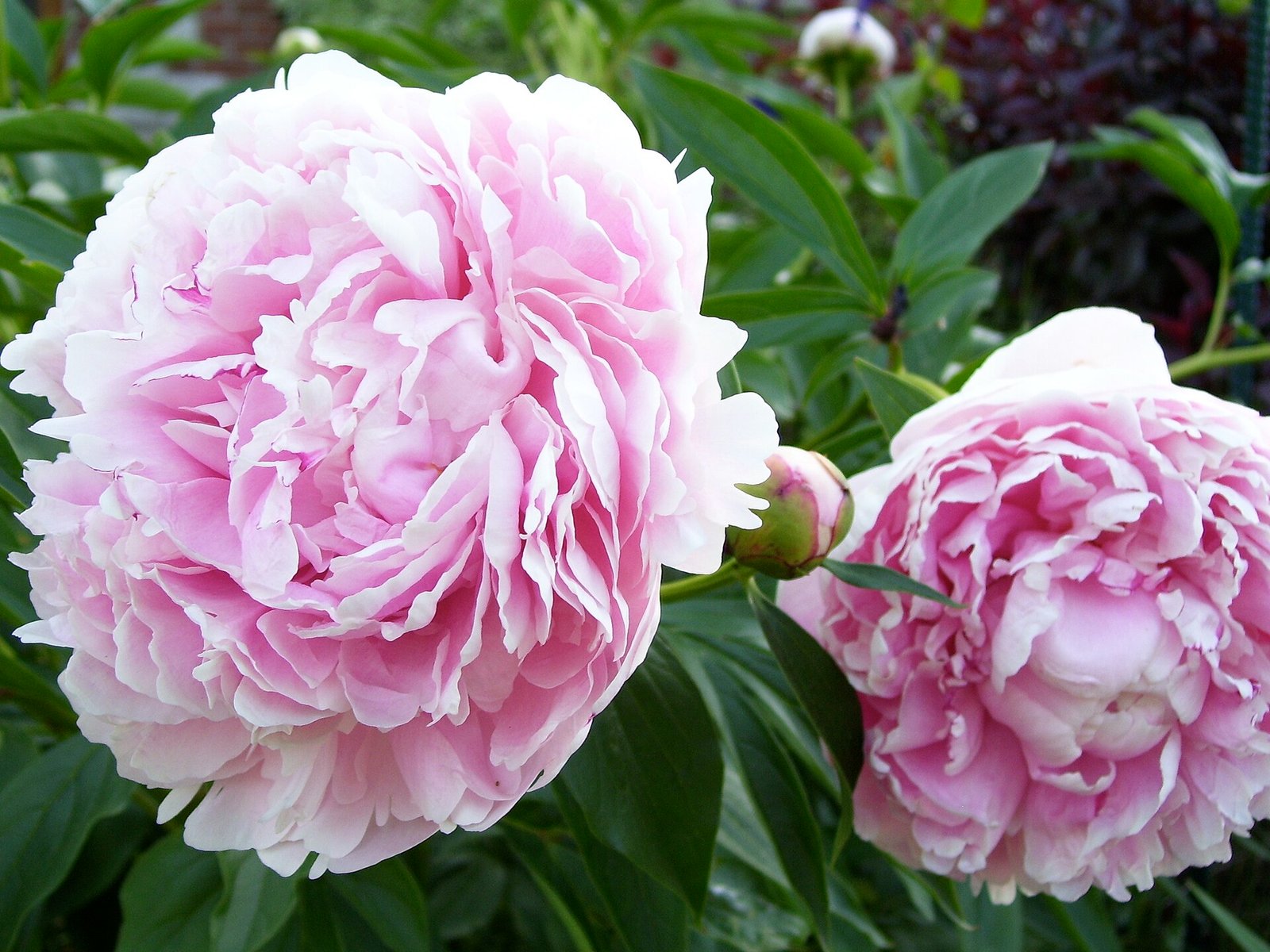
| Scientific name | Paeonia lactiflora (Chinese/garden peony) |
|---|---|
| USDA hardiness zones | 3–8 |
| Height | 2–3 ft |
| Width | 2–3 ft |
| Bloom period | Late spring to early summer |
| Flower color | Pink, white, red, coral, yellow-toned cultivars |
| Sun requirements | Full sun (6+ hours) for best bloom |
| Soil requirements | Fertile, well-drained; tolerates average soil |
| Water requirements | Moderate |
| Maintenance level | Low once established; may need staking |
Planting Peony
Planting depth is the single most important detail. The "eyes" — the pink or reddish buds on the root — should sit no more than 1 to 2 inches below the soil surface. Planted deeper, a peony often grows healthy foliage for years but produces few or no flowers, and this is the most common reason a new peony disappoints. Plant in fall or early spring in full sun, in soil that drains well but holds some moisture; peony doesn't like to sit in standing water. Space plants 3 feet apart, since a mature clump gets wide and doesn't like to be crowded or transplanted often.
Watering
Water regularly during the first two seasons while the root system establishes. Mature peonies tolerate short dry spells but perform best with consistent moisture, especially while forming buds in mid-spring.
Fertilizing
A light application of a balanced or low-nitrogen fertilizer in early spring, when new red shoots emerge, supports bloom without overdoing leafy growth. Avoid heavy nitrogen, which pushes foliage at the expense of flowers.
Staking
Many peony varieties, especially double-flowered types with heavy blooms, flop over in rain or wind without support. A peony ring or hoop placed over the plant in early spring, before growth fills in, is the standard solution — put it in place too late and you'll be fighting to close it around already-sprawling stems.
Pruning
Deadhead spent flowers to tidy the plant, though it isn't required for future bloom. Cut foliage back to the ground in fall after it's died back or been hit by frost — leaving diseased foliage over winter can carry fungal spores into the next season.
Propagation
Division in early fall is the standard method, cutting the root into sections with three to five eyes each. Peonies resent being disturbed and can take two to three years to bloom well again after division, so divide only when necessary rather than routinely.
Common Pests and Diseases
The ants often seen on peony buds are attracted to sugary nectar the buds secrete and do no harm to the plant — they don't need to be removed before cutting flowers, just shaken off or rinsed away. The more serious issue is botrytis blight, a fungal disease that causes buds to blacken and rot before opening, especially in cool, wet spring weather; improving air circulation and removing affected buds promptly helps control it.
Winter Care
Peonies actually need a cold winter to bloom well — a period of winter chill is part of what triggers flowering the following spring, which is why peony struggles in warm-winter zones 9 and above. No special winter protection is needed within its hardiness range.
Companion Plants
Its early bloom pairs well with later-emerging perennials that can fill space as peony foliage matters less visually after flowering — daylily and coneflower both pick up the display through summer.
Garden Uses and Benefits
A classic cut flower and a long-lived anchor plant for a perennial border. Its long lifespan makes it a common choice for gardeners planting a bed meant to last decades rather than a few years.
Potential Problems
- Failure to bloom, almost always from planting too deep or too much shade
- Flopping stems on heavy-flowered varieties without staking
- Botrytis blight in cool, wet spring conditions
- Slow to rebloom after division — expect two to three years
Frequently Asked Questions
Why won't my peony bloom even though it looks healthy?
Planting depth is the most common cause — if the eyes are buried more than about 2 inches deep, the plant may grow foliage for years without flowering. Other causes include insufficient sun (less than six hours) and a plant that's still too young or was recently divided or transplanted.
Do I need to remove the ants from peony buds?
No. The ants are feeding on nectar the buds produce and don't damage the plant or the flowers. They typically leave on their own once the flower opens; a quick rinse or gentle shake removes them if you're bringing cut flowers indoors.